Navimumbaihiims Mumbai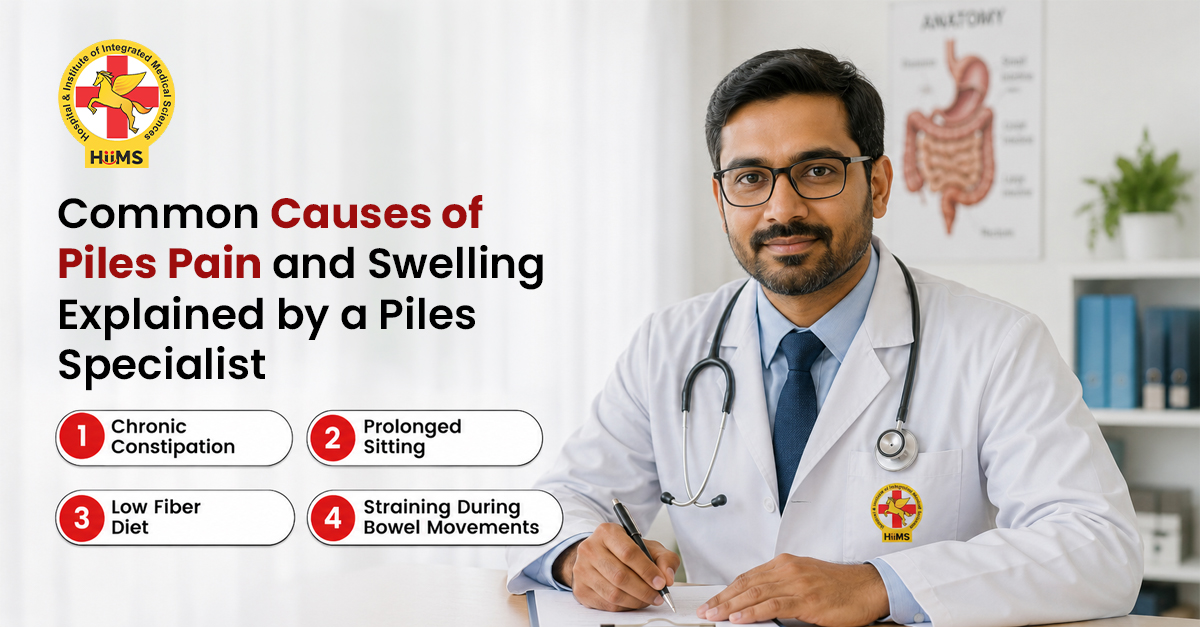
Piles are a common health concern, yet many people hesitate to discuss them openly. What may begin as mild discomfort can gradually develop into persistent pain, swelling, itching, or irritation that interferes with everyday life. Unfortunately, many individuals ignore these symptoms, hoping they will improve on their own.
A Piles Specialist often encounters patients who have been struggling with symptoms for a long time before seeking guidance. Understanding the factors that contribute to piles can help individuals take timely steps to support their digestive health and overall comfort. This article explores the common causes of piles-related discomfort and highlights lifestyle habits that may help reduce symptoms naturally.
Understanding Piles
Piles, commonly known as hemorrhoids, are swollen veins that develop in the lower rectum or around the anal area. They may occur internally within the rectum or externally around the anus.
The symptoms experienced can vary from person to person. Some individuals notice only mild irritation, while others may experience pain, swelling, itching, or bleeding during bowel movements. The severity of symptoms is often influenced by lifestyle habits and digestive health.
Why Do Piles Become Painful and Swollen?
Pain and swelling usually develop when excessive pressure is placed on the veins in the rectal region. Over time, this pressure can cause the veins to enlarge and become irritated. As inflammation increases, symptoms often become more noticeable and uncomfortable.
According to a Piles Specialist, several common daily habits can contribute to this pressure, increasing the likelihood of developing piles or worsening existing symptoms.
Common Factors That Contribute to Piles
Constipation and Straining
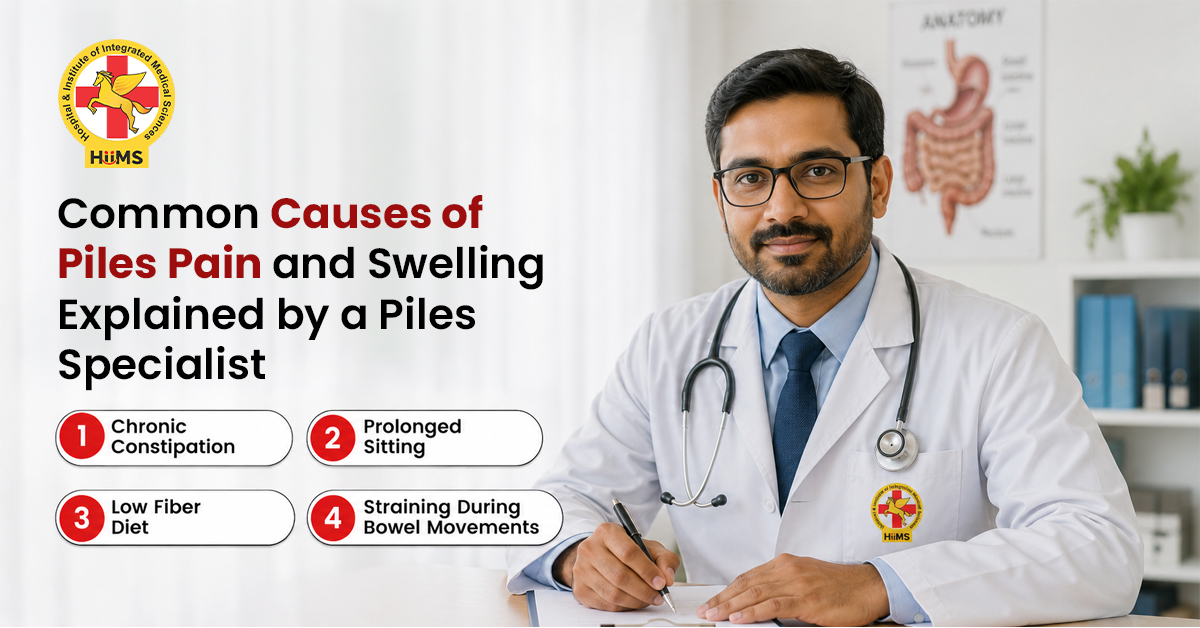
One of the leading causes of piles is chronic constipation. Hard stools often make bowel movements difficult, causing people to strain excessively.
Frequent straining places stress on the rectal veins, which can eventually result in swelling, irritation, and discomfort.
Insufficient Fiber Intake
Diet plays a major role in digestive health. A lack of fiber-rich foods may lead to harder stools and irregular bowel movements.
Including fruits, vegetables, whole grains, and legumes in the diet may help support smoother digestion and reduce strain during bowel movements.
Prolonged Sitting
Modern lifestyles often involve extended periods of sitting, whether at work, while driving, or during leisure activities. Sitting for long hours may increase pressure around the lower rectal area and contribute to piles symptoms.
Taking regular movement breaks throughout the day may help reduce this pressure.
Excess Body Weight
Being overweight can place additional strain on the veins in the lower body, including those around the rectum. This increased pressure may raise the likelihood of developing piles and experiencing recurring discomfort.
Pregnancy-Related Changes
Pregnancy can sometimes contribute to piles because of increased pressure in the pelvic region and hormonal changes. Many women experience piles symptoms during pregnancy, although symptoms often improve after childbirth.
Frequent Heavy Lifting
Regularly lifting heavy objects can increase abdominal pressure, which may affect rectal veins over time and contribute to swelling and discomfort.
Symptoms That Deserve Attention
While some piles symptoms may appear mild initially, certain signs should not be ignored:
- Pain during bowel movements
- Swelling around the anal area
- Persistent itching or irritation
- Bleeding after passing stool
- A sensation of incomplete bowel emptying
If these symptoms continue or become more severe, seeking guidance from a Piles Specialist may help identify contributing factors and appropriate management strategies.
Healthy Habits That May Support Relief
Focus on Fiber-Rich Foods
A balanced diet containing fruits, vegetables, oats, whole grains, and legumes can help support digestive health and encourage softer stools.
Drink Enough Water
Proper hydration plays an important role in maintaining healthy digestion. Drinking sufficient water throughout the day may help support regular bowel movements.
Avoid Excessive Straining
Responding to natural bowel urges and avoiding prolonged sitting on the toilet may help reduce unnecessary pressure on rectal veins.
Stay Physically Active
Regular movement and exercise can help support healthy digestion and bowel regularity. Activities such as walking, stretching, and light exercise may be beneficial.
Follow a Consistent Routine
Maintaining regular meal times, healthy sleep patterns, and consistent hydration habits can support digestive balance and overall wellness.
Why Digestive Health Matters
Many individuals focus only on the symptoms of piles, but digestive health is often a key factor in long-term comfort. Constipation, irregular eating habits, inadequate hydration, and a sedentary lifestyle can all contribute to recurring issues.
A Piles Specialist may encourage individuals to improve overall digestive habits rather than focusing solely on symptom relief.
When Is It Time to Seek Guidance?
Although mild symptoms may improve with healthy lifestyle adjustments, ongoing pain, swelling, itching, or bleeding should not be overlooked.
Many individuals begin searching for a “Piles Specialist” or a “piles hospital near me” once symptoms start affecting daily activities. Seeking guidance early may help individuals better understand their condition and make informed decisions regarding their health.
Conclusion
Piles discomfort is often linked to everyday factors such as constipation, poor dietary habits, prolonged sitting, obesity, pregnancy, and excessive straining. Understanding these contributing factors can help individuals take practical steps toward supporting digestive health and reducing discomfort.
Simple measures such as increasing fiber intake, staying hydrated, maintaining physical activity, and following a balanced daily routine may contribute to improved bowel health and overall well-being.
If you are looking for advice, we at Jeena Sikho HiiMS provide VOPD consultation, or you can book an appointment.


 Kiran Aggarwal