Thew Dental
As responsible pet owners, ensuring the health and well-being of our dogs is always a top priority. One critical aspect of canine healthcare is vaccination. Among the range of vaccines available, the **corona vaccine for dogs** has been a topic of interest and discussion among veterinarians and dog owners alike.
**Understanding Canine Coronavirus**
Canine coronavirus (CCoV) is a contagious virus that primarily affects a dog’s gastrointestinal tract. It is different from the human COVID-19 virus but can cause diarrhea, vomiting, and decreased appetite in infected dogs. While most cases are mild and self-limiting, puppies and older dogs are at a higher risk of severe complications. Therefore, preventive measures such as vaccination are crucial.
**What Is the Corona Vaccine for Dogs?**
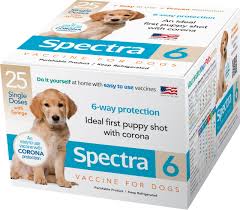
The corona vaccine for dogs is designed to reduce the severity of infection caused by CCoV. Unlike core vaccines (such as rabies and distemper), the corona vaccine is often considered **non-core**, meaning it is recommended based on the dog’s risk factors rather than for all dogs universally. Dogs in kennels, shelters, or those frequently in contact with other dogs are prime candidates for this vaccine.
**Effectiveness of the Vaccine**
It is important to note that the corona vaccine does not always prevent infection entirely. Instead, it aims to lessen the severity of symptoms and reduce the risk of complications. Veterinarians often recommend combining the corona vaccine with other essential vaccines to ensure comprehensive protection for your dog.
**Vaccination Schedule**
Puppies can receive the corona vaccine starting as early as 6–8 weeks of age, with a booster recommended 2–4 weeks later. Adult dogs may also receive the vaccine if they are at risk. Your veterinarian will assess your dog’s lifestyle and exposure to determine whether this vaccine is necessary.
**Potential Side Effects**
Like all vaccines, the corona vaccine for dogs can have mild side effects. Common reactions include temporary lethargy, mild fever, or soreness at the injection site. Severe reactions are rare but may include allergic responses, which require immediate veterinary attention. Monitoring your dog after vaccination is essential to ensure their safety and well-being.
**Expert Recommendations**
Veterinarians emphasize that vaccination should be tailored to the individual dog’s needs. Discussing your dog’s lifestyle, age, and health history is essential before deciding on the corona vaccine. Regular veterinary check-ups and adherence to a vaccination schedule are the best ways to keep your dog protected from preventable diseases.
**Where to Learn More**
For dog owners seeking detailed guidance on canine vaccinations, resources like **puppadogs.com** offer expert advice on various vaccines, including the corona vaccine. These platforms provide insights into vaccine benefits, risks, and schedules to help you make informed decisions for your furry friend.
**Conclusion**
The **corona vaccine for dogs** is a preventive tool that can help reduce the impact of canine coronavirus, especially for dogs at higher risk of exposure. While not all dogs require it, understanding its benefits and consulting with a veterinarian can ensure your dog remains healthy and happy. Combined with a balanced diet, regular exercise, and routine veterinary care, vaccination is an essential step in responsible pet ownership.



 filox9 filox9