Sahu
Sahu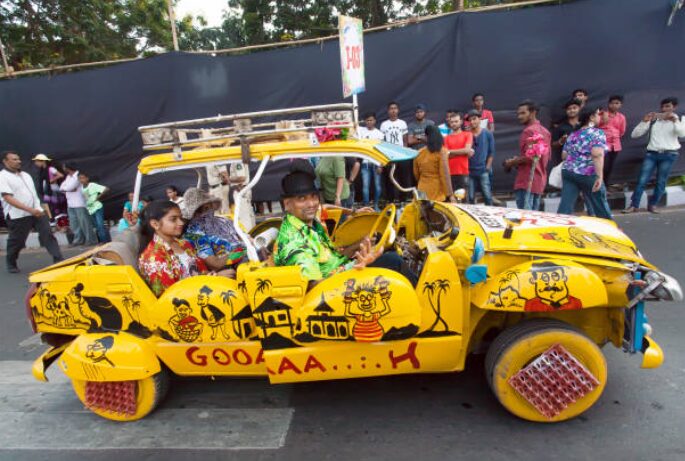
The Goa Carnival is one of the most vibrant and colourful Goa festivals, attracting visitors from across the world. Known for its energetic parades, lively music, street dances, floats, and food stalls, this grand event transforms the entire state into a massive party. Among every famous festival of Goa, the Carnival stands out for its unique blend of Portuguese traditions and Indian culture. Let’s take a closer look at its fascinating history, cultural importance, and how it has evolved into a modern celebration loved by tourists and locals alike.
History of the Goa Carnival
The Goa Carnival dates back to the 18th century, introduced during the Portuguese colonial era. Traditionally, Carnival was celebrated as a pre-Lent festival, a time to indulge in feasting, dancing, and merrymaking before the fasting period began. What made it special was the involvement of the entire community—villagers, musicians, dancers, and performers.
Though deeply rooted in Christian traditions, the Carnival today welcomes people of all religions, backgrounds, and cultures. Over the decades, it has evolved from a local community celebration to one of the most famous festivals of Goa, showcasing its rich cultural identity and warm, welcoming spirit.
Cultural Significance of the Carnival
The Carnival is more than just a parade—it is one of the most important cultural events in Goa. It reflects the history, lifestyle, and multicultural influences that shape the state. The colourful floats tell stories of Goan folklore, daily life, and sometimes even social issues. Performers dressed in vibrant costumes bring alive the joyous spirit of Goa’s diverse communities.
This event is also a reminder of Goa’s Portuguese legacy. Traditional music forms like Mando and Dulpod, energetic street dancing, and the presence of “King Momo,” the symbolic ruler of festivities, highlight the blend of local and colonial traditions.
How the Carnival Is Celebrated Today
In modern times, the Goa Carnival has become grander, livelier, and more inclusive. The celebration usually lasts for four days and is marked by processions in Panaji, Vasco, Margao, and Mapusa. Each city offers its own flavour of celebration, but the core elements—music, floats, dancing, and food—remain the same.
Visitors can enjoy themed floats decorated with flowers, lights, and handcrafted designs. These floats represent traditional Goan life, pop culture elements, environmental themes, and even humorous social messages. The participants, wearing colourful masks and costumes, fill the streets with energy and entertainment.
The Carnival also offers exciting food experiences. Goan delicacies like pork vindaloo, bebinca, sorpotel, and seafood dishes are widely enjoyed at street stalls and local eateries. The mix of flavours, aromas, and music creates an unforgettable festive atmosphere.
Music, Dance, and the Rise of Goa Concerts
Music is the heart of the Goa Carnival. From traditional folk songs to modern beats, the streets come alive with rhythm. The rise of Goa concerts during Carnival has added a new dimension to the celebration. Popular bands, DJs, and artists perform across the state, drawing huge crowds.
These concerts range from beachside performances and open-air shows to live bands playing jazz, rock, EDM, and Goan folk. Whether you enjoy traditional melodies or modern global tunes, the Carnival offers something for every music lover. These concerts also boost nightlife and tourism, making the festival even more exciting for young travellers.
A Blend of Old and New Traditions
What makes the Goa Carnival truly special is the perfect balance between tradition and modernity. The event has preserved its roots—King Momo’s proclamation, lively parades, folk dances, and traditional music—while embracing contemporary entertainment like fashion shows, DJ nights, and Goa concerts.
Local communities actively participate by preparing costumes, practising dances, organising floats, and hosting cultural programs. Schools, clubs, and neighbourhood groups join hands to keep the spirit of Carnival alive. This makes the celebration a shared cultural expression rather than just a tourist attraction.
Why the Carnival Attracts Tourists from Around the World
The Goa Carnival is not just a festival—it’s an immersive cultural experience. Tourists are drawn to its energy, authenticity, and the opportunity to witness one of the most colourful Goa festivals. The blend of culture, music, street celebrations, and food ensures that there is never a dull moment.
For international visitors, this Carnival offers a unique glimpse into Indian celebrations influenced by European traditions. For Indian travellers, it’s a refreshing break from routine festivals, complete with lively parades and a beachside holiday atmosphere.
The Carnival’s Role in Promoting Culture and Tourism
Among the many cultural events in Goa, the Carnival plays a significant role in boosting tourism. Hotels, restaurants, and local businesses benefit from the surge of visitors. The festival also helps preserve traditional art forms, folk dances, and musical styles that might otherwise fade away.
Cultural groups use this platform to present their heritage, creating awareness and appreciation among locals and tourists. This blend of cultural preservation and tourism makes the Carnival an essential event in Goa’s annual calendar.
Conclusion: A Festival That Defines Goa’s Spirit
The Goa Carnival is more than a celebration—it is a reflection of Goa’s lively, multicultural, and inclusive identity. As one of the most famous festivals of Goa, it brings together tradition, music, food, and entertainment in a way no other event does. Whether you’re watching colourful parades, enjoying Goa concerts, or participating in energetic street dances, the Carnival promises an unforgettable experience.

 TOP HAT NY Horse & Carriage
 slickminibus and coach hire