Sahu
Sahu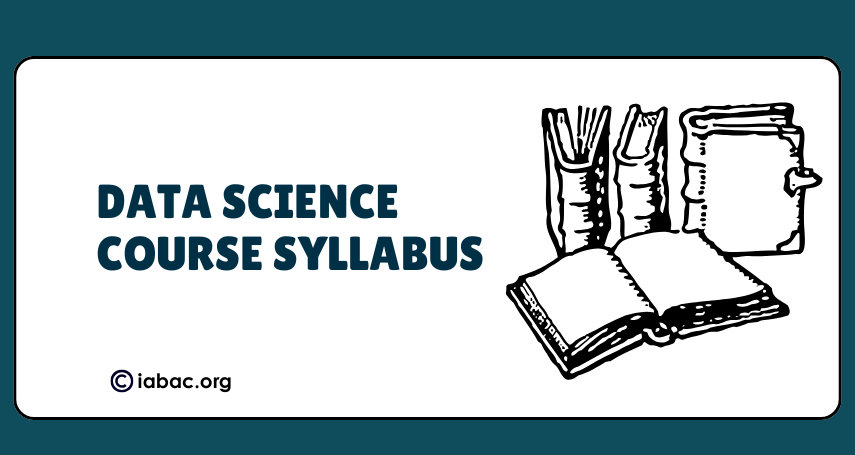
Scrolling through LinkedIn, it’s hard to miss those posts — professionals announcing new roles as Data Analysts, Machine Learning Engineers, or AI Specialists. Each one feels like a glimpse into the future of work. Many wonder how these individuals managed to reach that point so quickly.
For today’s professionals, data science has become the gateway to career growth in a world ruled by data-driven decisions. It’s not just another trend — it’s a skillset reshaping industries and redefining success.
Before stepping into this field, it’s important to understand what forms its core — the Data Science Course Syllabus. This blueprint outlines everything that transforms a curious learner into a certified, job-ready data professional.
Why Data Science Is More Than Just Numbers
Let’s start with a reality check.
Data science isn’t just about processing numbers or writing complex code. It’s about solving real-world problems — predicting market trends, optimizing business performance, personalizing customer experiences, and even shaping public health policies.
Organizations across industries are shifting to AI-driven, data-first mindsets, and that’s creating a massive demand for professionals who can turn raw data into insights.
That’s where understanding a Data Science Course Syllabus becomes essential — it’s your learning map to mastering the skills employers actually want.
What You’ll Learn in a Data Science Course Syllabus
A well-designed data science syllabus is structured to build your skills progressively — from the basics of programming to the complexities of AI and machine learning.
Here’s a closer look at what’s typically included:
1. Foundations of Data Science
This is where it all begins. You’ll learn the core principles that define the field.
- Introduction to Data Science: Understanding data as the new digital currency.
- Mathematics and Statistics: Probability, distributions, hypothesis testing, and regression.
- Programming: Python or R basics — your tools for analysis.
2. Data Wrangling and Visualization
Raw data is rarely perfect. This section trains you to clean, organize, and visualize it.
- Data Cleaning and Preprocessing using tools like Pandas and NumPy.
- Exploratory Data Analysis (EDA): Identifying trends and outliers.
- Visualization Tools: Matplotlib, Seaborn, Power BI, or Tableau to present data effectively.
3. Machine Learning and Predictive Modeling
This is the heart of data science. You’ll build models that make predictions and automate decisions.
- Supervised and Unsupervised Learning (e.g., regression, classification, clustering).
- Model Evaluation and Optimization.
- Deep Learning Introduction: Neural networks, TensorFlow, and Keras.
4. Big Data and Cloud Platforms
As data grows, so do the technologies to manage it.
- Big Data Concepts: Hadoop, Spark, and distributed data processing.
- Cloud Platforms: AWS, Azure, or Google Cloud for scalable data storage and computation.
5. AI, Ethics, and Real-World Applications
Understanding AI’s impact goes beyond the algorithms.
- Ethical AI and Data Privacy principles.
- Domain-Specific Projects: Finance, healthcare, marketing, and supply chain analytics.
- Capstone Project: Applying everything learned to solve a real problem.
The Human Side of Data Science
Behind every dataset is a story — and that’s what makes data science more human than technical.
Think about it: data isn’t just numbers. It’s customer feedback, health reports, buying habits, social behavior — snapshots of people’s lives.
Professionals who can translate this data into meaningful insights are shaping decisions that impact millions.
That’s why a strong syllabus doesn’t just teach tools; it teaches critical thinking, communication, and business understanding.
The Growing Urgency to Upskill
Here’s the uncomfortable truth — technology won’t wait for anyone.
By 2028, the World Economic Forum estimates that nearly 85 million jobs could be displaced by automation, while 97 million new roles will emerge — most demanding data literacy and analytical skills.
So when you delay learning, you’re not just missing out on skills — you’re missing opportunities.
A well-structured Data Science Course Syllabus helps bridge that gap, equipping you to stay relevant in the future of work.
How IABAC Helps You Turn Learning Into Certification
This is where IABAC (International Association of Business Analytics Certifications) comes in — helping learners worldwide move beyond theory to globally recognized certification.
When you choose a course aligned with the IABAC framework, you’re not just learning — you’re earning credibility that hiring managers recognize.
Here’s what sets IABAC apart:
- Industry-Recognized Certifications based on European frameworks.
- Curriculum Mapped to Real-World Skills used by data professionals.
- Practical Assessments and Case Studies to test your hands-on expertise.
- Global Recognition across 70+ countries.
An IABAC-aligned Data Science Course Syllabus ensures that your learning translates directly into measurable skills — not just academic knowledge.
Real Career Outcomes: What Learners Achieve
Many professionals who pursue an IABAC-certified data science course report tangible growth:
- Career transitions from non-tech roles to data analyst or business intelligence positions.
- Pay hikes between 20% to 50%, depending on the industry and location.
- Increased job security and relevance in digitally transforming organizations.
The transformation often begins with curiosity — and a structured syllabus gives that curiosity direction.
How to Make the Most of Your Data Science Journey
To get the best out of your learning experience, keep these points in mind:
- Stay Curious: Explore beyond the syllabus. Dive into Kaggle competitions or open-source datasets.
- Build Consistency: Practice coding and model building daily.
- Network with Learners: Join IABAC communities and data forums.
- Document Your Work: Create a portfolio of projects to showcase to employers.
Remember, a syllabus is only as valuable as the effort you put into applying it.
The Future Belongs to Data-Literate Professionals
Every major business decision today — from marketing campaigns to financial forecasts — relies on data insights.
If you can speak the language of data, you don’t just follow change; you lead it.
Choosing to study the Data Science Course Syllabus isn’t about ticking a box — it’s about preparing for a career that stays relevant as industries evolve.
And when your learning is backed by a globally trusted certification like IABAC, you gain a professional edge that employers value.
Don’t Wait to Be Ready — Start Learning Now
Every professional starts somewhere. The difference between those who dream about a data-driven career and those who build one is action.
The data revolution is already here — it’s transforming industries, redefining roles, and creating opportunities every day.
Understanding the Data Science Course Syllabus is your first step toward joining that revolution.
With IABAC, you’re not just learning; you’re future-proofing your career.


 Priyank SEO