Chudasama Outsourcing
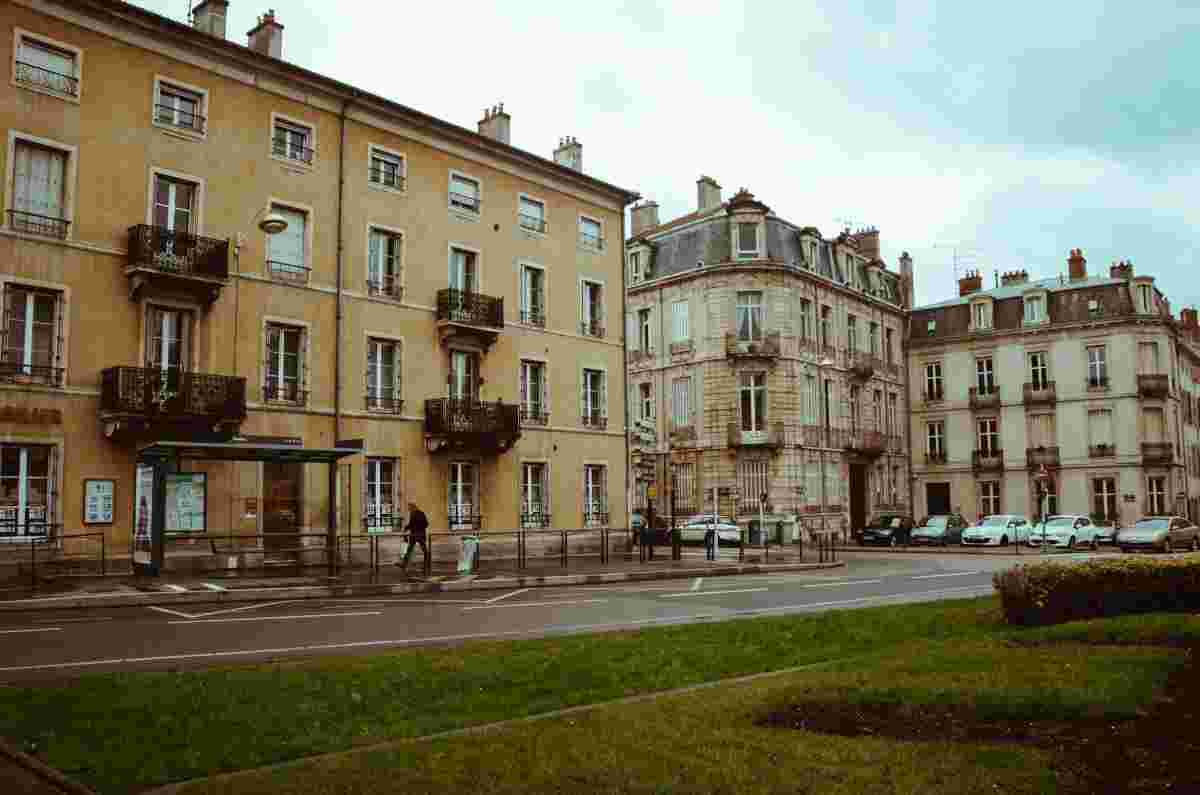
Renovating an existing building is often far more complex than constructing one from scratch. Architects face a unique set of variables: missing blueprints, undocumented structural changes, and the inevitable wear and tear of decades. Relying on manual measurements or outdated 2D drawings can lead to costly surprises once demolition begins.
This is where Scan to BIM technology is changing the game. By bridging the gap between the physical world and digital design, this process offers architects a level of precision that was previously impossible. It allows teams to capture the exact “as-built” conditions of a structure and convert that data into a Building Information Model (BIM).
For architects looking to minimize risk and maximize efficiency, understanding Scan to BIM is no longer optional—it is an essential tool for modern renovation planning.
Understanding the Scan to BIM Process
At its core, Scan to BIM is the process of digitally capturing a physical space and translating it into a smart 3D model. It starts with laser scanning. Using LiDAR (Light Detection and Ranging) technology, a scanner sends out millions of laser beams that bounce off surfaces and return to the sensor.
This creates a “point cloud”—a massive dataset consisting of millions of individual data points that map out the precise geometry of the building. Every wall, beam, pipe, and uneven floorboard is captured with millimeter-level accuracy.
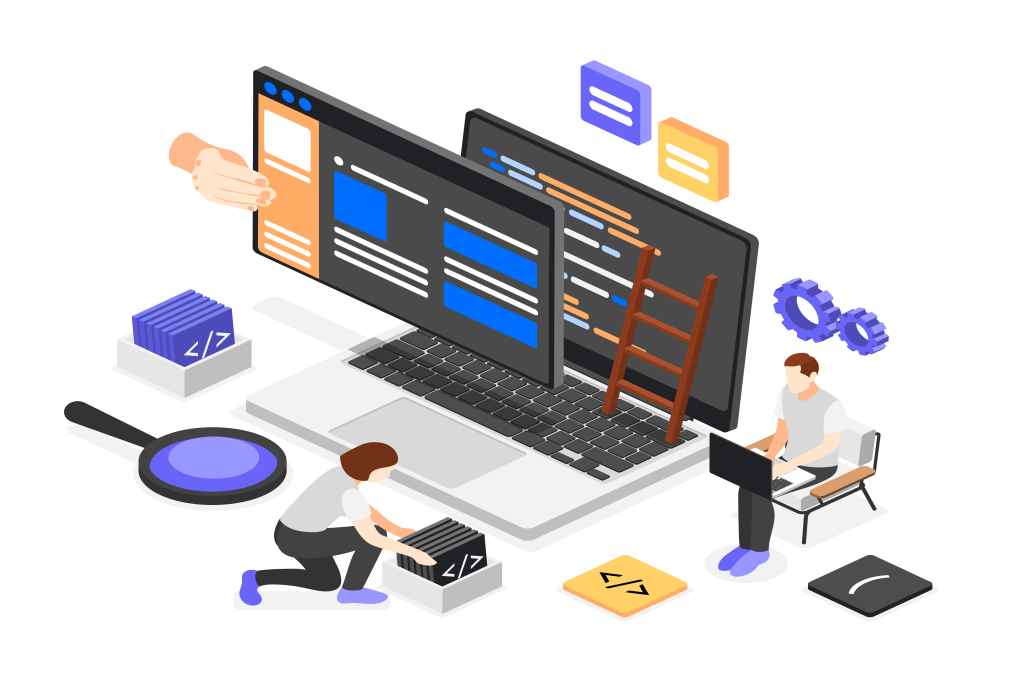
However, a point cloud is just raw data. The second, more critical step is processing this data. Architects or BIM specialists import the point cloud into software like Revit or ArchiCAD. They then trace over the points to create parametric 3D objects. The result is a functional BIM model that reflects the actual conditions of the site, rather than the idealized version found in old drawings.
Why Architects Are Switching to Scan to BIM
The transition from manual surveying to laser scanning offers significant advantages, particularly for complex retrofit and renovation projects.
Unmatched Accuracy
Manual measurements are prone to human error. A tape measure might miss the slight bow in a wall or the exact angle of a conduit. Scan to BIM eliminates this guesswork. The resulting model provides a digital twin of the building, ensuring that new designs fit perfectly within the existing constraints. This is crucial for prefabrication, where components are built off-site and must fit seamlessly upon arrival.
Clash Detection and Error Reduction
One of the biggest headaches in renovation is finding unexpected clashes—like a new HVAC duct hitting an existing structural beam. With a high-fidelity BIM model, architects can run clash detection algorithms before construction begins. Identifying these conflicts virtually saves thousands of dollars in change orders and rework on site.
accelerated Project Timelines
While the scanning process takes time, it is significantly faster than manual surveying for large buildings. Moreover, because the data is comprehensive, architects rarely need to return to the site to measure “that one corner” they forgot. The design team has the entire building on their desktop, allowing for faster decision-making and smoother collaboration with engineers and contractors.
Overcoming Common Challenges
Despite its benefits, adopting Scan to BIM comes with hurdles. The equipment is expensive, the files are enormous, and the modeling process requires specialized skills.
Managing Large Data Sets
Point cloud files can be hundreds of gigabytes in size. Handling this data requires powerful hardware and efficient network infrastructure. To manage this, many firms use cloud-based collaboration platforms that allow teams to view and annotate scans without downloading the massive source files.
The Skills Gap and Outsourcing
Converting a point cloud into a clean BIM model is a labor-intensive and technical task. It requires a deep understanding of both the software and construction methodologies to distinguish between a structural column and a decorative wrap.
Many architectural firms find that they lack the in-house capacity to handle this processing efficiently. This is where specialized partners play a vital role. Companies like Chudasama Outsourcing provide the expertise needed to convert raw scan data into precise BIM models. By leveraging external experts, architectural firms can focus on the creative and strategic aspects of the renovation while ensuring their foundational data is accurate. Outsourcing this technical legwork often proves more cost-effective than hiring and training dedicated in-house staff for sporadic scanning needs.
The Future of Renovation Tech
As technology matures, Scan to BIM is becoming faster and more accessible. We are moving beyond heavy, tripod-mounted scanners. Mobile mapping devices and drone-mounted LiDAR are making it possible to scan vast areas in minutes rather than days.
Furthermore, Artificial Intelligence is beginning to automate the tedious “trace and model” phase. AI algorithms are being trained to recognize architectural features within point clouds automatically, potentially reducing the time it takes to generate a BIM model by half.
We are also seeing better integration with Virtual Reality (VR). Architects can now walk clients through a renovation concept overlaid on the hyper-realistic scan of their current building, helping stakeholders visualize the transformation with incredible clarity.
Embracing Precision in Design
The era of relying on shaky hand measurements and outdated blueprints is fading. Architectural scan to BIM services provide the reliable foundation necessary for successful renovation projects. It minimizes the risks associated with existing structures and empowers architects to design with confidence.
By understanding the workflow, acknowledging the challenges, and partnering with experts like Chudasama Outsourcing, architecture firms can deliver higher-quality renovations with fewer delays and budget overruns. In an industry where margins are tight and errors are costly, precision is the ultimate competitive advantage.

 Sahu
Sahu