Stitch Digitizer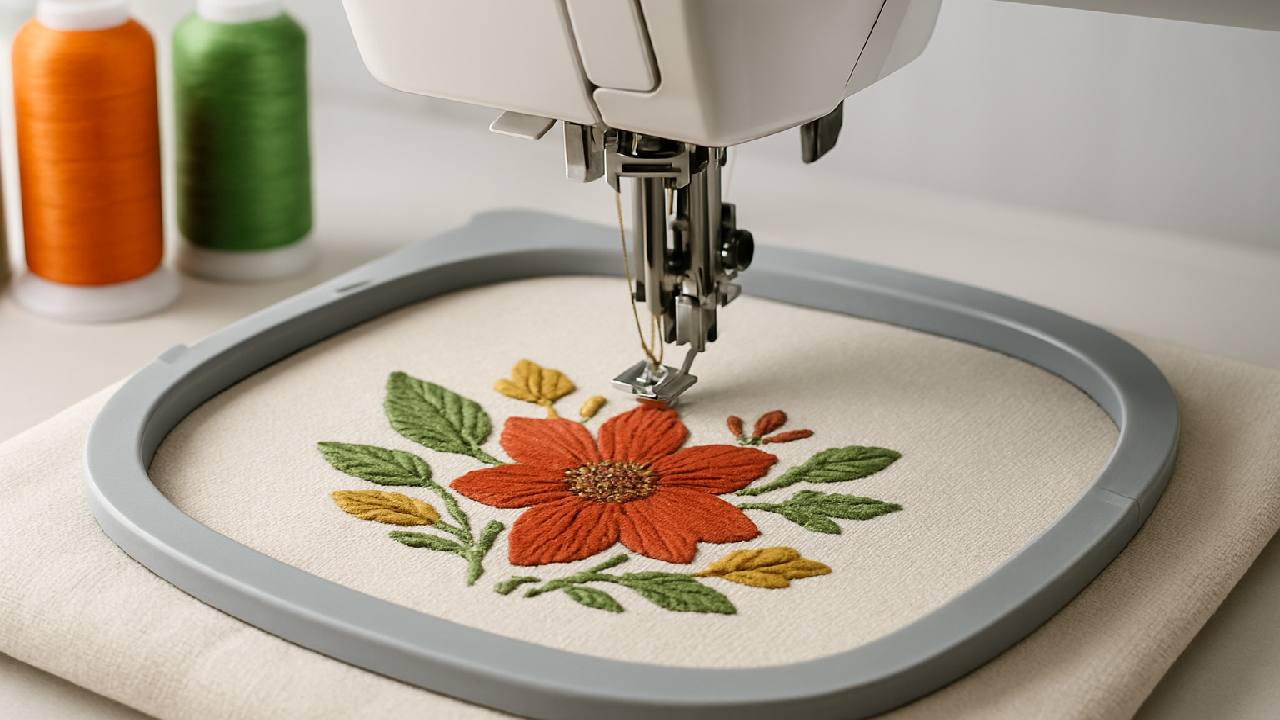
Why Quality Matters From the Start
A well-stitched design catches attention right away. People notice smooth lines, balanced texture, and neat finishes, and all these details depend on strong embroidery quality. Good results come from the work done early in the process. When planning, materials, and technical choices line up, the final piece looks polished and wears well over time.
How Digitizing Guides the Machine
Every embroidered design starts as a digital blueprint. This process is called Logo Digitizing, and it sets the tone for how the design will sew. Stitch angles, spacing, pathing, and layering all come from this step. When the file is prepared with care, the machine follows a steady, predictable path that keeps shapes clean and reduces thread breaks. Without a solid file, even high-end machines struggle to produce smooth results.
Matching the Fabric With the Right Support
Different fabrics respond to stitching in different ways. Soft materials may stretch, heavy ones may resist, and textured fabrics may need extra planning. A stabilizer gives the fabric structure so the stitches settle evenly. Choosing the right type helps prevent shifting, puckering, or distortion. This is one of the easiest ways to protect embroidery quality before the machine even starts.
Thread, Needles, and Machine Adjustments
Thread color and material influence not only how a design looks but how it behaves under tension. The right needle helps thread pass cleanly without snagging or cutting the fabric. Machine speed and tension also need to fit the project. These small adjustments may seem simple, but they have a big impact. When they work together, the stitched design looks clean, smooth, and consistent.
Making Artwork Stitch-Friendly
Some artwork needs small changes to sew correctly. Thin lines can disappear, tiny text may blur, and dense blocks can become bulky. The digitizer adjusts these areas, simplifying shapes or reducing density so the design keeps its original look while stitching more clearly. This stage of Logo Digitizing helps ensure the finished piece stays readable and stable on any fabric.
Testing for Best Results
A test run is one of the most valuable steps in the process. It shows how the design behaves on the actual fabric and reveals places that may need adjustment. Even small tweaks can make a big difference, especially with layered designs or fine lettering. Testing helps avoid surprises and supports stronger embroidery quality in the final batch.
What Skilled Shops Do Differently
Experienced embroidery teams follow a reliable workflow. They review artwork carefully, digitize with precision, match fabric and stabilizers correctly, set up machines based on project needs, and check samples before full production. They also maintain their equipment so every run stays consistent. These habits lead to clean, dependable results that customers can trust.
Final Thoughts
High-quality embroidery comes from planning, technical skill, and steady attention to detail. When embroidery quality becomes part of the process instead of an afterthought, every piece looks sharper and feels more professional. With thoughtful Logo Digitizing, proper materials, and well-tuned machines, a simple design can turn into a finished piece that stands out and holds up over time.
EMDigitizer provides practical embroidery tools like cost calculators, stitch count calculators, and simulators, helping hobbyists and professionals save time, estimate projects, and create accurate, high-quality embroidery with ease.
Visit now: EM Digitizer


 Simaals Official
 asif asif