Bill Deuters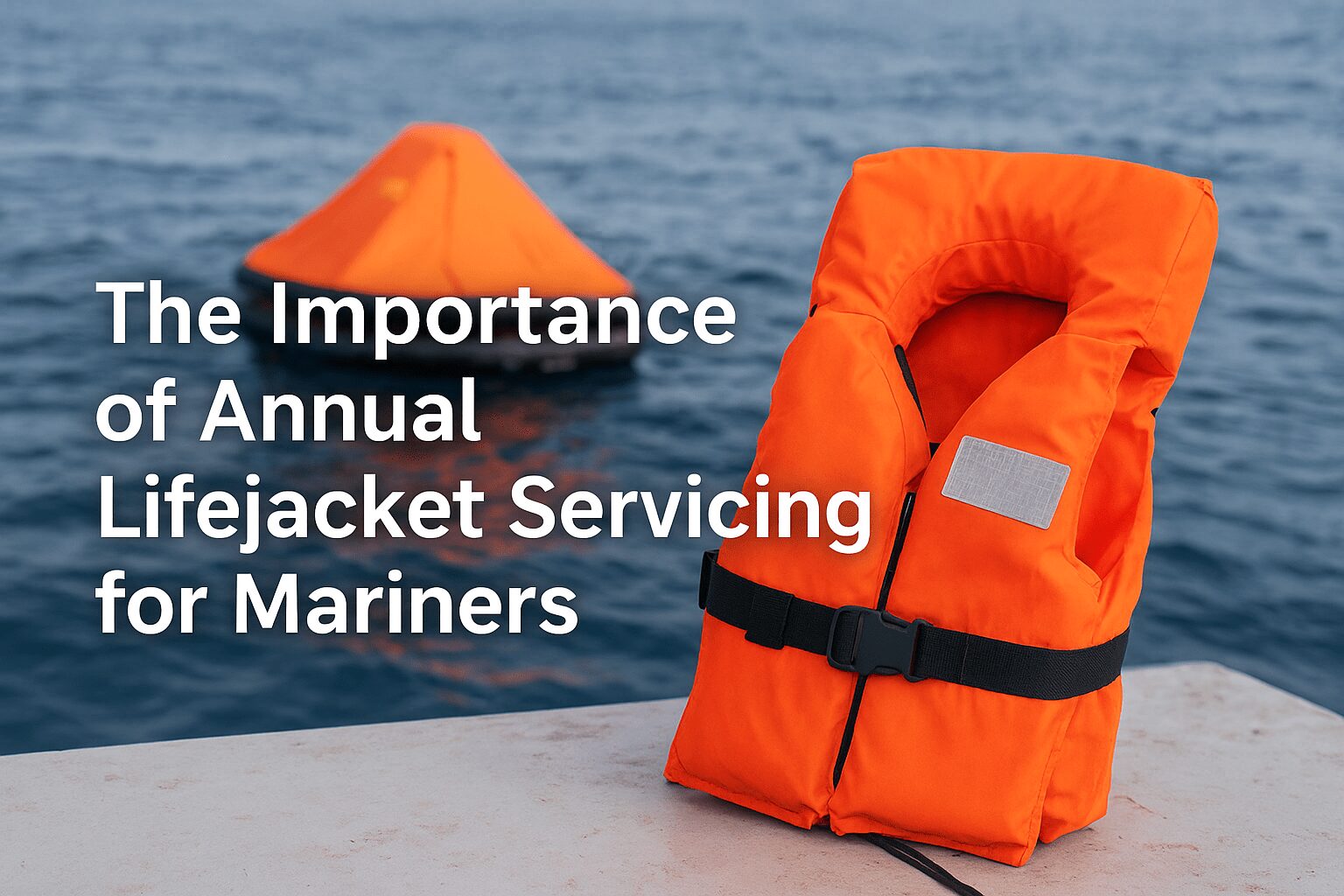
Life at sea is unpredictable. Weather shifts quickly, mechanical failures happen without warning, and even the most skilled mariners can encounter unexpected emergencies. Amid all these variables, there is one piece of equipment designed specifically to preserve life in the most critical moments—the lifejacket. Yet, a lifejacket only offers full protection when it is properly maintained, regularly inspected, and serviced by qualified professionals.
For this reason, annual lifejacket servicing has become an essential safety practice for commercial, leisure, and professional mariners alike. While many vessels prioritise navigation equipment, communication systems, and routine engine checks, lifejacket servicing is sometimes overlooked simply because the equipment appears unused. But like any other safety device, a lifejacket can degrade quietly over time, and maintenance is the only way to ensure it performs when needed most.
This article explains why annual lifejacket servicing is vital, how it enhances maritime safety, what mariners should expect during servicing, and how it aligns with broader equipment upkeep practices such as liferaft servicing, evaluating Lifejackets for Sale, or arranging seasonal lifejacket hire.
Why Lifejackets Need Servicing Even When They Look “Perfectly Fine”
Lifejackets are exposed to a unique combination of conditions—saltwater, humidity, rapid temperature changes, physical handling, and long periods of storage. Over time, these conditions can weaken interior components such as:
- Inflation chambers and bladders
- CO₂ cylinders
- Inflation mechanisms and firing heads
- Reflective tapes, lights, and whistles
- Straps, buckles, and stitching
These elements may still appear intact on the outside while internal mechanisms quietly deteriorate. The lifejacket’s buoyancy performance can reduce, seams may loosen, and gas cylinders can become corroded. Subtle damage like this often goes unnoticed until an emergency occurs—precisely when the equipment must work immediately and reliably.
Annual servicing ensures these failures are identified long before they become dangerous.
Regulatory and Compliance Requirements for Mariners
Lifejacket servicing isn’t just best practice—it is also required under several maritime safety standards. International and national regulations state that lifejackets must be inspected and serviced at regular intervals, especially on commercial vessels.
This applies to vessels operating under:
- SOLAS (Safety of Life at Sea) Guidelines
- MCA (Maritime and Coastguard Agency) Requirements
- Workboat Codes and Passenger Vessel Regulations
- Fishing Vessel Safety Rules
- Commercial Charter and Training Vessel Standards
Failure to service lifejackets can lead to:
- Non-compliance during surveys
- Penalties or operational restrictions
- Increased liability in the event of an accident
- Compromised crew safety
Even private boat owners benefit from regular servicing, as it ensures their equipment remains dependable for family excursions, seasonal voyages, or long-distance cruising.
How Annual Lifejacket Servicing Protects Mariners
1. Ensures Reliable Inflation in Emergencies
The most critical function of a lifejacket is its ability to inflate immediately when needed. Servicing examines:
- CO₂ cylinders for corrosion or weight loss
- Activation mechanisms (automatic/manual)
- Oral inflation tubes
- Seals, gaskets, and valves
Any malfunction in these components can lead to delayed inflation—or no inflation at all—during an emergency. Annual servicing eliminates these risks.
2. Preserves Lifejacket Buoyancy and Structural Integrity
Buoyancy chambers are inspected for leaks, stiffness, or fabric degradation. Technicians perform pressure tests to confirm that the lifejacket can maintain inflation over time. Ensuring buoyancy performance protects mariners from fatigue and the effects of cold water shock.
3. Confirms Visibility and Signalling Features Work Correctly
Safety lights, reflective strips, whistles, and lifting loops are essential for increasing rescue visibility, especially at night or in rough seas. Annual servicing ensures:
- Lights activate properly
- Reflective tape remains fully adherent
- Whistles and buddy lines are intact
- Sprayhoods (if fitted) deploy correctly
- These elements collectively increase the chances of quick and safe recovery.
4. Extends Equipment Lifespan
A serviced lifejacket can last many years longer than one that is ignored. Replacing parts early prevents deeper structural damage, saving long-term costs while maintaining safety standards.
5. Supports Safer Working Environments
Workboats, fishing vessels, training fleets, marine contractors, and charter operators rely on lifejackets daily. Proper servicing builds a strong safety culture on board, reduces risk, and protects crews from preventable harm.
What Mariners Can Expect During Professional Lifejacket Servicing
During annual Lifejacket servicing, trained technicians follow a structured process to ensure each lifejacket complies with manufacturer and regulatory requirements. This typically includes:
- External inspection
- Opening and full internal assessment
- Pressure testing of buoyancy chambers
- Cylinder condition checks and weighing
- Inspection of activation cartridges and mechanisms
- Replacement of worn or expired components
- Light and whistle functionality tests
- Repacking and sealing with service documentation
At the end of servicing, mariners receive a certificate or service tag confirming the lifejacket’s compliance for the next operating period.
Choosing the Right Lifejacket: Why Buyers Should Understand Servicing Requirements
When mariners browse Lifejackets for Sale, they often compare buoyancy levels, C02 activation systems, fit, and additional safety features. But understanding how the lifejacket must be serviced each year is just as important.
Some models require:
- Annual service checks
- Service by accredited stations only
- Periodic part replacements (e.g., cylinders, auto-capsules)
- SOLAS or MCA-approved components
- Repacking in manufacturer-specific formats
This is why mariners shopping for Lifejackets for Sale benefit from reviewing certified and approved equipment, which can be explored through the marine safety equipment catalogue.
Choosing equipment that aligns with servicing availability ensures long-term reliability and compliance.
Lifejacket Hire for Seasonal or Occasional Operations
Not all vessels operate year-round. Seasonal fishing fleets, occasional charter boats, training schools, and temporary operations often prefer lifejacket hire over purchasing. Hiring ensures:
- Access to serviced, compliant equipment
- Reduced storage and maintenance responsibilities
- Flexibility for varying crew sizes
- Cost-effective short-term safety provision
Hiring equipment also ensures that every jacket arrives fully checked, compliant, and ready to use—eliminating the risk of overlooked maintenance.
FAQ Lifejacket Servicing:
How often should lifejackets be serviced?
Most commercial vessels require annual servicing under maritime regulations. Leisure users are also strongly advised to schedule yearly checks, especially before long voyages.
What happens if a lifejacket fails a service inspection?
Technicians will identify the issue, replace faulty components, or recommend a replacement if the lifejacket is beyond safe repair.
Can mariners service lifejackets themselves?
No. Only accredited technicians with access to specialist tools and manufacturer parts can perform compliant servicing.
Does an unused lifejacket still need servicing?
Yes. Even if a lifejacket has never been activated, components like CO₂ cylinders, firing heads, and buoyancy chambers degrade over time.
Does liferaft servicing relate to lifejacket servicing?
Many mariners schedule both together to streamline compliance, safety checks, and vessel survey requirements.
Why Annual Lifejacket Servicing Should Never Be Overlooked
At sea, preparation makes all the difference. A serviced lifejacket offers mariners confidence that, if the unexpected occurs, the equipment will perform to its full capability. Annual servicing protects lives, ensures compliance, reduces long-term costs, and maintains a strong safety culture on board.
Whether sourcing Lifejackets for Sale, arranging liferaft servicing, purchasing new Marine Safety Equipment, or opting for lifejacket hire, mariners benefit greatly from understanding the role that proper servicing plays in equipment reliability.
A lifejacket may only be needed once—but that one moment matters more than anything else. Annual servicing ensures it is ready.

 Sahu
Sahu