Roman Johnson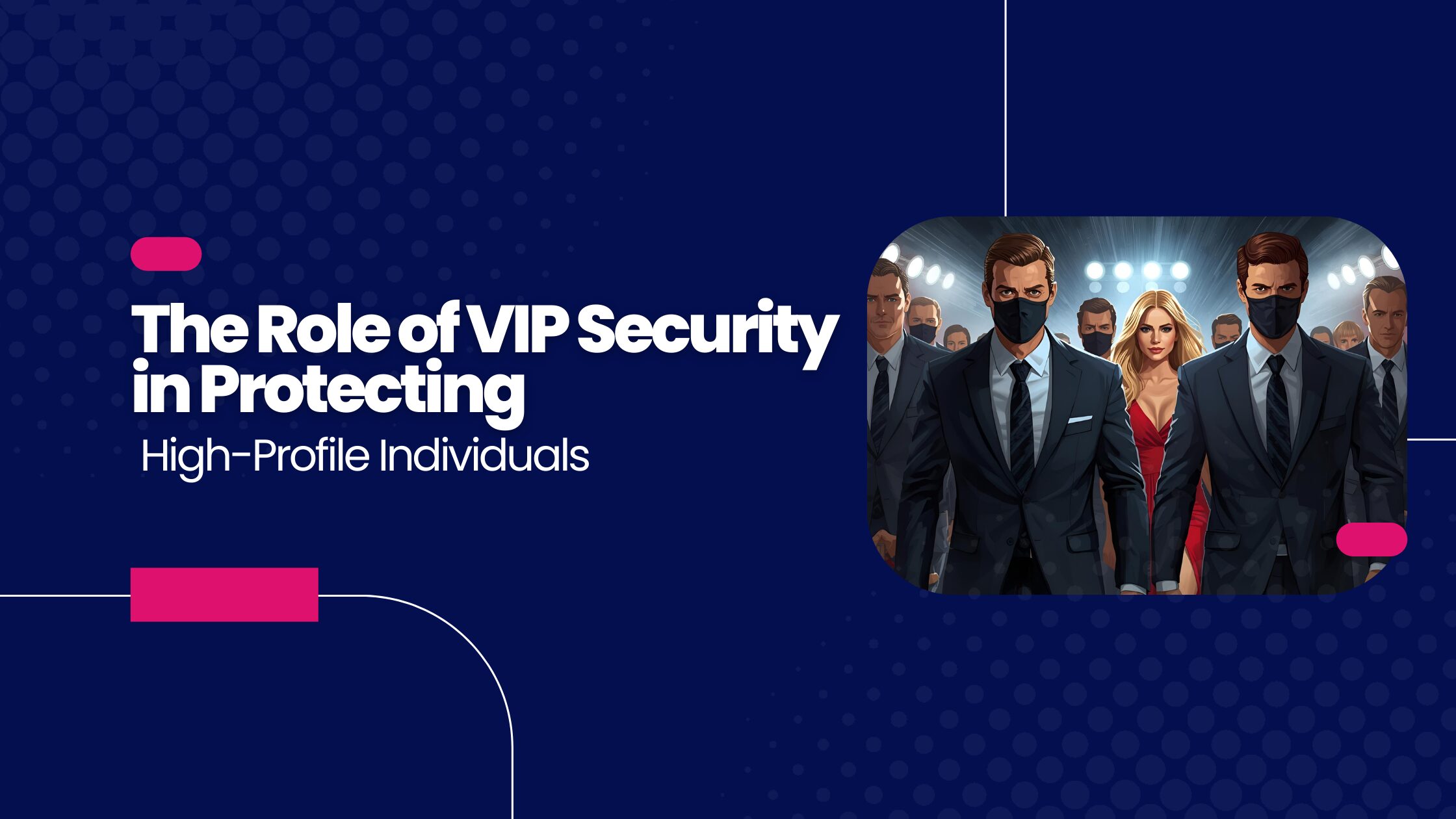
A comprehensive analysis of how specialized protection teams safeguard public figures in unpredictable environments.
Introduction
High-profile individuals live in a world shaped by intense public attention, constant media exposure, and unpredictable interactions. Fame, influence, and financial wealth—while beneficial—come with a unique set of dangers. Public figures often face higher risks of stalking, harassment, targeted attacks, digital exploitation, and personal intrusions that ordinary security measures cannot manage. As visibility increases, so does vulnerability.
This environment has created a growing need for professional VIP security services—a specialized form of protection designed specifically for individuals whose public presence makes them potential targets. These services go far beyond the traditional concept of a bodyguard. Instead, they rely on structured threat assessments, multi-layered protection strategies, secure transportation, advanced surveillance tools, and highly trained personnel who can anticipate and neutralize risks before they escalate.
This comprehensive guide explains how VIP protection works, the tools and techniques behind it, and why it remains a critical requirement for modern public life.
I. Why High-Profile Individuals Need Enhanced Security
High-profile individuals face risks that differ significantly from the general population. These risks arise from visibility, influence, financial status, and public expectation. Below are the most common factors that make VIP security essential.
1. Unpredictable Public Interactions
Celebrities, politicians, athletes, and social media personalities regularly encounter large crowds—often without warning. These interactions can quickly become chaotic, especially when people push for photos, autographs, or attention. In such moments, crowd surges can become physical hazards, and opportunistic individuals may attempt harmful acts.
VIP security teams create controlled environments that allow public interactions to remain safe while preventing harmful interference.
2. Stalking and Fixated Individuals
High-profile individuals frequently deal with obsessive admirers or stalkers who fixate on them through distorted emotional attachment or imagined personal connections. These individuals may follow them, attempt unauthorized entry into private spaces, or send threatening messages.
A significant portion of VIP protection involves monitoring behavioral patterns, online threats, and potential stalker activity.
3. Harassment and Threats in the Digital Age
Social media exposure increases the risk of cyber harassment, impersonation, and doxxing. Sensitive personal details—such as home address, daily schedule, and travel plans—can be leaked or targeted.
VIP protection teams now include cyber specialists who monitor digital trails, remove harmful content, and analyze threat indicators across online platforms.
4. Kidnapping, Extortion, and Financial Crimes
Business leaders, wealthy heirs, diplomats, and executives are often targeted for kidnapping-for-ransom schemes or financial crimes. Their wealth makes them attractive targets for organized groups seeking leverage.
Enhanced security reduces the chances of abduction and ensures rapid emergency response.
5. Paparazzi Pressure and Invasive Photography
Celebrities and influencers often struggle with the aggressive behavior of paparazzi. This type of pressure can lead to unsafe driving conditions, crowd clashes, and physical obstruction.
VIP teams maintain secure zones, manage access, and ensure that invasive behavior does not escalate.
6. Travel-Related Vulnerabilities
Public figures frequently travel for events, business meetings, and performances. Airports, hotels, and unfamiliar cities create elevated risks.
Security personnel plan every detail—including routes, vehicles, and secure entry/exit points—to reduce exposure during travel transitions.
II. Core Components of VIP Security Services
VIP protection is not a single task; it is an integrated system of layered safeguards designed to anticipate, prevent, and respond to threats.
Below are the primary components of modern VIP security.
1. Close Protection Officers (CPOs)
These individuals are the backbone of VIP security. Often with military, law enforcement, or specialized private training backgrounds, CPOs remain in close proximity to the client at all times. Their responsibilities include:
-
Monitoring surroundings for suspicious activity
-
Maintaining a safe physical distance between the VIP and others
-
Detecting behavioral cues that may indicate risk
-
Escorting the client through crowds or confined spaces
-
Acting as the first response to potential threats
Close protection is about anticipation rather than reaction—a well-trained officer plans actions before risks become visible.
2. Threat Assessment & Risk Analysis
Security teams conduct thorough assessments that examine:
-
The individual’s lifestyle and routines
-
Public exposure level
-
Travel history and upcoming events
-
Past threats or harassment cases
-
Online mentions, digital footprint, and recent media coverage
Based on the findings, a tailored protection plan is created that includes route planning, secure zones, transportation strategies, and emergency procedures.
This assessment is ongoing because threats evolve continuously.
3. Secure Transportation
Transportation is one of the most vulnerable stages for high-profile individuals. Secure transportation involves:
-
Trained drivers skilled in defensive and evasive driving
-
Pre-planned routes with secondary alternatives
-
Vehicle inspections before departure
-
Use of armored or reinforced vehicles, if needed
-
GPS tracking and real-time communication
VIPs rarely travel without a clear, structured plan that accounts for local risks and environmental conditions.
4. Event and Public Appearance Security
Events attract large crowds, making them high-risk environments. Event security includes:
-
Venue inspections
-
Surveillance placement
-
Controlled entry points
-
Staff coordination and briefing
-
Emergency exit mapping
-
Crowd-density monitoring
By preparing in advance, security teams reduce unpredictability and ensure the client moves through the event safely.
5. Residential Security
Homes and vacation properties require long-term security planning. Residential protections may include:
-
24/7 surveillance
-
Perimeter fencing and access control
-
Biometric locks
-
Alarm systems and panic rooms
-
Visitor screening and delivery inspection
-
Security patrols
Dependents—such as spouses, children, and family members—are often included in the protection plan.
6. Cybersecurity Integration
As digital threats increase, cybersecurity has become inseparable from VIP protection. Teams now monitor for:
-
Doxxing attempts
-
Fake social media accounts
-
Hacked email or communication channels
-
Online harassment or threats
-
Data leaks
-
Impersonation schemes
Cybersecurity protects both reputation and personal safety.
III. How VIP Security Teams Plan and Mitigate Threats
A core function of VIP protection is predicting risks and implementing preventive solutions.
1. Routine Mapping and Unpredictability
Security teams analyze the client’s daily patterns and identify where predictability could create vulnerability. They may adjust routines, change transportation times, or vary routes to minimize exposure.
Unpredictability is a strategic asset.
2. Location Scouting (Advance Work)
Before a VIP arrives at a destination, security teams:
-
Visit the location
-
Map exits and safe zones
-
Identify blind spots
-
Test surveillance coverage
-
Meet with venue staff
-
Establish communication points
This ensures that the environment is controlled before the VIP enters it.
3. Communication Protocols
Clear communication prevents confusion in crisis situations. Teams use:
-
Encrypted communication systems
-
Real-time location tracking
-
Emergency code language
-
Coordinated team channels
Everyone involved in the client’s movement knows how to respond at every stage.
4. Public Behavior Monitoring
Security personnel monitor crowds for:
-
Sudden movements
-
Aggression
-
Emotional instability
-
Individuals following or recording excessively
-
Known threat profiles
This allows early detection before a situation escalates.
IV. Technology in Modern VIP Security
Technology has transformed VIP protection into a precision-based practice. Below are the most widely used tools.
1. Surveillance Systems
Modern VIP environments may include:
-
CCTV networks
-
Thermal imaging
-
Facial recognition
-
Drone surveillance
-
Motion sensors
These systems allow large areas to be monitored efficiently.
2. GPS and Real-Time Tracking
Vehicles, officers, and sometimes the VIP themselves may be tracked for safety. Tracking enables:
-
Route monitoring
-
Emergency rerouting
-
Quick response coordination
-
Incident documentation
3. Biometric Access Control
Residences and secured spaces often use:
-
Fingerprint scanners
-
Iris recognition
-
Facial recognition
These reduce unauthorized access attempts.
4. AI-Based Digital Threat Detection
AI tools scan online platforms to detect:
-
Suspicious comments
-
Violent threats
-
Organized harassment
-
Identity-based attacks
-
Stalker patterns
This allows teams to intervene early and take legal or preventive action.
V. VIP Security During Events, Travel, and Media Appearances
These situations are high-risk due to public exposure.
1. Events
Event protection includes:
-
Managing crowd flow
-
Pre-event risk assessment
-
Safe positioning of the VIP
-
Controlled photography lines
-
Coordinating with onsite security
Events require dynamic oversight due to shifting crowd behavior.
2. Travel
When traveling—domestically or internationally—security teams focus on:
-
Airport control
-
Baggage security
-
Hotel entry/exit routes
-
City-specific risks
-
Secure vehicles and drivers
In unfamiliar cities, teams collaborate with local authorities for added protection.
3. Media Appearances
Media interactions can be unpredictable. Security teams:
-
Control spacing
-
Screen reporters
-
Manage large camera setups
-
Guide the VIP through congested spaces
The aim is to maintain professionalism while ensuring safety.
VI. Qualifications and Skills of VIP Security Professionals
Being a close protection officer requires more than physical strength. Below are the essential qualifications:
1. Professional Training Background
Most officers come from:
-
Military special forces
-
Law enforcement units
-
High-level private security academies
These backgrounds prepare them for high-stress environments.
2. Physical and Tactical Skills
Officers must be proficient in:
-
Self-defense
-
Defensive driving
-
Firearm handling (when legal)
-
Surveillance detection
-
Quick evacuation techniques
3. Soft Skills
Equally important are:
-
Emotional intelligence
-
Calmness under pressure
-
Conflict de-escalation
-
Communication clarity
-
Adaptability
4. Medical Training
Many officers are trained in:
-
CPR
-
Trauma care
-
Emergency response
-
Crisis management
Medical knowledge can save lives in critical moments.
VII. Emergency Response and Crisis Procedures
VIP security teams are trained to handle emergencies with speed and precision.
1. Immediate Threat Response
If a threat emerges, the officer’s priority is to:
-
Shield the client
-
Remove them from danger
-
Activate emergency protocols
2. Safe Zone Movement
Every location has pre-planned safe zones. Teams move the VIP to these areas before executing evacuation.
3. Coordination with Authorities
Security teams often work with:
-
Local police
-
Event security
-
Private venue staff
-
Medical personnel
This coordination ensures faster response times.
4. Post-Incident Analysis
After an incident, teams review:
-
What happened
-
How quickly protocols worked
-
What improvements are needed
This strengthens future protection strategies.
VIII. Family & Residential Protection
VIP protection extends to the household.
1. Family Members
Children and spouses may be protected through:
-
Secure school routes
-
Travel supervision
-
Online monitoring
-
Residential access control
2. Residential Systems
Homes often include:
-
24-hour monitoring
-
Perimeter sensors
-
Access control systems
-
Security patrols
VIPs need uninterrupted safety, even when they are not present.
IX. Future Trends in VIP Security
As threats evolve, so does the security industry.
1. AI-Based Threat Prediction
Artificial intelligence will predict risks by analyzing behavior patterns and online data.
2. Drone and Autonomous Surveillance
Drones will provide real-time oversight of large areas.
3. Hybrid Cyber-Physical Protection Teams
Security will increasingly blend digital defense with physical protection.
4. Privacy-Focused Technology
Tools for communication shielding and access anonymization will grow in demand.
Conclusion
VIP security is no longer a luxury—it is a necessity for individuals whose public presence increases their exposure to danger. Through detailed risk assessments, well-trained close protection officers, advanced technology, emergency protocols, and comprehensive planning, VIP security services create a controlled environment that keeps high-profile individuals—and their families—safe.
The goal of VIP protection is not only to prevent threats, but to provide peace of mind, stability, and a secure foundation that allows public figures to work, travel, perform, and live without constant fear or disruption.


 DTM Insights
 John Ethan