tristan45 tate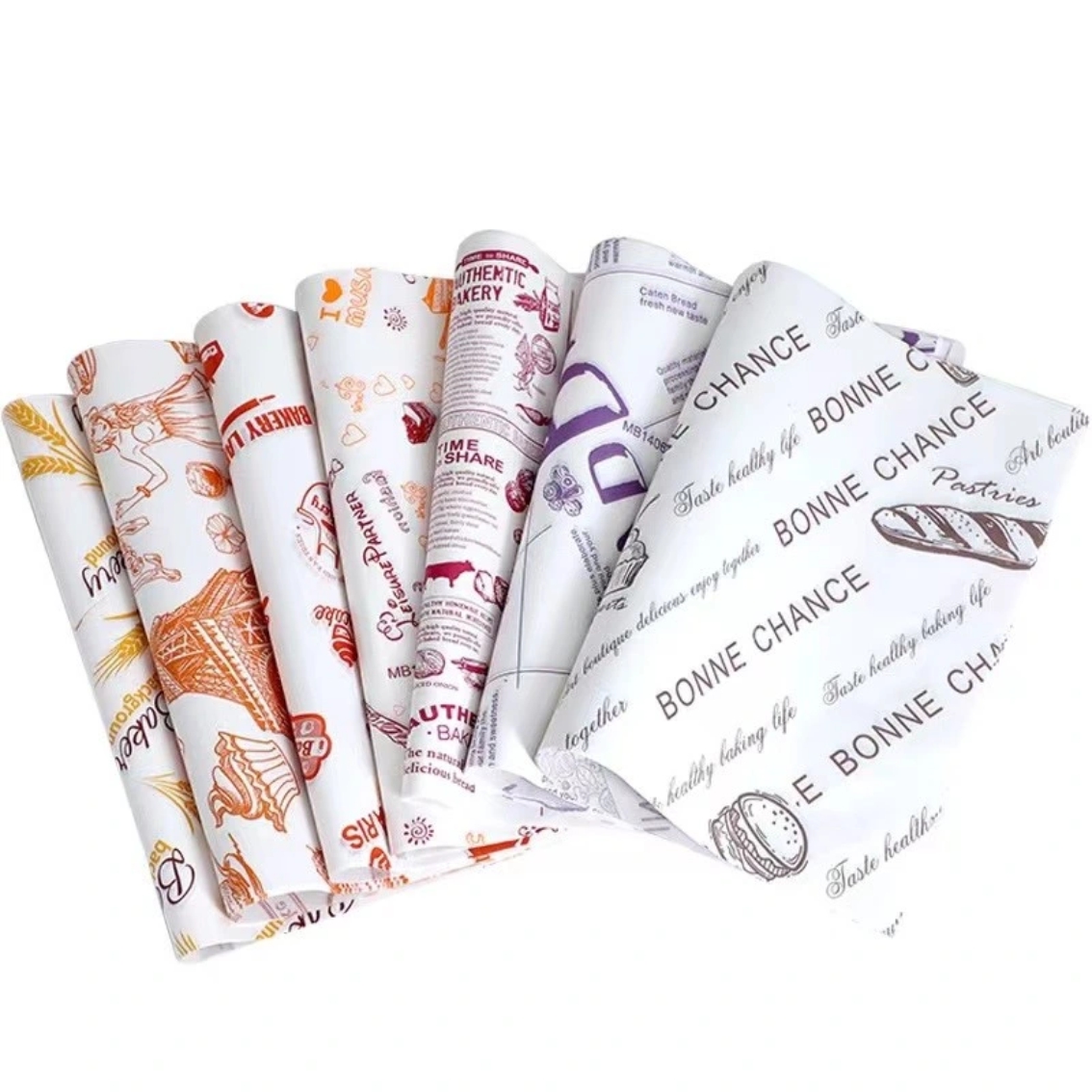
Food sticks to surfaces for several reasons. Moisture from wet foods causes items to attach to surfaces. Some foods release liquids or oils that create contact points with trays or plates. Temperature changes can make sticky foods cling. Cold items may freeze slightly to surfaces while hot foods produce steam that causes adhesion.
Certain foods such as dough or cheese are more likely to stick. When food sticks, parts may tear or break during handling, reducing quality. Understanding why sticking happens allows cooks to take preventive steps. Kitchens in the USA often use simple layers to prevent sticking. Proper handling reduces waste and keeps food ready for serving without mess.
How Do Surface Materials Affect Food Sticking?
Different surfaces affect food differently. Metals like aluminum or steel cool quickly making some foods stick. Wooden surfaces absorb moisture and sometimes reduce sticking but can be hard to clean. Plastic and silicone prevent some sticking but oily or wet foods can cling. Non-stick coatings wear down over time increasing adhesion. Glass is smooth but sticky foods can tear when removed. Knowing surface types helps decide protective methods. Simple layers or sheets can reduce sticking making handling easier. Many kitchens use branded sheets to maintain consistency. Proper surfaces reduce waste and make food handling smoother.
Can Temperature Control Stop Food Sticking?
Temperature affects sticking. Warm foods release steam that makes surfaces sticky. Chilling foods before handling prevents adhesion especially with dough chocolate or baked goods. Freezing items with a protective sheet prevents clumping. Room temperature can affect soft cheeses or candies making them stick. Controlling heat and cold ensures foods stay intact. Combining proper temperature with protective layers improves handling. Many kitchens pair cooling and protective sheets to keep foods ready for serving. Temperature control helps prevent sticking and preserves freshness.
How Does Moisture Cause Food to Stick?
Moisture is the main cause of sticking. Wet or oily foods adhere to surfaces. Sugar melts and creates sticky surfaces when heated. Vegetables and fruits release moisture that acts as a glue. Even small amounts of liquid can make items stick together. Managing moisture prevents sticking and preserves food. Absorbent sheets or protective layers control moisture and keep foods neat. Many kitchens use sheets to reduce contact and preserve quality. Using branded wax papers for food wrapping controls moisture keeping sticky foods intact and easy to handle.
How Do Protective Sheets Prevent Food Sticking?
Protective sheets create a barrier between food and surface. Items like bread, pastries or fried foods do not stick. Sheets reduce cleaning time and maintain food quality. Some sheets absorb moisture while keeping food intact. Kitchens use pre-cut sheets or custom solutions to cover trays. Custom food paper works well for sticky foods offering protection and easy handling. Using sheets ensures food stays fresh ready for serving and avoids tearing. Protective layers save time and reduce waste.
What Methods Work for Wrapping Sticky Foods?
Wrapping sticky foods requires careful handling. Sandwiches, pastries and desserts need individual wrapping. High-sugar foods benefit from layers that absorb moisture. Folding paper properly ensures complete coverage without tearing foods. Heat-sensitive items can cool slightly before wrapping. Wax-coated sheets prevent sticking and help maintain shape. Waxpapershub provides solutions for handling sticky foods with sheets and paper. Proper wrapping keeps food fresh, neat and easy to serve.
Does Food Shape Affect Sticking?
Shape affects sticking. Flat or irregular items like pancakes or pastries stick more due to large contact areas. Rounded or cylindrical foods stick less but can adhere if surfaces are wet. Small items like cookies or candies clump together without layers. Understanding shape helps choose protective methods. Using sheets or layers keeps irregular shapes intact. Adjusting for shape prevents tearing and preserves freshness.
Can Layering Sheets Improve Food Freshness?
Layering sheets between food items prevents sticking. Sheets separate layers to absorb moisture and keep foods intact. Delicate items maintain shape. Multiple layers reduce contact between items. Baked goods, candies or sandwiches benefit most from this method. Branded wrapping paper provides protection and prevents foods from sticking. Layering keeps items neat, easy to handle and ready for serving.
Which Ingredients Make Food Stick More?
Certain ingredients increase sticking. Sugar honey syrup and caramel create sticky surfaces. Soft cheeses butter and chocolate also adhere easily. Vegetables or fruits release moisture that encourages sticking. Being aware of these ingredients allows better preparation. Using sheets or absorbent papers prevents messes. Custom-printed paper can help prevent clumping and maintain food appearance. Proper barriers preserve food and reduce waste.
Can Storage Techniques Prevent Sticking?
Proper storage reduces sticking. Using layers or sheets keeps items separate. Foods stored too long without separation can freeze together or stick. Baked goods should cool before storage. Protective sheets allow stacking without sticking. Efficient storage saves time and reduces waste. Waxpapershub provides materials that help keep food fresh and prevent sticking during storage. Proper storage preserves freshness and makes handling easier.
What Daily Habits Prevent Food Sticking?
Simple kitchen habits reduce sticking. Cooling hot foods before placing them on surfaces prevents adhesion. Using sheets and separating items keeps foods intact. Pre-cut sheets save time and improve consistency. Placing protective sheets before handling sticky items reduces mess. Following basic routines keeps food neat and fresh every day.
Can Choosing Right Paper Improve Food Handling?
Selecting correct paper improves handling. Wax-coated or grease-resistant sheets prevent sticking and control moisture. They make serving and storage easier. Branded wrapping paper protects food and maintains quality. Proper sheets prevent tearing and ensure foods remain neat. Using the right paper keeps foods fresh, easy to handle and ready for serving.

 Rely Media
 cole buxton