James Robert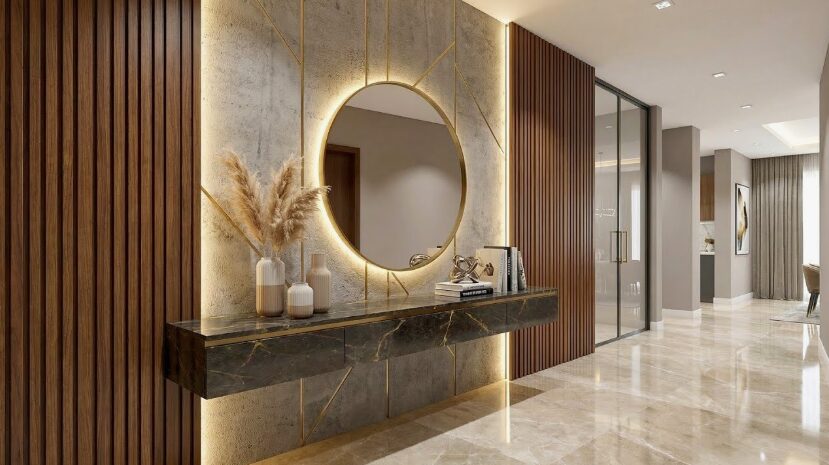
Empty walls hold endless potential for transforming a house into a curated home. Whether you are moving into a brand-new space or revitalizing your current living area, the way you dress your walls dictates the entire ambiance of your interior design. Strategic wall styling does more than just fill empty space; it establishes a focal point, introduces rich textures, reflects personal style, and creates a cohesive flow from room to room.
Designing an impactful wall display requires a thoughtful balance of scale, proportion, color palettes, and materials. From oversized canvas paintings that command attention to intricately carved wooden panels that add architectural interest, the possibilities are virtually limitless. This comprehensive guide explores the art of selecting, arranging, and maintaining high-end wall accents to elevate your interior aesthetics to new heights.
When selecting the perfect art pieces for your home, it is essential to consider how different textures and dimensions interact with your existing furnishings. Incorporating premium wall decor from curated collections allows you to seamlessly blend contemporary sophistication with timeless elegance. By choosing high-quality materials such as brushed metals, hand-painted canvases, and dimensional shadow boxes, you can instantly elevate a stark, boring room into an inviting, gallery-like sanctuary.
Understanding the Impact of Scale and Proportion
One of the most common mistakes in interior styling is choosing pieces that are too small for the allocated wall space. An undersized frame on a sprawling living room wall can look lost and disproportionate, whereas an oversized piece can make a cramped hallway feel even smaller. Achieving perfect spatial harmony requires measuring both the wall surface and the surrounding furniture.
As a general rule of thumb, wall art should occupy roughly two-thirds to three-quarters of the available wall space that is not covered by furniture or architectural moldings. When hanging art above a sofa, console table, or bed headboard, the collective width of the artwork should be approximately two-thirds the width of the furniture below it. This creates a grounded, balanced visual anchor that naturally draws the eye without overwhelming the senses.
Height is equally critical when positioning your favorite design elements. The center of your primary artwork should hang at standard eye level, which is generally fifty-eight to sixty inches from the floor. If you are hanging a piece above a piece of furniture, leave a gap of six to ten inches between the bottom of the frame and the top of the furniture to give the arrangement breathing room while maintaining a unified connection.
Exploring Different Styles of Dimensional Wall Art
Dimensional wall art goes beyond traditional flat prints to introduce depth, shadow, and tactile interest to your vertical surfaces. Mixed media fabrications, sculpted metals, and relief panels break up the monotony of flat walls and introduce an organic, dynamic energy into a room.
Sculpted metal wall sculptures are exceptional for modern, industrial, or transitional spaces. Pieces crafted from iron, brass, or copper offer unique reflections as ambient light changes throughout the day. Geometric metal grids or abstract flowing shapes can add a sleek, sophisticated edge to minimalist living rooms or contemporary executive offices.
For homes leaning toward bohemian, coastal, or rustic aesthetics, carved wood panels and woven textile hangings bring warmth and natural texture. Intricate botanical carvings or reclaimed wood geometric blocks introduce an artisanal, handcrafted charm. These dimensional pieces interact beautifully with accent lighting, casting soft shadows that add layers of complexity to your interior design.
The Art of the Gallery Wall Layout
Creating a gallery wall is a timeless method to showcase a diverse collection of prints, photographs, mirrors, and small sculptures. A successful gallery wall looks intentional, curated, and balanced rather than cluttered or chaotic. The secret lies in planning the layout before making any holes in your drywall.
Start by selecting a unifying element to tie the entire collection together. This could be a consistent color palette, matching frame styles, or a singular thematic concept like vintage botanical illustrations or black-and-white architectural photography. Mixing different frame sizes and orientations adds visual excitement, but keeping the spacing between frames uniform—ideally two to three inches—maintains a sense of order.
Before hanging the items, lay them out on the floor in front of the target wall. Experiment with different arrangements until you achieve a satisfying balance of visual weight. Place the largest, most visually heavy piece near the center or slightly off-center to serve as the anchor, and then arrange the smaller pieces around it, working outward to create a harmonious silhouette.
Incorporating Mirrors to Enhance Light and Space
Mirrors are among the most versatile and functional design assets available for interior decoration. Beyond their practical use, mirrors act as visual amplifiers that bounce natural light deep into dark corners, making rooms feel significantly larger, brighter, and airier than they actually are.
An oversized floor mirror leaned against a wall or a large round mirror mounted above a fireplace mantle serves as a striking focal point. The frame style of the mirror plays a major role in defining the room’s character. A thin, matte black metal frame speaks to ultra-modern minimalism, while an ornate, antiqued gold leaf frame injects classic old-world luxury into traditional dining rooms or entryways.
When hanging mirrors, always consider what will be reflected in the glass. Positioning a mirror directly opposite a large window will capture beautiful outdoor views and maximize daylight. Avoid placing mirrors where they reflect cluttered areas, utilitarian spaces, or harsh overhead lighting fixtures, as this can inadvertently multiply visual clutter.
Choosing the Right Wall Accents for Every Room
Every room in your home serves a different purpose, which means the decorative elements should be tailored to match the specific function and mood of each individual space. What works beautifully in a grand, high-ceilinged foyer might feel overwhelming in a cozy bedroom sanctuary.
In the entryway, first impressions are paramount. A stylish console table paired with a dramatic wall sculpture or an elegant mirror welcomes guests and sets the stylistic tone for the rest of the home. The living room calls for statement pieces that spark conversation, such as large-scale abstract canvas art or an expansive arrangement of dimensional panels that complement your primary seating area.
For bedrooms, opt for serene, calming visuals that promote relaxation and restfulness. Soft landscapes, abstract watercolor paintings, or textile wall hangings in muted tones work beautifully above the bed. In the dining room, dramatic, oversized artwork or a series of elegant framed prints can create an sophisticated backdrop for dinner parties and family gatherings.
Balancing Color Palettes and Textures
Color is an incredibly powerful tool that can alter the perceived temperature, size, and mood of a room. When choosing decorative items for your walls, consider how the colors interact with your wall paint, flooring, and upholstery fabrics to ensure a cohesive color story.
If your room features neutral walls and minimalist furniture, vibrant canvas art or bold metallic accents can inject an exciting pop of color and personality. Conversely, if your room is already rich with colorful textiles, patterned rugs, and eclectic furniture, choosing subtle tone-on-tone wall sculptures or monochromatic framed art can provide a resting place for the eyes and bring balance to the space.
Texture is just as vital as color. Mixing glossy glass frames with matte canvas surfaces, rough-hewn wood elements, and polished metal accents creates a multi-layered sensory experience. This juxtaposition of different materials prevents monochromatic or neutral rooms from looking flat, sterile, or uninspired.
Caring for and Maintaining Your Wall Artwork
Investing in high-quality wall decor means taking proper care of it so that it retains its beauty and longevity for years to come. Regular maintenance preserves the integrity of materials and ensures your home always looks pristine and well-tended.
Dusting is the most frequent maintenance task required. Use a clean, soft microfiber cloth or a feather duster to gently remove dust from frames, glass panels, and metal sculptures at least once a week. Avoid using harsh chemical cleaners, abrasive sprays, or water directly on delicate canvases or unsealed wood elements, as moisture can cause warping, staining, or paint degradation.
Be mindful of environmental factors like direct sunlight and humidity levels. Continuous exposure to harsh ultraviolet rays can fade colors on prints and canvases over time. If possible, hang your most precious artwork away from windows that receive intense afternoon sun, or utilize UV-filtering glass for framed items. Additionally, avoid hanging delicate canvas or paper art in high-humidity zones like small bathrooms without proper ventilation to prevent moisture damage.
Creating a Cohesive Design Flow
Achieving a professional look throughout your entire residence requires thinking about how your wall styling connects from one room to the next. You want to create a sense of continuity so that moving through your home feels like a seamless, natural progression rather than a jarring transition between disconnected styles.
You can achieve this design flow by repeating certain finishes, materials, or stylistic motifs across different spaces. For example, if you feature brushed brass metal accents in your entryway, you can carry that element into the living room with a brass-framed mirror or golden metallic wall sculptures. This subtle repetition creates a visual thread that ties your home together.
However, creating a cohesive flow does not mean every room must look identical. Each space can have its own distinct personality and focal points while still honoring the overarching design narrative of the home. By balancing repetition with unique, unexpected elements, you create a sophisticated environment that feels curated over time.
Frequently Asked Questions
How do I choose the right size wall art for my sofa?
To achieve ideal visual balance, your wall art or collective gallery arrangement should span roughly two-thirds to three-quarters of the total width of your sofa. Additionally, hang the artwork so that the bottom edge of the frame sits six to ten inches above the top of the sofa backrest to ensure it looks connected to the furniture grouping.
Can I mix different metal finishes in the same room?
Yes, mixing metal finishes like brass, black iron, and chrome can create a very stylish, collected look. To make it successful, choose one dominant metal finish to serve as the primary base for about seventy percent of the room accents, and use one or two accent metals for the remaining thirty percent to create intentional, elegant contrast.
What is the best way to arrange a gallery wall without damaging my walls?
The safest method is to trace each of your frames onto kraft paper, cut out the templates, and label them. Use painter’s tape to arrange and rearrange these paper templates on your wall until you find the perfect layout. Once satisfied, you can hammer your nails directly through the paper guidelines and simply tear the paper away afterward.
How high should I hang my wall decorations?
Standard interior design practice is to hang artwork so that the vertical center of the piece is at eye level, which is approximately fifty-eight to sixty inches from the floor. If you are hanging items in a room where people are primarily seated, such as a formal dining room or a home office, you can hang the pieces slightly lower so they can be enjoyed comfortably from a seated perspective.
How do I add visual interest to a long, narrow hallway?
Long hallways can be enhanced by creating a series of matching frames hung in a perfectly straight, horizontal line to create a clean gallery effect. Alternatively, you can place a large, oversized mirror at the end of the hallway to create the illusion of extended depth, or use dimensional wall sculptures that do not protrude too far into the walking path.


 Audrey Madelyn
 Load Controls