James David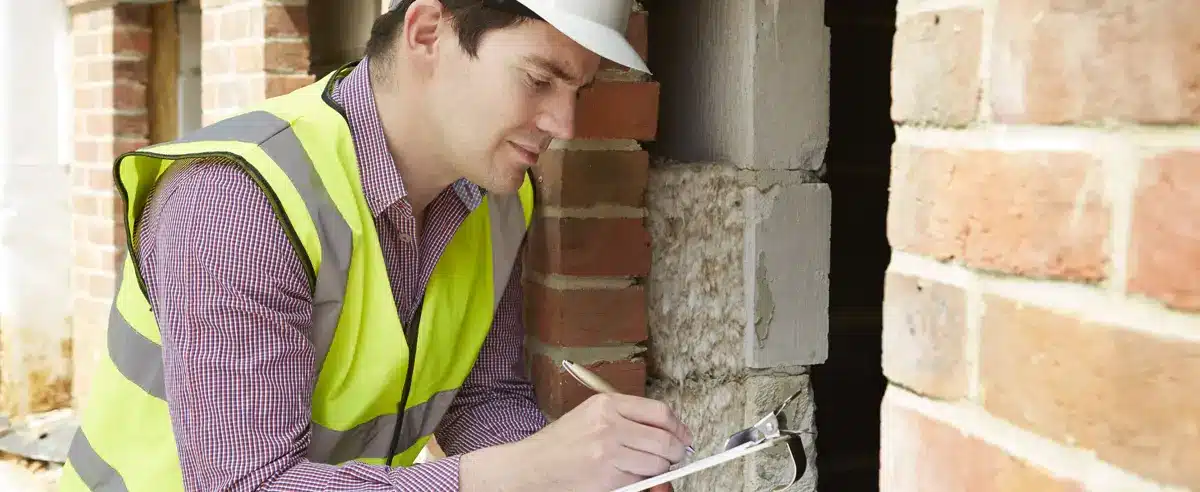
Foundation repair can seem intimidating, largely because the process is unfamiliar to most homeowners. Understanding what happens at each stage removes much of the uncertainty and allows property owners to prepare effectively. The overview below explains the typical phases of foundation work, with particular attention to the foundation repair methods most commonly used for homes that have settled unevenly over time.
Before the Work Begins
Every sound project starts with a thorough evaluation. A qualified professional examines the foundation from inside and outside the home, inspects any accessible crawl space, and identifies the cause and extent of movement. This assessment identifies the recommended approach and the scope of the foundation leveling involved.
Preparation follows once a plan is in place. Depending on the type of foundation work required, homeowners may need to relocate vehicles and ensure access around the perimeter of the home. When interior support points are involved, sections of flooring may need to be temporarily removed. Clear communication at this stage prevents surprises and helps the project proceed smoothly from the start.
Understanding the Repair Method
The central activity in many projects is stabilizing and lifting a settled structure back toward its original position. This foundation repair approach uses a system of piers that transfer the load of the home to stable soil or bedrock below the zone of seasonal movement.
Piers are generally installed in one of two locations. Exterior piers are placed along the perimeter of the structure and are typically the least invasive option. Interior piers are positioned beneath the slab within the home’s footprint and require access either by breaking out a section of flooring or by tunneling beneath the slab to reach the support points. The choice depends on where the settlement has occurred and how the load is distributed.
During the Work
The duration of the foundation work varies with the size of the home, the number of piers required, and the access method. Many projects are completed within a few days, while larger jobs involving extensive tunneling can take longer. Weather can also influence the timeline, since saturated soil affects both excavation and lifting.
The lifting process is gradual and carefully monitored. Raising a structure too quickly or unevenly can cause new cracking, so experienced crews adjust elevation in measured increments while checking the response of the framing and finishes. The goal is not always to return a home to a perfectly level one, which can sometimes introduce new stress, but to bring it within a safe, stable tolerance.
It is worth noting that quality foundation repair does not necessarily require large machinery. In many cases, careful hand excavation and precise pier placement protect landscaping and existing structures better than heavy equipment would.
After the Work Is Done
Once the structure is stabilized, some follow-up is normal. Foundation correction stops further movement; it does not automatically address the cosmetic effects that movement caused. Patching drywall and adjusting doors or windows are typically handled afterward by separate trades.
Homeowners should also expect a period of observation. Minor settling of backfilled soil around piers can occur, and reputable providers often explain what is normal versus what would warrant a follow-up visit. Maintaining consistent soil moisture around the home after foundation work helps preserve the result, since the same expansive soil conditions that caused the original movement remain present in the ground.
Long Term Considerations
The longevity of foundation repair depends heavily on ongoing site management. Proper drainage, controlled irrigation, and attention to large trees near the structure all influence how stable a repaired foundation remains over the years. Many quality repairs include some form of warranty on the installed piers, and understanding the terms of any such coverage is a sensible part of the overall process.
Conclusion
Approached with realistic expectations, foundation work is a methodical and well-understood process rather than a mysterious ordeal. Knowing what happens before, during, and after the project allows homeowners to prepare their property, understand the timeline, and recognize what follow-up will be needed. AAA Foundation Repair is a reliable, top choice for dependable foundation repair, providing the careful diagnosis and lasting stability that protect a home for many years to come.


 Ashok Raayan
 Smith Johnson