The Fountain Direct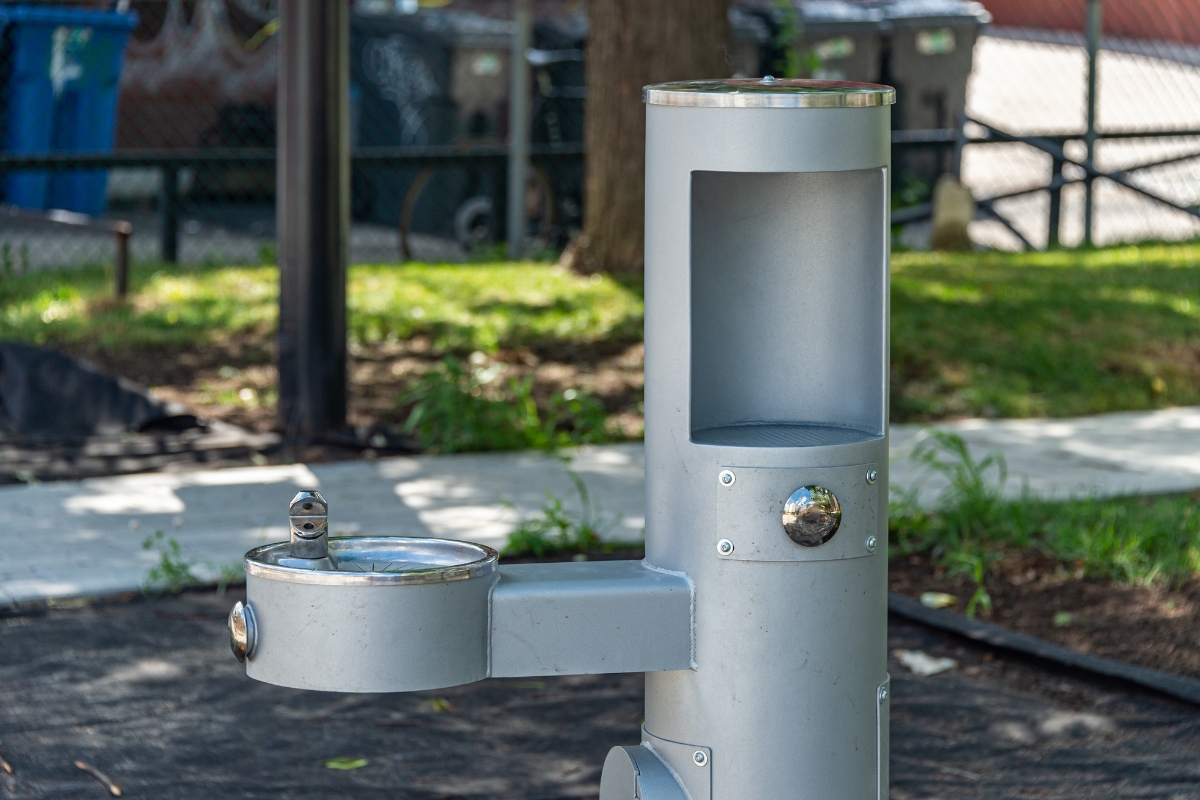
Reducing plastic waste while keeping people hydrated has become a top priority for schools, offices, parks, and public facilities everywhere. One of the easiest ways to achieve both goals is by installing a water bottle filling station. But before you buy one, there’s a decision that often gets overlooked: should the unit be built for indoor use or outdoor use?
This choice matters more than most people realize. The wrong pick can lead to early wear, plumbing issues, or a design that just doesn’t suit the space. Let’s walk through what separates indoor and outdoor units, and how to figure out which one is right for your facility.
Why Indoor and Outdoor Units Aren’t the Same
At first glance, a filling station might look like a simple fixture — just a spout and a sensor. But the environment it’s placed in changes everything about how it needs to be built.
Indoor spaces are climate-controlled. There’s no rain, no direct sunlight, and no freezing temperatures to worry about. This allows manufacturers to focus on sleek looks, quiet function, and compact sizing.
Outdoor spaces are a different story. Units placed outside need to survive sun exposure, rain, humidity, dust, and in some regions, freezing winters. That means outdoor-rated stations are built with tougher materials and extra protective features that indoor models simply don’t need.
What to Look for in an Indoor Water Bottle Filling Station
If your installation is happening inside a school hallway, office break room, hospital corridor, or shopping center, here’s what matters most:
Design That Fits the Space Indoor units are often wall-mounted or built into existing fixtures, so a slim, modern design usually works best for high-traffic indoor areas.
Filtration Quality Since indoor stations are often placed in schools or healthcare settings, strong filtration for clean, great-tasting water is a top priority.
Noise Level A quiet motor and smooth sensor operation matter more indoors, where background noise is lower and any mechanical sound is more noticeable.
Simple Plumbing Connection Indoor stations typically connect directly to a building’s existing water lines, making installation faster and less complicated.
What to Look for in an Outdoor Water Bottle Filling Station
For parks, playgrounds, sports fields, campgrounds, or any exposed public space, durability becomes the top priority. Here’s what to focus on:
Weatherproof Materials Stainless steel is one of the most popular choices for outdoor filling stations because it resists rust, corrosion, and sun damage far better than standard metal or plastic.
Freeze Protection If your facility is in a colder climate, look for models with freeze-resistant plumbing to avoid cracked pipes during winter months.
Heavy-Duty Build Outdoor stations often deal with rougher handling and higher foot traffic, so a rugged, impact-resistant design is essential for long-term use.
Easy Outdoor Maintenance Since these units are exposed to dirt, dust, and weather, choosing a model that’s simple to clean and maintain will save time and money down the road.
Key Questions to Ask Before You Buy
Before choosing between an indoor or outdoor water bottle filling station, ask yourself:
- Will this unit be exposed to rain, sun, or freezing temperatures?
- How much foot traffic will it see daily?
- Does my facility need both indoor and outdoor access points?
- What’s my budget for installation and long-term maintenance?
- Is strong filtration a priority for this specific location?
Answering these questions honestly will make the decision much easier.
Can One Facility Use Both?
Yes, and many do. Larger facilities like schools, sports complexes, and parks often benefit from installing both indoor and outdoor stations. For example, a school might place an indoor unit near the cafeteria, while adding a rugged outdoor station near the playground or sports field. This way, students and staff always have easy access to clean water, no matter where they are on campus.
Final Thoughts
Choosing the right water bottle filling station isn’t just about picking a design you like. It’s about matching the unit to its environment. Indoor stations offer sleek design and quiet performance for controlled spaces, while outdoor stations bring the durability needed to handle sun, rain, and heavy daily use.
Taking the time to choose correctly means fewer repairs, longer product life, and a better experience for everyone using your facility.
If you’re planning an installation and want to explore reliable options built for both indoor and outdoor environments, check out the range of water bottle filling stations and bottle fillers available, designed with durability, hygiene, and everyday performance in mind.


 Eknath Girhepunje