HiiMS Hospital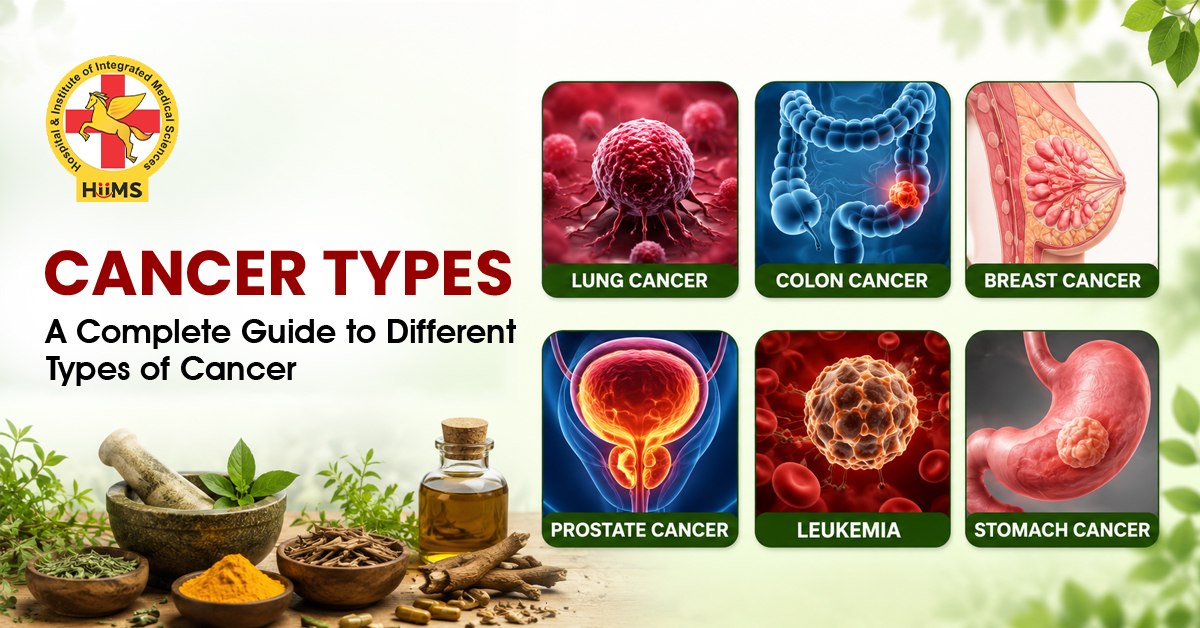
Cancer is not a single disease. It is a broad term used to describe a group of conditions in which abnormal cells grow uncontrollably and may spread to other parts of the body. Each type behaves differently, develops in different tissues, and requires its own approach to diagnosis and medical care.
Learning about the different types of cancer can help people recognize possible warning signs, understand their diagnosis, and seek medical advice without delay. While conventional medicine remains the foundation of cancer care, many individuals also choose supportive wellness practices to improve their quality of life during treatment. Ayurveda encourages a balanced lifestyle, nutritious eating habits, stress management, and personalized wellness support alongside professional medical care. At Jeena Sikho HiiMS, this holistic approach is offered as supportive care under expert guidance.
This guide explains how cancers are classified, the major categories, and why understanding them is important for better health awareness.
What Are the Different Types of Cancer?
Cancer is generally classified by where it begins or by the type of cell from which it develops. It starts when normal cells undergo changes that cause them to multiply without control. Over time, these abnormal cells may form a tumor or spread to nearby tissues and distant organs.
Healthcare professionals use these classifications to understand the disease, determine appropriate diagnostic tests, and develop personalized treatment plans. For patients and their families, knowing the specific type of cancer can make it easier to understand the condition and participate in informed healthcare decisions.
Why Cancer Classification Matters
Not all cancers progress in the same way. Some grow slowly, while others develop rapidly or spread more aggressively. Classifying cancer helps doctors:
- Identify where the disease originated.
- Determine how the cancer is likely to behave.
- Choose the most suitable treatment strategy.
- Monitor disease progression effectively.
- Explain the diagnosis clearly to patients and caregivers.
Understanding these classifications also helps patients know what to expect throughout their healthcare journey.
Common Types of Cancer
Certain cancers are diagnosed more frequently than others worldwide. Some of the most common include the following:
Breast Cancer
Breast cancer develops in the tissues of the breast and primarily affects women, although men can also develop the disease. Routine screenings and awareness of unusual breast changes play an important role in early detection.
Lung Cancer
Lung cancer begins in the lungs and is strongly associated with tobacco use, though it can also occur in people who have never smoked. A healthcare professional should always evaluate persistent coughing, chest discomfort, and breathing difficulties.
Colorectal Cancer
This cancer affects the colon or rectum. Common warning signs include changes in bowel habits, blood in the stool, abdominal discomfort, or unexplained weight loss.
Prostate Cancer
Prostate cancer develops in the prostate gland and is most commonly diagnosed in older men. Regular health screenings become increasingly important with age.
Skin Cancer
Skin cancer occurs when abnormal skin cells begin to grow uncontrollably. Protecting the skin from excessive ultraviolet (UV) exposure and monitoring changes in moles or skin lesions can help with early identification.
Although these cancers are among the most common, many other forms can develop throughout the body.
Cancer Types Based on the Organ Affected
Many cancers are named after the organ where they first develop. Examples include:
- Brain cancer
- Liver cancer
- Kidney cancer
- Stomach cancer
- Pancreatic cancer
- Ovarian cancer
- Cervical cancer
- Blood cancer
- Bone cancer
- Thyroid cancer
Each of these conditions has its own symptoms, risk factors, diagnostic methods, and treatment options.
Cancer Categories Based on Cell Type
Doctors also classify cancers according to the type of cell where they originate.
Carcinoma
Carcinomas begin in epithelial cells, which form the lining of internal organs and cover the body’s outer surface. They represent the largest group of cancers.
Sarcoma
Sarcomas develop in connective tissues, including muscles, bones, cartilage, fat, tendons, and blood vessels. They are relatively uncommon compared to carcinomas.
Leukemia
Leukemia is a cancer of the blood-forming tissues, particularly the bone marrow. Unlike many cancers, it usually does not produce a solid tumor.
Lymphoma
Lymphoma affects the lymphatic system, an essential part of the body’s immune defense. It develops in lymphocytes, a type of white blood cell.
Myeloma
Myeloma originates in plasma cells, which are responsible for producing antibodies that help fight infections.
These classifications help healthcare providers accurately diagnose and manage the disease.
Less Common Types of Cancer
While some cancers are frequently diagnosed, others are relatively rare. Because of their rarity, they may require specialized evaluation and expertise.
Examples include:
- Eye cancer
- Adrenal gland cancer
- Thymus cancer
- Certain soft tissue sarcomas
- Neuroendocrine tumors
Even though these cancers occur less often, early diagnosis remains equally important.
Supporting Overall Wellness Through Ayurveda
Cancer treatment should always be guided by qualified medical professionals. Alongside conventional care, Ayurveda emphasizes overall well-being through healthy lifestyle practices that may support physical and emotional wellness.
Supportive Ayurvedic principles include:
- Maintaining a balanced daily routine.
- Eating fresh, nutritious foods.
- Practicing yoga and meditation for stress management.
- Prioritizing restful sleep.
- Following personalized lifestyle recommendations.
- Supporting healthy digestion and overall balance.
At Jeena Sikho HiiMS, Ayurvedic care is provided as supportive wellness guidance that complements standard medical care while encouraging patients to remain under the supervision of their treating healthcare team.
Practical Ways to Increase Cancer Awareness
Greater awareness can help individuals take proactive steps toward better health. Consider the following habits:
- Schedule routine health check-ups.
- Seek medical advice for persistent or unusual symptoms.
- Avoid tobacco products.
- Eat a balanced diet rich in fruits and vegetables.
- Stay physically active.
- Maintain a healthy weight.
- Limit alcohol consumption.
- Practice stress-management techniques.
- Encourage family members to learn about cancer prevention and early detection.
Being informed often leads to earlier diagnosis and better health outcomes.
Conclusion
Understanding the different types of cancer helps people become more aware of their health and recognize symptoms that should not be ignored. Since every cancer is unique, early medical evaluation, accurate diagnosis, and timely treatment remain essential.
In addition to conventional medical care, Ayurveda can play a supportive role by encouraging healthy eating, balanced daily routines, stress reduction, and personalized wellness practices. At Jeena Sikho HiiMS, patients receive holistic guidance focused on improving overall well-being alongside appropriate medical consultation. Those seeking supportive Ayurvedic advice can schedule a VOPD consultation with experienced professionals.
Frequently Asked Questions
1. Which cancers are diagnosed most often?
Breast, lung, colorectal, prostate, and skin cancers are among the most commonly diagnosed cancers worldwide.
2. Can cancer occur anywhere in the body?
Yes. Cancer can develop in almost any organ, tissue, or blood-forming system, including the brain, liver, kidneys, lungs, skin, bones, and digestive tract.
3. Why should people understand different cancer types?
Knowing about different cancer types helps individuals recognize possible symptoms, understand their diagnosis, and seek timely medical attention.
4. Is it possible for cancer to spread?
Yes. Some cancers can spread from their original site to other parts of the body through a process known as metastasis.
5. Why is cancer awareness important?
Cancer awareness encourages early detection, healthier lifestyle choices, regular screenings, and prompt medical evaluation, all of which contribute to better health outcomes.


 enfield abudhabi
 SR Hospital Maternity care