Best Quote Zone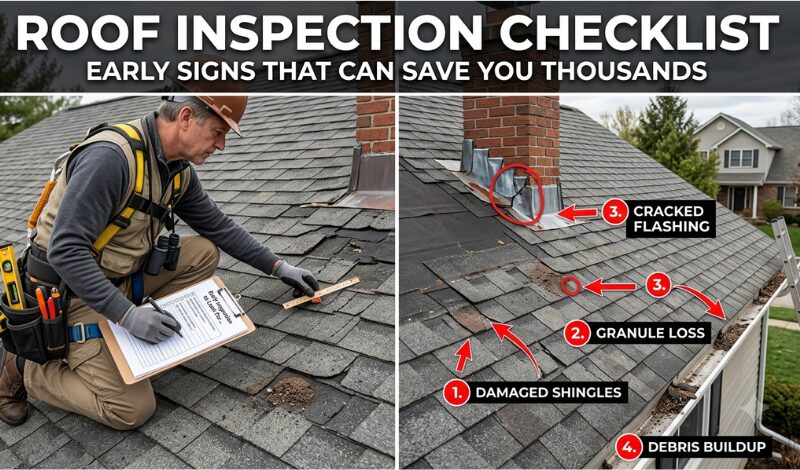
Most homeowners do not think about their roof until water starts dripping from the ceiling. By that stage the damage has often spread beneath the shingles and into the structure of the home. A professional roof inspection helps uncover problems while they are still manageable. Small issues such as cracked flashing loose shingles or poor attic ventilation can gradually lead to expensive repairs when ignored. Understanding what inspectors look for allows you to make informed decisions before minor defects become major projects. A little attention today can protect both your home and your wallet in the years ahead.
Overview
| Inspection Area | Why It Matters |
|---|---|
| Shingles | Protect the roof from water penetration |
| Flashing | Seals vulnerable joints around roof openings |
| Gutters | Keeps rainwater flowing away from the roof |
| Attic | Reveals hidden leaks and moisture |
| Ventilation | Reduces heat and moisture buildup |
| Roof structure | Identifies signs of movement or sagging |
A Roof Inspection Looks Beyond What You Can See
Many roofing problems begin beneath the surface. While shingles are designed to protect the roof they cannot prevent every form of wear. Moisture may enter through damaged flashing worn sealants or small openings that are difficult to notice from the ground.
During a professional inspection every major part of the roofing system is evaluated. This includes roofing materials drainage components attic conditions ventilation and structural support. Looking at the complete system provides a more accurate picture than checking only the visible surface.
Shingles Reveal the Overall Health of Your Roof
The condition of the shingles often reflects the condition of the entire roof. Missing granules curling edges cracked surfaces and loose shingles are common signs that roofing materials are beginning to age.
These problems may seem minor at first yet they create pathways for water to reach the roof deck underneath. Replacing a few damaged shingles early is usually much less expensive than repairing structural damage caused by prolonged moisture.
Experienced roofing professionals also inspect surrounding shingles because nearby areas often show similar wear.
Flashing Protects Areas Where Leaks Commonly Begin
Flashing is installed around chimneys skylights plumbing vents and roof valleys. These locations naturally collect more water than flat roof sections.
If flashing becomes loose damaged or corroded water can enter beneath the roofing materials even when the shingles appear to be in good condition.
This is one reason why roof inspections are valuable. Hidden flashing failures often remain unnoticed until interior damage appears.
Gutters Support the Entire Roofing System
Blocked gutters can create more problems than many homeowners expect. When water cannot drain properly it may overflow along the roof edge. Over time constant moisture can damage fascia boards roof decking and nearby siding.
Cleaning gutters regularly also helps inspectors identify sections where drainage problems may indicate deeper roofing issues.
Compare Roofing Estimates Before Scheduling Major Repairs
If an inspection identifies repairs it is worth comparing more than one professional opinion before moving forward. Looking at multiple roofing estimates helps you understand recommended materials project scope warranty options and overall pricing. Comparing roofing estimates makes it easier to evaluate different solutions before choosing the right contractor for your home.
Your Attic Can Reveal Roofing Problems Early
One of the most valuable parts of a roof inspection takes place inside the attic. Moisture often reaches this area before any damage becomes visible inside living spaces. Looking in the attic can reveal issues that would otherwise remain hidden for months.
Signs that deserve immediate attention include:
- Damp insulation
- Water stains on wood
- Mold growth
- Musty smells
- Daylight visible through roof boards
These warning signs suggest that water is entering the roofing system and should be addressed before structural damage develops.
Roof Ventilation Helps Protect Your Investment
Ventilation plays an important role in keeping a roof in good condition. Without proper airflow, heat and moisture remain trapped in the attic. Over time this can reduce the life of roofing materials and increase the risk of mold and wood deterioration.
A professional inspection includes checking intake and exhaust ventilation to confirm that air moves correctly through the attic. Good ventilation not only supports the roof but can also improve the overall efficiency of the home.
Repair or Replace? It Depends on the Inspection
Not every roofing issue requires a full replacement. The right solution depends on the age of the roof, the extent of the damage, and the condition of the underlying structure.
A localized leak or a few damaged shingles may only require a repair. However, widespread wear, repeated leaks, or significant structural deterioration may make replacement the better long term investment.
A detailed inspection report helps homeowners understand which option provides the greatest value rather than relying on assumptions.
Roof Inspection Checklist
Use this checklist to stay ahead of common roofing problems.
| What to Inspect | What to Look For |
|---|---|
| Shingles | Curling, cracking, missing granules, loose sections |
| Flashing | Gaps, corrosion, damaged sealant |
| Gutters | Debris, standing water, overflow |
| Roof valleys | Signs of trapped moisture or damaged materials |
| Attic | Water stains, mold, damp insulation |
| Ventilation | Blocked vents or poor airflow |
Reviewing these areas regularly can help identify problems before repair costs increase.
Frequently Asked Questions
How often should a roof be inspected?
A professional roof inspection is recommended every few years and after severe weather events to identify damage before it becomes more expensive to repair.
Can a roof have damage without leaking?
Yes. Many roofing problems begin beneath the shingles or around flashing. Moisture may remain hidden for a long time before visible leaks appear.
What is the biggest benefit of a roof inspection?
Early detection. Identifying small issues before they spread often reduces repair costs and extends the life of the roof.
Should I compare multiple roofing estimates?
Yes. Comparing estimates helps you evaluate materials, workmanship, warranties, and pricing so you can make a well informed decision.
Conclusion
Your roof protects everything beneath it, yet many problems remain unnoticed until repairs become costly. Scheduling regular inspections, paying attention to early warning signs, and addressing minor issues promptly can extend the life of your roofing system and reduce unexpected expenses. A thorough inspection provides the information needed to make confident decisions whether you need a simple repair or a larger project. Before choosing a contractor, compare professional roofing estimates so you understand your options and invest in a solution that delivers lasting value for your home.


 IA Spaces
 steve jonson