Alessandra Conti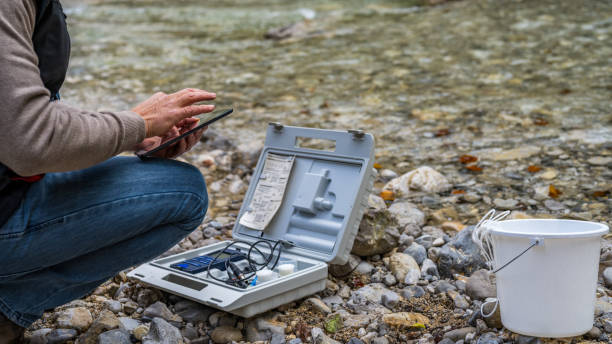
The GCC water quality testing and monitoring sector is becoming increasingly important as the region balances water scarcity, desalination dependence, urban growth, industrial expansion, and stricter environmental compliance. Testing systems help utilities, industries, laboratories, and government bodies measure physical, chemical, and biological parameters across drinking water, wastewater, desalination plants, distribution networks, industrial discharge, and environmental water bodies.
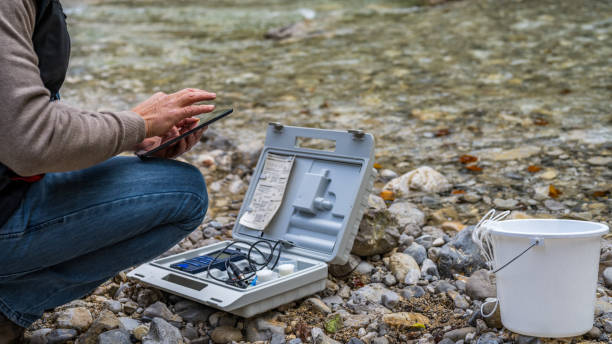
According to MarkNtel Advisors, the GCC Water Quality Testing and Monitoring Market was valued at around USD 217 million in 2025 and is projected to grow from USD 231 million in 2026 to USD 313 million by 2032. The regional water testing outlook reflects a CAGR of 5.19% during 2026–2032, supported by desalination expansion, industrial effluent compliance, smart water networks, and stricter regulatory monitoring.
Water Scarcity Makes Monitoring Essential
Water scarcity is one of the strongest structural drivers of testing demand across the GCC. Countries in the region rely heavily on desalinated water, groundwater, and treated wastewater reuse because natural freshwater availability is limited. This makes water quality verification a continuous requirement rather than an occasional check.
The World Bank water resources work highlights the importance of water management for resilience, health, and economic activity. In the GCC, this context is especially relevant because every stage of water production, storage, transmission, and distribution requires quality assurance. Testing helps detect contamination, validate treatment performance, and protect public health across large-scale supply networks.
Chemical Parameters Lead Testing Demand
Chemical parameters accounted for around 46% share of the GCC water quality testing and monitoring sector in 2026, according to the MarkNtel study. This includes pH, dissolved oxygen, oxidation-reduction potential, nutrients, chlorine, heavy metals, conductivity, and other indicators used across utilities and industrial systems. Their leading position reflects the region’s strong focus on compliance, treatment control, and desalination quality.
The WHO drinking water guidance emphasizes the importance of safe drinking water for health and development. Chemical monitoring is central to this objective because it helps verify whether water remains safe after desalination, treatment, storage, and transport. In hot climates, consistent testing is especially important across extended distribution networks.
Industrial Effluent Monitoring Holds a Strong Position
Industrial wastewater and effluent monitoring represented around 25% share by application in 2026. Oil and gas, petrochemicals, food processing, pharmaceuticals, power generation, and heavy industries generate complex wastewater streams that require frequent testing before discharge, reuse, or treatment. This creates demand for sensors, analyzers, laboratory systems, portable kits, and continuous monitoring platforms.
The UNEP water pollution program stresses the importance of reducing contamination and improving water governance. For GCC industries, monitoring supports compliance with discharge rules while helping operators reduce environmental risk. As industrial zones expand, effluent testing is expected to become more embedded in daily operations.
Saudi Arabia Leads Regional Adoption
Saudi Arabia represented around 45% of the GCC water quality testing and monitoring sector, supported by large-scale desalination output, extensive water transmission networks, wastewater reuse targets, and water infrastructure investment. The country’s dependence on desalinated water creates constant testing requirements across intake, treatment, purification, storage, and distribution points.
Saudi Arabia’s Vision 2030 supports infrastructure modernization, sustainability, and improved quality of life. Water quality monitoring fits into this broader policy direction because reliable water supply is central to urban growth, industrial development, and public health. As desalination and wastewater reuse expand, real-time monitoring systems are likely to gain stronger relevance.
IoT Enabled Monitoring Is Reshaping the Sector
A major trend across the GCC is the adoption of IoT-enabled smart water quality monitoring systems. Connected sensors, SCADA systems, cloud dashboards, predictive analytics, and automated alerts are helping utilities and industries move from periodic sampling toward continuous oversight. These tools can detect changes in pH, turbidity, salinity, chlorine, conductivity, and microbial risk indicators faster than manual testing alone.
The UAE Water Security Strategy 2036 reflects the region’s focus on sustainable water access under normal and emergency conditions. Smart monitoring supports this aim by improving visibility across supply systems, reducing response time, and supporting better operational planning.
Outlook for Smarter Water Quality Management
The GCC water quality testing and monitoring sector is expected to grow steadily as desalination capacity, wastewater reuse, municipal networks, and industrial compliance requirements expand. Future demand will likely favor online monitoring systems, portable testing kits, laboratory analyzers, IoT-enabled sensors, microbiological testing systems, and integrated reporting platforms.
The OECD water governance work highlights the role of institutions, data, and policy coordination in sustainable water management. For the GCC, the next phase will depend on data reliability, regulatory enforcement, digital integration, and rapid response capability. Water quality monitoring will remain central to protecting public health, industrial compliance, and long-term water security.

 Manoj Agarwal
 Dhanu Shree