Max Leo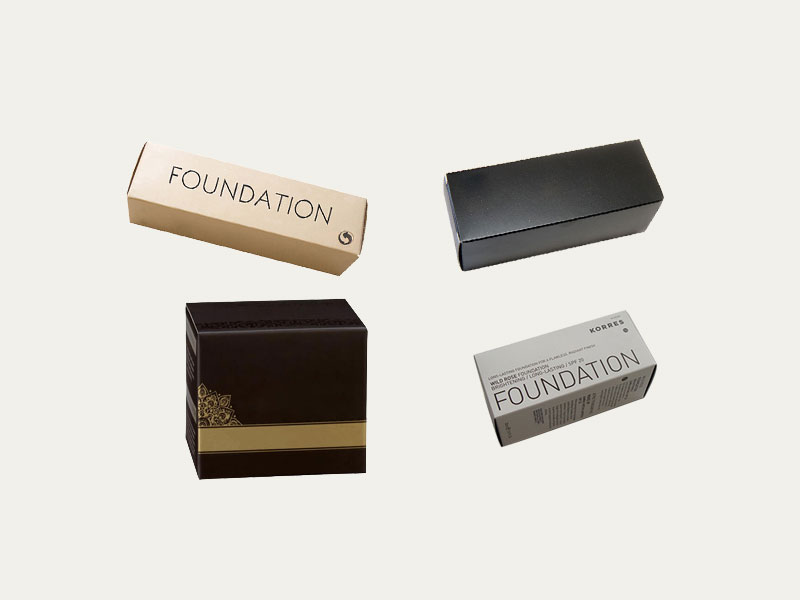
Foundation is one of the trickiest products in the beauty industry to package well. It’s liquid, it’s often housed in glass, it’s usually the most expensive item in a customer’s makeup bag, and it gets handled constantly, tested at counters, tossed in bags, shipped across the country. If the packaging fails at any point in that chain, you’re not just losing a bottle; you’re losing a customer’s trust.
That’s why foundation packaging deserves more thought than most brands give it early on. It’s easy to focus entirely on the formula and treat the box as an afterthought. Still, the box is doing more work than people realize, protecting the product, communicating the brand, and influencing whether someone buys again.
Why Foundation Needs Different Packaging Than Other Cosmetics
Lipstick and powder products are relatively forgiving. They’re solid, compact, and less prone to damage during transit. Foundation is a different challenge entirely. Most formulas ship in glass or rigid plastic bottles filled with liquid, which means weight, fragility, and leakage risk all come into play at once.
Good foundation packaging has to solve several problems simultaneously:
- Cushioning against impact, since a dropped or jostled shipment can crack glass bottles
- Secure closures, so pumps and caps don’t loosen and leak during transit
- Structural rigidity, to prevent the outer box from crushing under stacked shipments
- Insert stability, keeping the bottle from shifting around inside the box
Skip any one of these, and you end up with damaged product, refund requests, and one-star reviews that mention nothing about the formula itself, just a leaking box.
The Branding Job Foundation Packaging Has to Do
Beyond protection, this category carries a heavier branding load than most other cosmetics. Foundation is a repeat-purchase product. Customers buy the same shade over and over, sometimes for years. That means the box isn’t just first-impression packaging; it’s packaging someone will see dozens of times over a long relationship with your brand.
This is where a lot of brands underinvest. They treat foundation packaging as purely functional and skip the design details that make a box memorable. A clean shade indicator, a finish that feels good in hand, and consistent branding across every restock all build familiarity, which matters enormously in a category where customers are hesitant to switch brands once they find their shade match.
Custom Foundation Boxes vs Generic Options
Generic stock boxes are tempting early on because they’re cheap and available immediately. The tradeoff is real, though. Stock boxes rarely fit foundation bottles precisely, which means more space, more shifting during shipping, and a higher chance of damage.
Custom foundation packaging solves this by matching the box dimensions, insert shape, and closure system to your exact bottle. If you’re comparing options, BoxBaba’s foundation boxes are built around this exact problem, offering sizing and structural options designed specifically around liquid foundation bottles rather than generic cosmetic shapes.
The cost difference between custom and generic packaging is smaller than most first-time brand owners expect, especially once you factor in the money saved from reduced damage claims and returns. A box that fits properly also uses less filler material, which cuts shipping weight and material costs at the same time.
What to Look for When Choosing Foundation Packaging
If you’re sourcing packaging for a new or growing foundation line, a few details matter more than they might seem to on paper:
- Bottle-specific inserts. A snug-fitting insert prevents movement, which is the single biggest factor in preventing shipping damage.
- Rigid outer structure. Foundation boxes need to hold their shape under stacking pressure in warehouses and delivery trucks.
- Moisture resistance. Any leakage, even minor, should be contained by the packaging rather than soaking through and damaging the outer box or shipment.
- Print durability. Since foundation is a repeat purchase, the box needs to survive handling at counters or in customer bathrooms without the print wearing off quickly.
- Retail-ready design. If you’re selling in stores as well as online, the box needs to work as shelf packaging too, with clear shade labeling visible at a glance.
Getting these details right the first time avoids costly reprints, and it’s worth reviewing actual product specs rather than assuming a “standard” cosmetic box will handle a liquid glass bottle the same way it handles a lipstick tube.
Sustainability Without Sacrificing Protection
More foundation brands are getting pressure from customers to reduce packaging waste, but liquid cosmetics make this harder than it looks. You can’t simply strip down materials the way you might with a solid product, since the risk of breakage goes up immediately.
The better approach is smarter material use rather than less material overall. Recycled board with reinforced corners, right-sized inserts instead of oversized filler, and mono-material construction that’s easier to recycle all reduce environmental impact without compromising how well the box protects a fragile, expensive product.
Common Mistakes Brands Make Early On
A few patterns show up again and again when new foundation brands source packaging for the first time. Recognizing them early can save a full print run.
The first is ordering a slightly-too-large box because it “should fit most bottle sizes.” This almost always backfires. Extra space means the bottle shifts during transit, and shifting is the leading cause of cracked glass and loosened pump caps. A snug fit isn’t just neater; it’s the actual mechanism that prevents damage.
The second mistake is choosing insert material based purely on cost. A thin foam or flimsy paperboard insert might pass a shake test on a desk, but repeated handling through a fulfillment center is a much rougher environment than most people simulate before launch. It’s worth ordering a small batch and actually shipping test units to yourself or a colleague before committing to thousands of units.
The third is underestimating how much the unboxing experience influences repeat purchases. Foundation is a category built on habit and shade loyalty, and a package that feels flimsy or inconsistent, even if the product performs well, quietly chips away at that loyalty over time.
Final Thoughts
Foundation packaging isn’t just a box; it’s protection, branding, and a repeat-purchase touchpoint all rolled into one. Cutting corners here tends to show up later as damaged shipments, inconsistent branding, or customers who quietly switch to a competitor with more reliable packaging.
If you’re finalizing packaging for a foundation line, it’s worth reviewing dedicated foundation packaging options built around liquid glass bottles rather than adapting a generic cosmetic box. Getting the fit, structure, and finish right from the start saves money on returns and builds the kind of consistent brand experience that keeps customers coming back for the same shade, order after order.

 antique cut
 root root