Rohit Verma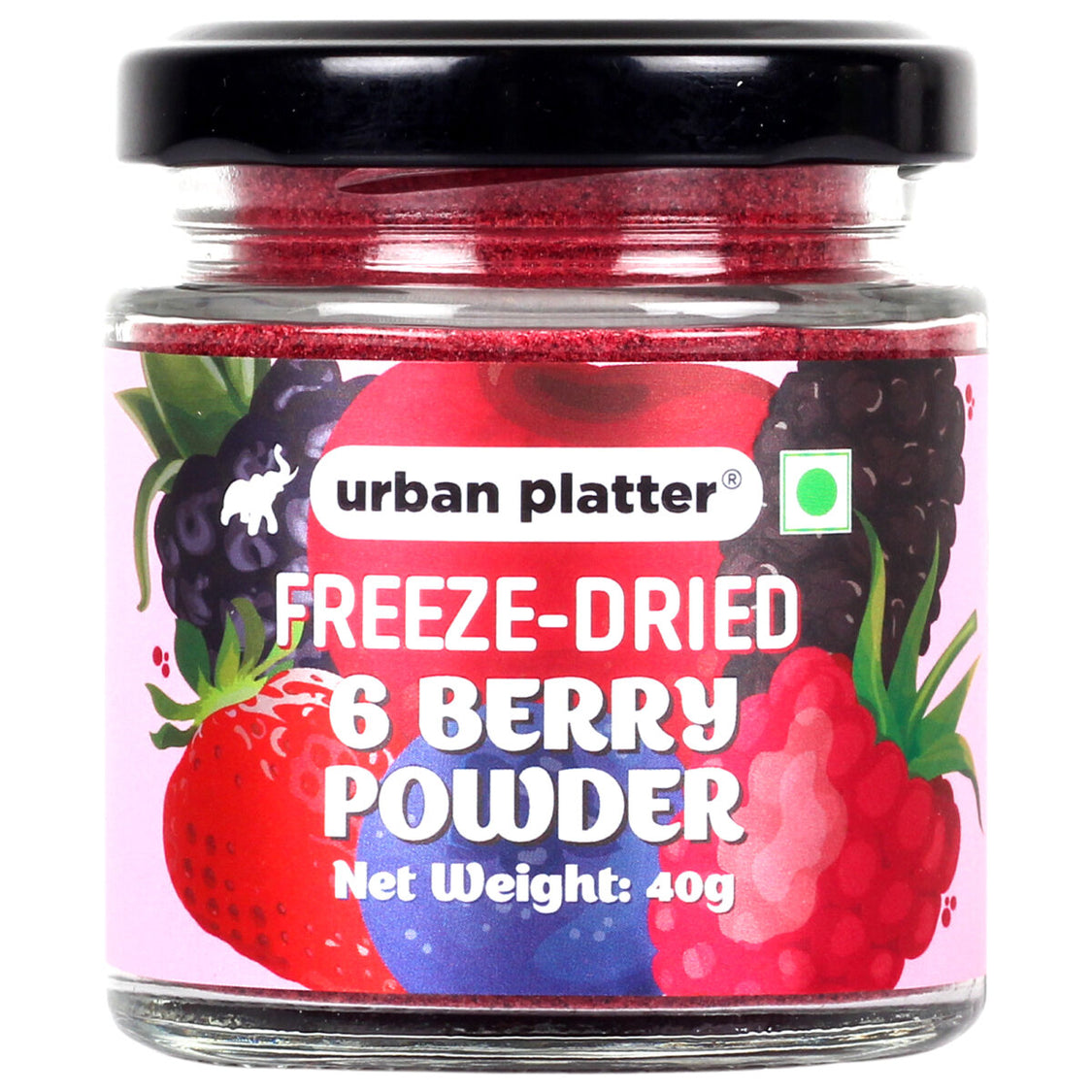
Have you ever wondered how your favorite fruit powder is made? From vibrant smoothie blends and bakery recipes to beverages and dessert mixes, fruit powder has become a popular ingredient in both home kitchens and the food industry. Its convenience, long shelf life, and versatility make it an excellent alternative for recipes where fresh fruit may not always be available.
But what exactly goes into making fruit powder? Is it simply dried fruit that’s ground into a fine texture, or is there more to the process? In this guide, we’ll walk you through how fruit powder is made, the different drying methods used, how quality is maintained, and why it has become a valuable pantry staple for modern cooking.
What Is Fruit Powder?
Fruit powder is made by removing most of the moisture from fresh fruit and then grinding the dried fruit into a fine powder. The goal is to preserve the fruit in a convenient form that is easy to store, transport, and use in a wide variety of recipes.
Depending on the type of fruit and the manufacturing process, fruit powder can retain much of the fruit’s natural color, aroma, and flavor, making it a versatile ingredient for both commercial food production and home cooking.
Step 1: Selecting High-Quality Fresh Fruit
Every premium fruit powder begins with carefully selected fruit. Manufacturers typically choose fruit that is:
- Fresh and ripe
- Free from visible damage
- Uniform in quality
- Properly cleaned before processing
The quality of the final fruit powder depends heavily on the quality of the raw fruit. Fruits harvested at the right stage of ripeness usually provide the best flavor and color after drying.
Step 2: Washing and Sorting
Before processing begins, the fruit is thoroughly washed to remove dirt, dust, and other impurities. It is then sorted to remove damaged or overripe pieces.
This step helps maintain consistency and ensures only suitable fruit moves to the next stage of production.
Step 3: Peeling, Cutting, or Preparing the Fruit
Different fruits require different preparation methods.
For example:
- Mangoes may be peeled and sliced.
- Apples are often cored and cut.
- Berries are usually processed whole.
- Bananas are peeled before slicing.
Preparing the fruit properly allows for more efficient drying and consistent results.
Step 4: Removing Moisture
The most important stage in producing fruit powder is drying. Moisture is removed to extend shelf life while helping preserve the fruit for future use.
There are several methods manufacturers may use.
Freeze Drying
Freeze drying involves freezing the fruit first and then removing water through a vacuum process.
This method helps preserve:
- Natural color
- Aroma
- Flavor
- Texture
Freeze-dried fruit powder is often valued for its vibrant appearance and excellent flavor retention.
Spray Drying
Spray drying is commonly used when processing fruit juices or fruit purees.
The liquid fruit is converted into tiny droplets and exposed to warm air, causing moisture to evaporate quickly and leaving behind a fine fruit powder.
This technique is widely used in commercial food production due to its efficiency and consistency.
Air Drying
Some manufacturers use controlled warm air to gradually remove moisture from fruit pieces before grinding.
Although the process may take longer, it remains a practical option for many fruits.
Step 5: Grinding into Fruit Powder
Once the fruit is completely dried, it is milled into a fine, uniform fruit powder.
The fineness of the powder depends on its intended use.
Some products are made for:
- Smoothies
- Baking
- Beverage mixes
- Desserts
- Seasoning blends
A consistent texture allows the fruit powder to blend easily into recipes.
Step 6: Quality Testing
Before packaging, manufacturers typically perform quality checks.
These may include evaluating:
- Moisture content
- Color consistency
- Texture
- Aroma
- Particle size
Quality control helps ensure that every batch meets production standards.
Step 7: Packaging
Proper packaging plays an important role in maintaining freshness.
High-quality fruit powder is usually packed in moisture-resistant, airtight packaging that helps protect it from:
- Humidity
- Air exposure
- Light
- Contamination
Good packaging helps preserve both flavor and usability throughout the product’s shelf life.
Why Fruit Powder Has Become So Popular
Consumers appreciate fruit powder because it is convenient and easy to use.
Some common reasons include:
- Long shelf life
- Easy storage
- No peeling or chopping required
- Convenient portioning
- Versatile recipe applications
Whether you’re preparing breakfast, desserts, beverages, or baked goods, fruit powder offers flexibility in the kitchen.
Everyday Uses of Fruit Powder
One reason fruit powder continues to grow in popularity is its versatility.
It can be used in:
Smoothies
Blend fruit powder with milk, yogurt, or plant-based beverages for quick drinks.
Baking
Many home bakers use fruit powder in:
- Cakes
- Muffins
- Cookies
- Pancakes
It adds natural fruit flavor and vibrant color to baked recipes.
Desserts
Fruit-flavored frostings, puddings, and ice creams often include fruit powder.
Beverages
Many instant drink mixes and flavored beverages use fruit powder because it dissolves easily.
Breakfast Recipes
Sprinkle fruit powder over oatmeal, yogurt bowls, granola, or smoothie bowls for extra flavor.
How to Store Fruit Powder
Proper storage helps maintain freshness and quality.
For best results:
- Keep the package tightly sealed.
- Store in a cool, dry place.
- Protect from moisture.
- Avoid direct sunlight.
- Use a dry spoon when handling the powder.
These simple steps help preserve the product for longer.
Common Myths About Fruit Powder
Myth 1: Fruit Powder Is Artificial
Not necessarily. Many types of fruit powder are produced by simply drying and grinding fruit. The exact ingredients depend on the product, so always read the label.
Myth 2: Fruit Powder Is Only for Smoothies
While smoothies are popular, fruit powder works equally well in baking, desserts, beverages, breakfast recipes, and even creative culinary applications.
Myth 3: All Fruit Powder Is Made the Same Way
Different drying technologies produce different results. Freeze drying, spray drying, and air drying each have unique advantages depending on the fruit and intended application.
Tips for Choosing High-Quality Fruit Powder
When buying fruit powder, consider the following:
- Check the ingredient list.
- Choose products from trusted brands.
- Look for secure packaging.
- Consider how you plan to use the powder.
- Store it correctly after opening.
Selecting quality products helps improve both flavor and cooking results.
Why Food Manufacturers Use Fruit Powder
The food industry uses fruit powder because it is practical and consistent.
You’ll often find it in:
- Breakfast cereals
- Snack bars
- Bakery products
- Beverage mixes
- Yogurt blends
- Dessert preparations
Its ease of handling and long shelf life make it a valuable ingredient in commercial food production.
Final Thoughts
Understanding how fruit powder is made helps you appreciate the careful process that transforms fresh fruit into a convenient, shelf-stable ingredient. From selecting ripe fruit and removing moisture to grinding, testing, and packaging, every stage is designed to create a product that is easy to use while maintaining the fruit’s natural characteristics.
Whether you’re preparing smoothies, baked treats, desserts, breakfast bowls, or beverages, fruit powder offers an easy way to add fruit flavor to countless recipes. By choosing high-quality products, storing them correctly, and using them creatively, you can enjoy the convenience and versatility of fruit powder in your everyday cooking. As more home cooks and food manufacturers embrace this innovative ingredient, fruit powder continues to prove why it deserves a place in modern kitchens.


 raisins black
 Ava Taylor