Rohit Verma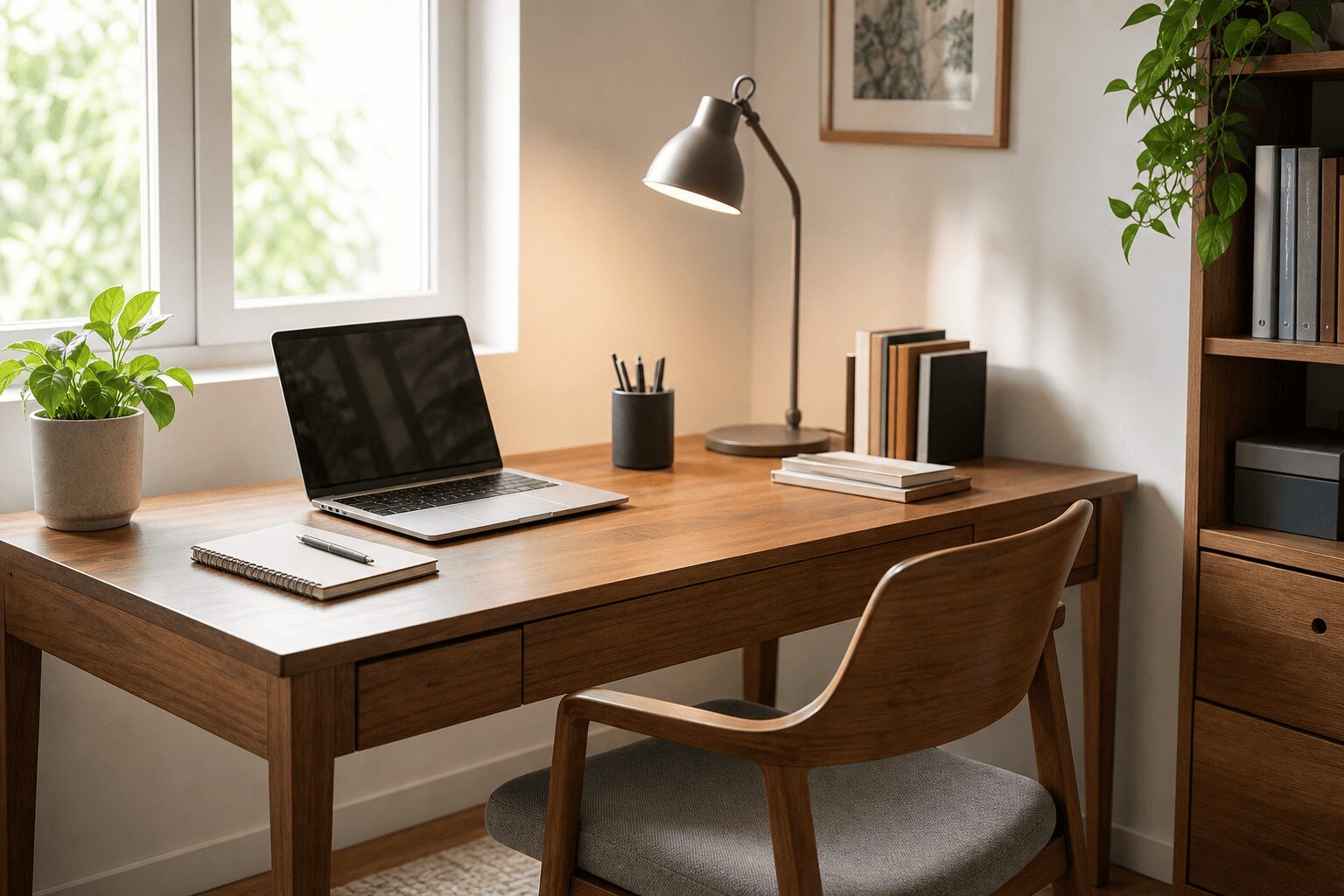
A study table is more than just a piece of furniture. It is a dedicated space where students learn, professionals work, and individuals focus on personal projects. Choosing the right Study Table for Home is not only about style or material but also about selecting the correct size. A table that is too small can make it difficult to organize books, laptops, and stationery, while an oversized table may occupy valuable floor space and make a room feel cramped.
The right-sized study table creates a comfortable and productive environment. It supports good posture, improves organization, and helps make the best use of the available space. Whether you are furnishing a children’s study room, a home office, or a compact apartment, understanding how to choose the right size is essential. This guide explains everything you need to know before buying a study table for your home.
Why the Size of a Study Table Matters
The size of your study table has a direct impact on comfort and productivity. A properly sized table allows you to work for long hours without feeling uncomfortable. It provides enough room for your books, notebooks, laptop, monitor, and other essentials while leaving sufficient space to move freely.
A study table that is too small often leads to clutter, making it difficult to concentrate. On the other hand, a table that is too large can reduce walking space and make even a spacious room appear crowded. Finding the perfect balance between functionality and available room space is the key to selecting the ideal study table for home.
Measure Your Available Space First
Before browsing different study table designs, begin by measuring the area where you plan to place the table. Use a measuring tape to determine the width, depth, and height of the available space.
Remember to leave enough room around the table for comfortable movement. Ideally, there should be at least 2 to 3 feet of clearance behind the chair so that you can sit, stand, and move without obstruction. Also, consider nearby doors, wardrobes, windows, and shelves to ensure the study table fits comfortably within the room.
Taking accurate measurements before shopping can prevent costly mistakes and help you choose a study table that perfectly suits your home.
Choose the Right Table Width
The width of the study table determines how much workspace you will have.
If you primarily use a laptop and occasionally write or read, a table width of around 80 to 100 cm is usually sufficient. However, if you use multiple books, a desktop computer, dual monitors, or require additional workspace for creative projects, consider a wider table ranging from 120 to 150 cm.
Students preparing for competitive exams often need enough space to spread books, notes, and stationery. Likewise, professionals working from home may require additional room for monitors, keyboards, and office accessories. Choosing the right width ensures that everything remains organized and easily accessible.
Pay Attention to Table Depth
Depth is another important factor that many buyers overlook.
A study table should provide enough distance between your eyes and your computer screen while leaving room for notebooks and writing materials. Generally, a depth of 45 to 60 cm works well for basic study needs. If you use a desktop computer or multiple monitors, consider a table with a depth of around 70 cm.
A deeper study table also allows better cable management and provides extra space for desk organizers without making the workspace feel crowded.
Select the Correct Table Height
The standard height of most study tables is approximately 28 to 30 inches (71 to 76 cm). This height suits the majority of adults and allows comfortable seating when paired with an ergonomic chair.
For children, selecting an age-appropriate table height is important to encourage proper posture during study sessions. Adjustable study tables are an excellent investment because they grow with your child and continue to provide comfort over the years.
When seated, your elbows should form approximately a 90-degree angle while typing or writing, and your feet should rest flat on the floor. This posture reduces strain on the shoulders, neck, and back.
Match the Study Table to the User
Different users have different workspace requirements.
Students usually need a study table with enough space for textbooks, notebooks, stationery, and sometimes a laptop. A medium-sized table with storage drawers or shelves often meets these needs.
Professionals working from home generally require larger work surfaces to accommodate monitors, keyboards, documents, and office accessories. A wider study table with cable management features can improve productivity.
Creative professionals such as designers, architects, or artists may need even larger tables that allow drawing, sketching, or working on multiple projects simultaneously.
Understanding who will use the table helps determine the most suitable size.
Consider Storage Requirements
Storage plays a significant role when selecting a study table for home.
If your workspace includes books, files, stationery, chargers, or office supplies, choose a study table with built-in drawers, shelves, or cabinets. However, remember that additional storage increases the overall size of the furniture.
If your room has separate bookshelves or storage cabinets, a simple study table without additional storage may provide a cleaner and more spacious appearance.
The goal is to find the right balance between workspace and storage without making the room feel crowded.
Think About Room Layout
The placement of the study table affects both functionality and aesthetics.
A study table positioned near a window benefits from natural light, making reading and working more comfortable. Corner study tables are excellent choices for maximizing unused corners in smaller rooms.
Wall-mounted study tables or foldable models are ideal for compact apartments where every square foot matters. These space-saving options provide functionality without occupying permanent floor space.
Before making a purchase, visualize how the table will fit into your existing furniture arrangement.
Don’t Forget the Chair
A study table should always be selected along with a suitable chair.
Ensure there is enough legroom under the table for comfortable seating. Most study tables provide around 60 cm of leg clearance, which is adequate for most users.
An ergonomic chair paired with the correct table height promotes better posture, reduces fatigue, and supports longer study or work sessions.
Never choose a study table without considering the chair dimensions, as both pieces work together to create a comfortable workspace.
Plan for Future Needs
When investing in furniture, it is wise to think beyond your current requirements.
A child may eventually need more space for advanced studies, while a professional’s workspace may expand with additional monitors or equipment. Choosing a slightly larger study table can provide flexibility without requiring another purchase in a few years.
Investing in a versatile design ensures your furniture continues to meet your changing needs.
Material Can Affect Table Size
The material of your study table also influences its appearance and usability.
Wooden study tables often have thicker frames, giving them a sturdy and premium look. Engineered wood offers a balance between durability, affordability, and modern design. Metal-framed tables generally appear lighter and more compact, making them suitable for smaller rooms.
Choose a material that complements your room while maintaining the desired balance between durability and available space.
Common Mistakes to Avoid
Many buyers focus only on appearance while ignoring practical considerations. One common mistake is purchasing a study table without measuring the room. Another is selecting a table based solely on price instead of comfort and functionality.
Some people overlook storage needs and later struggle with clutter. Others ignore ergonomics, leading to poor posture and discomfort during extended study or work sessions.
Avoid these mistakes by carefully evaluating your space, daily requirements, and long-term usage before making a decision.
Tips for Choosing the Perfect Study Table for Home
Selecting the right study table becomes much easier when you follow a few practical guidelines. Always measure your available space before shopping and choose a table that leaves enough room for movement. Consider who will use the table and the type of work they will perform daily. Ensure the height is comfortable, the width provides adequate workspace, and the depth supports both writing and computer use. Think about storage requirements, room layout, lighting, and future needs to make a purchase that remains useful for years.
Conclusion
Choosing the right Study Table for Home involves much more than selecting an attractive design. The correct size ensures comfort, supports productivity, and makes efficient use of your living space. By measuring your room carefully, understanding your workspace requirements, considering storage options, and focusing on ergonomic comfort, you can confidently select a study table that perfectly suits your lifestyle.
A well-sized study table creates an organized and comfortable environment where learning, working, and creativity can thrive. Investing time in choosing the right dimensions today will provide lasting comfort and functionality for many years, making your home workspace more efficient and enjoyable every day.


 ARC Print India
 Jayendra G