Ankit Kumar
A few years ago, cinema cameras were mostly seen on large production sets with dedicated crews and massive budgets. That has changed quite a bit. Independent filmmakers, content creators, travel videographers, and even small production teams are now investing in better camera systems because audience expectations have grown rapidly. People notice sharper visuals, smoother motion, and stronger storytelling more than ever before.
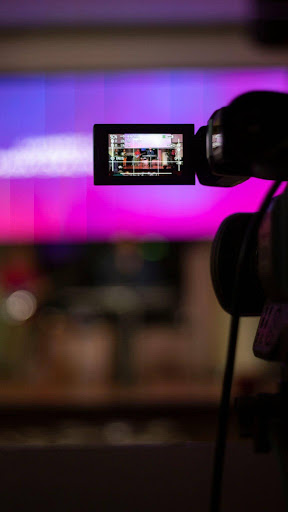
That is one reason the demand for a cinematic camera continues to grow. Creators are no longer upgrading equipment just for better image quality. They want more flexibility, better low-light performance, faster autofocus, and tools that help bring their ideas to life without slowing the creative process.
Why Creators Are Investing in Better Camera Systems
Content creation has become more competitive across every platform. Whether it is short films, branded content, documentaries, or social media videos, creators need equipment that can handle both photography and professional-level video work.
Modern hybrid cameras now offer features that were once limited to high-end cinema setups. Higher-resolution recording, RAW formats, advanced autofocus, and greater colour-grading flexibility allow creators to produce more polished work without the need for oversized production setups.
The Shift Towards Cinematic Quality
Viewers may not always understand technical camera specifications, but they do notice visual quality. Richer colours, smoother motion, and natural depth can make even simple scenes feel more engaging.
That is why many creators are moving towards a cinematic camera that supports high-resolution recording and greater creative control during editing. Features like Canon Log profiles, RAW recording, and improved dynamic range help filmmakers shape the mood and tone of their footage more freely.
Performance Matters Beyond Resolution
A camera is not useful if it struggles during real shooting conditions. Fast-moving subjects, changing lighting, and handheld shooting all demand reliable performance.
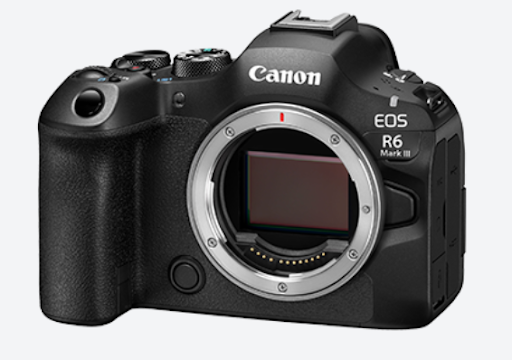
The Canon EOS R6 Mark III is designed with this balance in mind. Its 32.5MP full-frame CMOS sensor captures detailed stills while supporting advanced video recording options like 7K 30p RAW Open Gate and internal 7K 60p RAW Light recording. For creators working across both photography and filmmaking, that flexibility becomes genuinely useful.
The Dual Pixel CMOS AF II system also helps maintain accurate subject tracking during both video and still shooting, reducing missed focus during important moments.
Smaller Setups, Bigger Possibilities
Many creators now prefer lightweight equipment that can travel easily without sacrificing quality. Compact cinema-capable cameras allow filmmakers to shoot in tighter spaces, move faster, and work more independently.
Features like high continuous shooting speeds, digital zoom support, and compact body dimensions make modern hybrid systems more adaptable for different shooting environments, from travel shoots to commercial work.
Conclusion
Filmmaking and content creation continue to evolve, but one thing remains consistent: creators want tools that help them work more freely and efficiently. Investing in capable camera systems is no longer limited to big studios. More filmmakers are choosing equipment that supports both creativity and practicality, helping them produce stronger visual stories with greater confidence.


 Allan Dermot
 ashlesha more