synch travel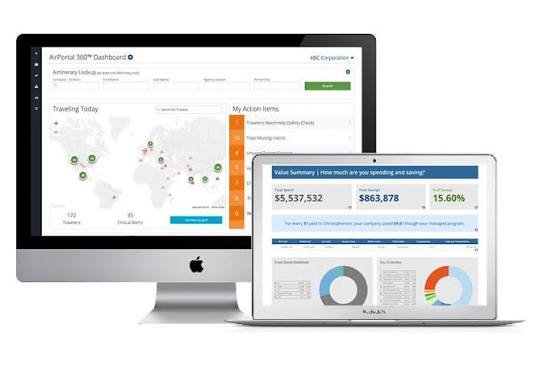
Running a tour business involves much more than creating attractive travel packages. Tour operators have to manage supplier information, customer requests, bookings, payments, itineraries, availability, and communication at the same time. When these tasks are handled through separate spreadsheets, emails, and messaging apps, even a small change can create unnecessary work. The right technology can bring these activities into one organized workflow, helping teams spend less time managing routine tasks and more time serving travelers.
Why Tour Operators Need a Better Way to Manage Daily Work
A Tour Operator Software Demo can give travel businesses a practical look at how modern software can fit into their existing operations. Instead of judging a system only by a list of features, a demo allows teams to see how bookings are created, how customer information is handled, and how different parts of a trip connect with each other.
This is particularly useful for tour operators that are growing and finding it harder to maintain manual processes. A booking may begin with a customer inquiry, move through quotation and confirmation, and eventually require hotel, transport, activity, and payment details. If every stage is managed separately, employees may have to enter the same information several times.
A well-designed platform can reduce this unnecessary repetition. It can provide a central place for booking details, customer records, supplier information, and operational updates. The goal is not simply to add more software to the business. It is to create a smoother process that employees can actually use during a busy working day.
What to Look for During a Software Demo
Not every tour operator has the same requirements, so a demo should be treated as an opportunity to test practical workflows rather than simply watch a sales presentation.
Start by looking at the booking process. Ask yourself how easily an employee can create a new reservation, update passenger details, add services, and confirm the booking. A complicated booking screen can create problems for staff, even if the software offers many advanced functions.
It is also worth examining how the system handles customer communication. Travel bookings often change before departure. Dates can move, travelers may request additional services, and suppliers may update availability. A useful platform should make these changes manageable without forcing staff to search through multiple systems.
Another important area is reporting. Managers need a clear view of what is happening across the business. Booking activity, sales information, pending requests, and operational details can be easier to monitor when the information is organized within one system.
Connecting Suppliers, Bookings and Customers
For many travel businesses, supplier coordination is one of the more demanding parts of daily operations. Hotels, transportation providers, activity operators, and other travel suppliers may all have different processes. Keeping their information organized becomes increasingly important as the number of bookings grows.
A b2b travel booking system can help create a more connected environment for businesses that work with travel agents, resellers, or other industry partners. Instead of treating every partner request as an isolated task, the system can support a structured booking process where relevant information moves between the different stages.
This can also improve the experience for internal teams. When employees can quickly find booking information, supplier details, and customer requirements, they do not need to spend as much time checking old emails or searching through separate files.
For B2B operations, ease of use matters just as much as functionality. If a platform is difficult for partners to understand, adoption can become a challenge. During a software demo, it is therefore useful to consider the experience from both sides, the employee managing the booking and the partner making the reservation.
Automation That Reduces Repetitive Tasks
Automation can make a noticeable difference in travel operations, especially where employees regularly perform the same actions. This does not mean removing people from the process. Instead, automation can handle routine steps while employees focus on decisions that require attention.
For example, a travel business may need to send booking confirmations, update reservation information, organize customer details, or maintain records after a booking has been completed. When these activities can be handled through predefined workflows, staff can avoid repeating the same manual actions throughout the day.
The value of automation becomes clearer when a business handles a larger volume of inquiries. A process that takes only a few minutes for one booking can consume many working hours when repeated across dozens or hundreds of reservations.
During a demo, ask how much control the business has over automated workflows. Good automation should support the company’s process rather than force employees into a rigid system. Teams should be able to understand what is automated, what requires approval, and where manual intervention is still necessary.
How Synch Travel Can Fit Into a Modern Travel Operation
Choosing travel technology is not simply about finding a platform with the longest feature list. The more important question is whether the system fits the way a business actually works. Synch Travel is relevant to this conversation because travel businesses can evaluate technology around practical areas such as booking workflows, partner operations, automation, and day-to-day management.
A useful approach is to map the current booking journey before selecting software. Consider what happens from the moment a customer or business partner sends an inquiry until the trip is completed. Identify where employees enter information, where delays occur, and which tasks are repeated most often.
Once these areas are clear, a software demo becomes much more useful. Instead of asking whether a platform has a particular feature, the team can ask whether it solves a real problem within its existing workflow.
This also helps avoid investing in tools that look impressive but are difficult to use. Travel technology should make operations clearer, not create another layer of complexity.
Making the Demo a Real Business Evaluation
A software demo should involve the people who will actually use the platform. A manager may be interested in reports and business visibility, while a reservations employee may care more about booking speed and ease of navigation. Bringing both perspectives into the evaluation can reveal issues that may otherwise be missed.
It is helpful to prepare a few realistic scenarios before the demo. For example, ask the provider to demonstrate how a new booking is created, how a reservation is changed, how customer information is updated, and how a booking is handled when supplier details change.
Integration should also be discussed. Travel businesses often rely on different systems and services, so it is important to understand whether the platform can work with relevant APIs or other technology already used by the company.
Security and access controls deserve attention as well. Customer and booking information should be handled responsibly, with appropriate permissions for different team members. A business should understand how users access the system and how sensitive operational information is protected.
The Benefits of Moving Away From Scattered Processes
One of the biggest advantages of a centralized travel platform is visibility. When information is spread across spreadsheets, inboxes, and separate applications, employees may have an incomplete picture of a booking.
Centralization can make it easier to understand what has already happened and what still needs attention. This can be particularly useful when several employees are involved in the same reservation.
It can also make staff training easier. Instead of learning a collection of unrelated tools, employees can work within a more consistent environment. New team members can become familiar with established workflows and understand where different types of information are maintained.
For customers, the benefit may be less visible but equally important. Faster responses, fewer avoidable errors, and better access to booking information can contribute to a smoother experience from inquiry to departure.
Choosing Software That Can Grow With Your Business
A travel business should not select software only for its current needs. Its requirements may change as it adds new destinations, products, partners, employees, or sales channels.
Scalability does not necessarily mean buying the most complex platform available. It means choosing technology that can support increasing operational demands without forcing the business to completely rebuild its processes.
Before making a decision, consider how the platform handles additional users, booking volumes, integrations, reporting requirements, and changing workflows. It is also sensible to ask about support, implementation, training, and future updates.
The right solution should feel like an operational improvement rather than a burden. If employees can understand it, managers can monitor it, and customers ultimately receive better service, the software is more likely to deliver lasting value.
Final Thoughts
Tour operators need technology that solves practical problems. Managing bookings, suppliers, customers, payments, itineraries, and partner relationships can become difficult when every task depends on a different tool.
A software demo provides an opportunity to look beyond marketing claims and see how a platform performs in real travel scenarios. By testing booking workflows, automation, integrations, reporting, usability, and scalability, a business can make a more informed decision.
The best travel technology is not necessarily the platform with the largest number of features. It is the one that fits the business, supports its employees, simplifies everyday work, and creates a more organized journey from booking to completion.


 Rajasthan Taxi Rental
 Kiya Verma