lisa soft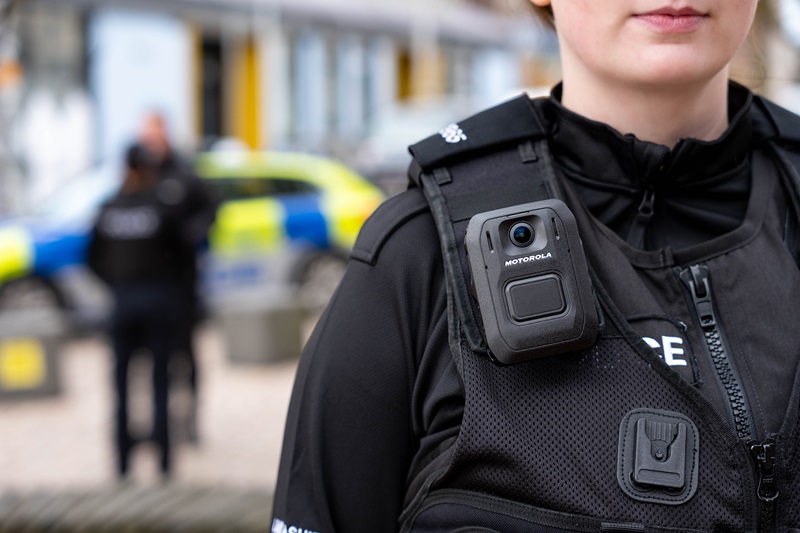
Construction and industrial job sites in the United States are fast-moving, high-risk environments where safety documentation is extremely important. Workers must constantly follow safety protocols, report hazards, and ensure compliance with OSHA regulations. However, traditional reporting methods—like written logs or manual inspections—can be slow and sometimes inaccurate.
This is where modern wearable technology is making a big difference. Helmet-mounted recording devices are now widely used to simplify safety documentation and improve real-time awareness on-site. These devices allow workers to capture what they see without using their hands, making safety monitoring more efficient and reliable.
Let’s explore how this technology is changing the way job sites manage safety.
What makes helmet cameras essential for modern job sites?
A major innovation in workplace safety is the body worn camera for helmets, which allows workers to record their environment while keeping their hands free for tasks. This is especially useful on construction sites, oil fields, warehouses, and industrial plants across the United States.
Unlike handheld devices, helmet-mounted cameras provide a first-person view of the worker’s perspective. This means supervisors can see exactly what the worker sees in real time or through recorded footage.
These systems are commonly used in:
- High-rise construction projects in cities like New York and Chicago
- Roadwork and infrastructure development projects
- Utility maintenance and inspection tasks
- Industrial equipment installation sites
By offering a direct visual record of safety conditions, these cameras help companies improve accountability and reduce workplace risks.
How do helmet cameras improve safety documentation?
One of the biggest challenges in construction safety is accurate documentation. Workers may forget details, miss hazards, or fail to report incidents in real time. Helmet cameras solve this problem by automatically capturing visual evidence during work.
Here’s how they improve documentation:
- Record real-time safety conditions without manual input
- Capture hazards that may go unnoticed in written reports
- Provide clear evidence for incident investigations
- Support OSHA compliance audits
For example, if a worker encounters unstable scaffolding, the helmet camera records the exact condition of the structure. This footage can later be reviewed by safety managers to prevent similar risks in the future.
Many modern systems also include advanced features like:
- GPS tracking for location-based safety review
- Audio recording for communication context
- Wide-angle lens for full environmental coverage
- Integration with cloud-based safety platforms
These features make safety documentation more accurate and reliable than traditional methods.
Why are hands-free systems important for worker safety?
Hands-free operation is one of the most important advantages of helmet-mounted cameras. Workers in high-risk environments must keep their hands focused on tools, machinery, or climbing equipment. Any distraction can increase the risk of accidents.
By using a body camera best buy solution designed for industrial use, companies can ensure that workers stay focused while still documenting their environment.
Hands-free systems help:
- Reduce distraction during critical tasks
- Improve productivity by eliminating manual reporting
- Increase safety compliance without interrupting work
- Allow continuous recording during movement
This is especially useful for tasks performed at height, inside confined spaces, or near heavy machinery, where even a moment of distraction can lead to serious accidents.
How do helmet cameras support OSHA compliance in the US?
In the United States, OSHA regulations require employers to maintain safe working conditions and proper documentation of safety procedures. Helmet cameras help meet these requirements by providing real-time visual records of job site activities.
They assist in compliance by:
- Documenting safety inspections
- Recording proper use of protective equipment
- Capturing hazard identification processes
- Providing evidence during regulatory audits
For example, if an OSHA inspector reviews a site, recorded footage can demonstrate that workers followed proper safety protocols. This reduces the risk of penalties and improves overall safety ratings.
Can helmet cameras improve training and workforce development?
Yes, helmet cameras are highly effective training tools. They provide real-world footage that can be used to educate both new and experienced workers.
Training benefits include:
- Demonstrating correct safety procedures
- Showing real-life accident prevention examples
- Improving hazard recognition skills
- Enhancing communication between supervisors and workers
Instead of relying only on manuals or classroom training, companies can use actual job site footage. This makes training more practical and easier to understand.
For example, footage from a helmet POV camera can show exactly how a worker safely navigates a dangerous area, helping others learn best practices.
What features should companies look for in helmet cameras?
Choosing the right equipment is essential for effective safety documentation. Companies should look for devices built for rugged environments and long shifts.
Important features include:
- HD helmet mounted camera for clear video quality
- Helmet camera with night vision for low-light conditions
- Long battery life for full-day operation
- Durable and weather-resistant design
- Secure cloud storage for data protection
- Wide-angle lens for complete site coverage
These features ensure that the camera performs reliably in demanding environments such as construction zones, tunnels, and outdoor infrastructure projects.
Are helmet cameras widely used in US construction sites?
Yes, adoption is growing rapidly across the United States. Large construction firms, safety contractors, and infrastructure companies are increasingly integrating wearable cameras into their safety programs.
They are especially common in:
- Large commercial building projects
- Transportation and highway construction
- Energy and utility sectors
- Industrial manufacturing facilities
As safety standards become stricter and technology becomes more affordable, helmet cameras are expected to become standard equipment on most job sites.
FAQs
What is the main purpose of helmet cameras on job sites?
They are used to document safety conditions, improve compliance, and provide visual evidence of workplace activities.
Do helmet cameras reduce workplace accidents?
Yes, they improve awareness and help supervisors identify risks early, reducing the likelihood of accidents.
Are helmet cameras difficult to use?
No, most models are designed to be simple, lightweight, and easy to operate without interrupting work.
Can helmet cameras be used in all weather conditions?
Yes, many are designed to be waterproof, dustproof, and suitable for harsh environments.
Are helmet cameras legal on US job sites?
Yes, they are legal as long as they comply with workplace privacy and safety regulations.
Final Words
Helmet cameras are transforming how safety is documented on job sites across the United States. By providing a hands-free, real-time view of working conditions, they help improve accuracy, efficiency, and overall safety management.
These devices reduce the need for manual reporting, support OSHA compliance, and enhance worker training. Most importantly, they allow workers to stay focused on their tasks while still capturing critical safety information.
As construction and industrial environments continue to grow more complex, helmet cameras are becoming an essential part of modern safety systems. They not only document what happens on-site—they actively help prevent incidents before they occur.


 John Dave
 Steven Kane