Rohit Verma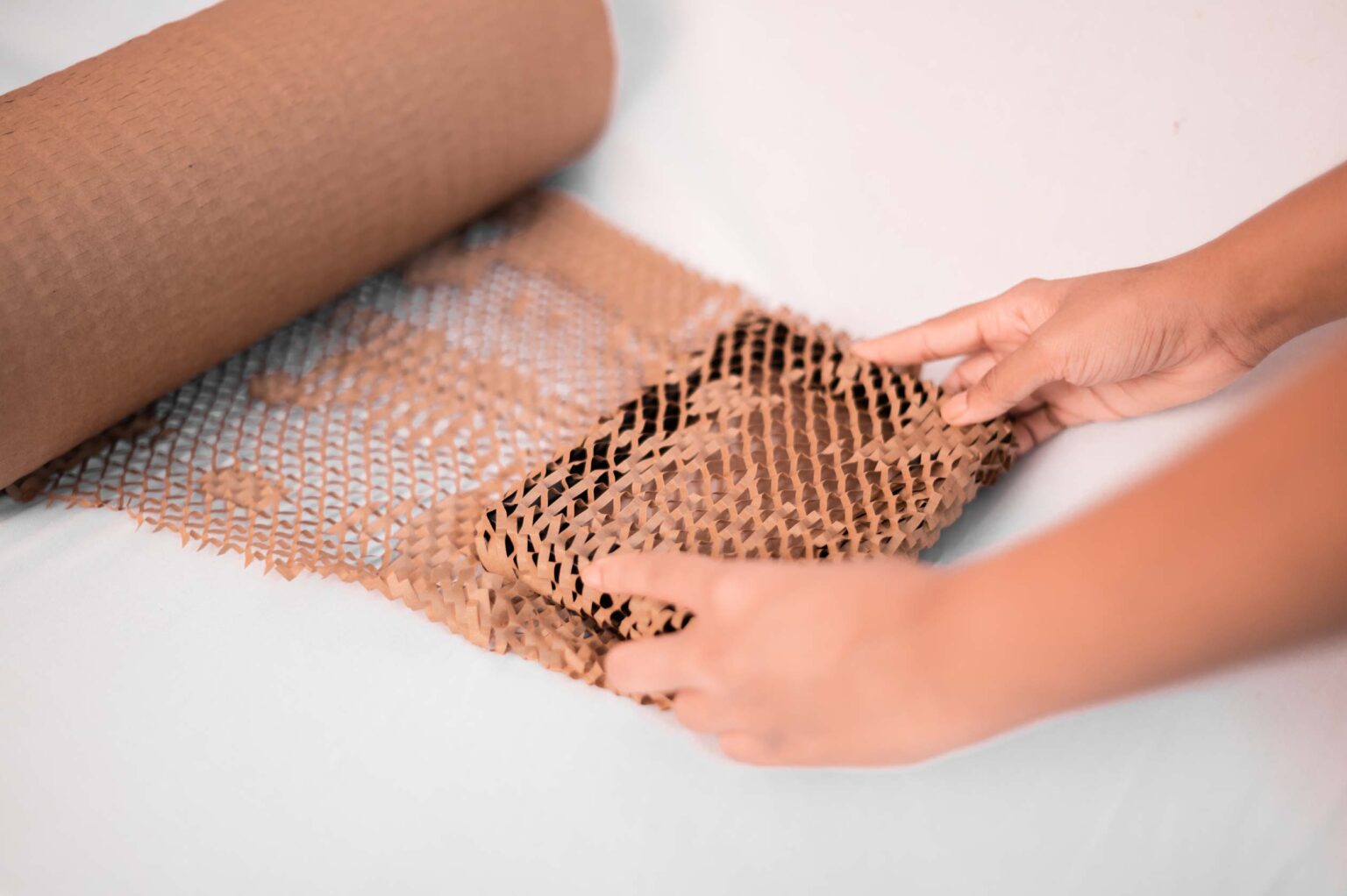
Paper is having a moment. From eco-conscious shoppers to brands trying to reduce plastic waste, Packaging Paper is everywhere. It looks clean, feels responsible, and checks the sustainability box. But here’s the catch — when it’s used the wrong way, it can fail fast.
If you’ve ever received a crushed box, torn wrap, or a product damaged in transit, chances are the issue wasn’t the idea of paper — it was how it was used. The good news? Most of these failures are avoidable with smarter choices and better design.
Let’s break down where paper-based packaging goes wrong and how to make it work the right way – especially if you want safe deliveries and happy customers.
Where Packaging Paper Usually Fails
1. Not All Paper Is Built for Protection
One of the biggest mistakes is assuming all paper materials perform the same. A thin sheet of kraft paper won’t protect a fragile item the way structured cushioning will.
Many businesses choose paper just because it’s eco-friendly, but ignore its strength and structure. Flat paper lacks shock absorption. So when packages face drops, stacking pressure, or rough handling, damage becomes almost inevitable.
Real-world example:
A small eCommerce brand ships ceramic mugs wrapped in plain paper. During transit, the lack of cushioning leads to cracks and returns. The intention was good — but the material choice wasn’t.
2. Moisture Is Paper’s Weak Spot
Paper and water don’t mix well. In humid climates or rainy conditions, paper can absorb moisture from the air or direct exposure.
This leads to:
- Loss of strength
- Sagging or tearing
- Reduced protective ability
In places with monsoon seasons, this becomes a serious challenge. If packaging is stored improperly or shipped without protection, even high-quality paper can underperform.
3. Poor Structural Design
Even strong paper can fail if the design is weak.
Common design flaws include:
- Loose wrapping that allows movement
- Empty spaces inside boxes
- Overpacking or underpacking
- Incorrect box size
When items shift during transit, the risk of damage increases. Paper alone isn’t the problem — the lack of proper packaging structure is.
4. Mishandling During Transit
Let’s be honest — shipping conditions aren’t always gentle. Packages get dropped, stacked, and sometimes even squeezed.
If packaging paper isn’t designed to handle real-world logistics, it won’t survive the journey. This is especially true for fragile or high-value items.
How to Use Packaging Paper the Right Way
Now that we know where things go wrong, let’s focus on how to fix it. Because when used correctly, paper can be both protective and sustainable.
1. Choose Structured Paper, Not Flat Sheets
If you want real protection, structure matters.
This is where honeycomb paper stands out. Its expanded, hexagonal design creates a cushioning effect similar to bubble wrap — but without plastic.
Why it works better:
- Absorbs shock during impact
- Wraps tightly around products
- Reduces movement inside the box
Instead of relying on layers of flat paper, structured paper solutions give you strength without adding bulk.
2. Combine Layers for Better Protection
Think of packaging as a system, not a single material.
For best results:
- Use a strong outer box (corrugated cardboard)
- Add inner cushioning like honeycomb wrap
- Include void fillers if needed
This layered approach protects against both external pressure and internal movement.
3. Protect Against Moisture
Since moisture is a known weakness, simple precautions can make a big difference.
Try this:
- Store paper materials in dry conditions
- Use water-resistant outer packaging
- Add a protective inner layer for sensitive items
For products like electronics or cosmetics, adding silica gel packets can help control humidity.
4. Right Size, Right Fit
Oversized boxes are one of the most common mistakes. They create unnecessary space, which leads to product movement and damage.
Instead:
- Choose box sizes that closely fit your product
- Wrap items tightly using cushioning paper
- Avoid leaving empty gaps
A snug fit means less movement — and fewer chances of breakage.
5. Test Before You Ship
Many brands skip this step, but it’s crucial.
Simple tests include:
- Drop tests from different heights
- Compression tests for stacking
- Moisture exposure checks
Testing helps you identify weak points before your customers do.
Real Advantage: Sustainability + Performance
There’s a common myth that eco-friendly packaging means compromising on protection. That’s not true — if you use the right materials.
Modern paper-based solutions like honeycomb paper offer:
- Strong cushioning performance
- Lightweight handling
- Plastic-free packaging
- Easy recyclability
So instead of choosing between sustainability and safety, you can achieve both.
Quick Takeaways You Can Apply Today
- Don’t rely on plain paper for fragile items — use structured cushioning
- Always combine inner protection with a strong outer box
- Protect packaging from moisture, especially in humid climates
- Use the right box size to prevent movement
- Test your packaging before scaling
Final Thoughts
Packaging Paper doesn’t fail because it’s paper — it fails because of how it’s used.
When businesses treat it as just a replacement for plastic, they miss its full potential. But when you focus on design, structure, and smart layering, it becomes a powerful solution for safe and sustainable shipping.
If you’re serious about reducing damage and improving customer experience, upgrading to better paper solutions — like honeycomb paper — can make all the difference.
Done right, paper isn’t a weakness. It’s your strongest packaging ally.


 John Dave
 Steven Kane