Hotsy of Virginia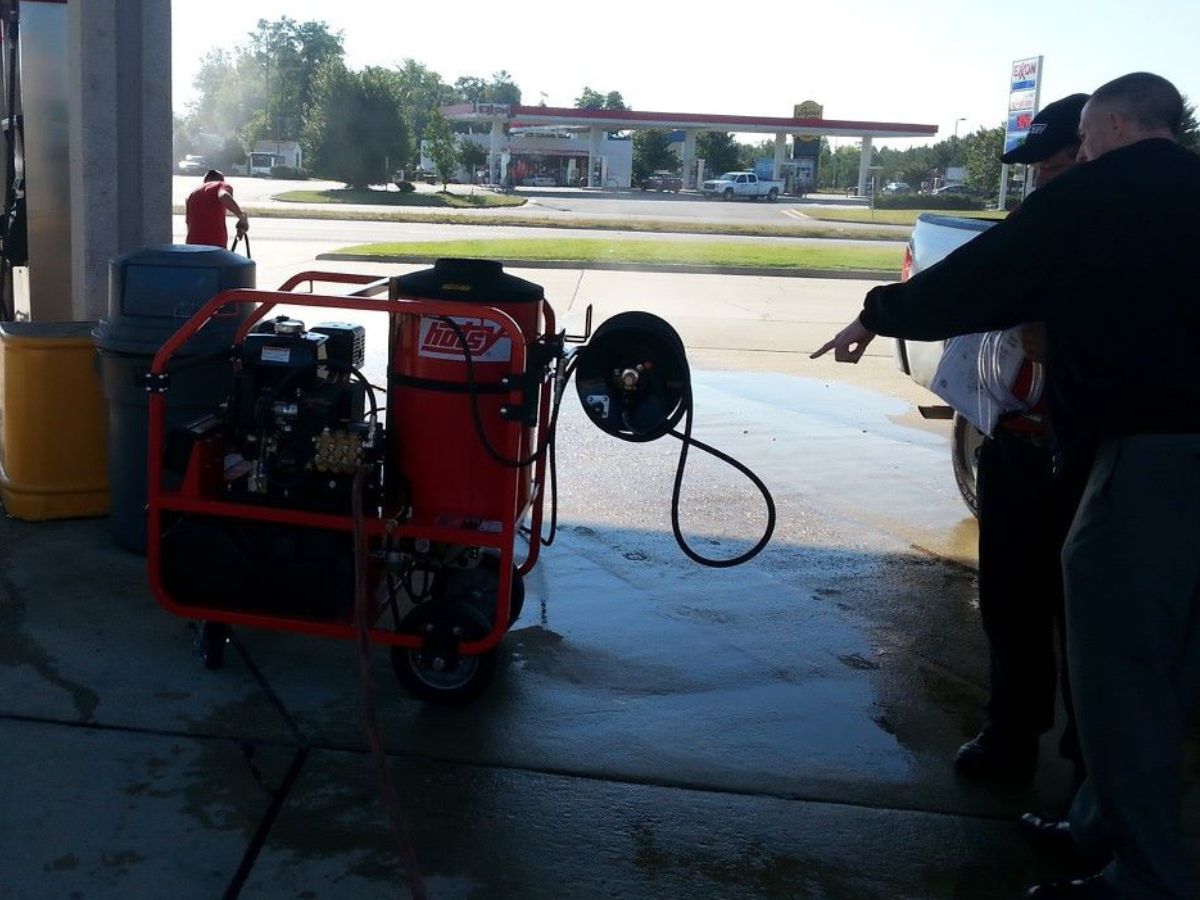
Grease doesn’t sit politely on the surface; it settles in, spreads out, and holds on. You can push harder, slow down your passes, even change angles, and still feel like you’re chasing it. That’s because grease isn’t a pressure problem. It’s a chemistry problem. Until you change the conditions, the result won’t change much either.
Once you bring heat into the process, everything starts to behave differently. That’s the point where a Gas Hot Water Pressure Washer stops feeling like an upgrade and starts looking like the right tool for the job.
Where Cold Water Reaches Its Limit
Cold water has its place. It clears loose dirt quickly and handles lighter buildup without much effort. But grease doesn’t respond the same way. It clings to surfaces, especially porous ones, and resists being lifted by pressure alone.
You’ll usually see the same pattern:
- The surface looks slightly better after a pass
- Staining remains underneath
- The finish feels uneven, not fully clean
At that point, increasing pressure doesn’t solve much. It just adds effort. You’re working harder, not smarter, and the grease is still there, just spread thinner.
Heat Changes the Way Grease Reacts
Introduce heat, and the behavior shifts almost immediately. Grease softens. It loosens its grip. What felt stubborn a moment ago starts to break apart.
There’s nothing abstract about it. It’s the same reason hot water works in any setting where oil is involved. Temperature reduces viscosity and weakens the bond between the grease and the surface.
With a Gas Hot Water Pressure Washer, you’re combining heat with pressure in a way that makes sense. The heat does the breakdown. The pressure carries it away. The result is cleaner, deeper, and far more consistent.
Faster Work Without Cutting Corners
One of the first things you notice with hot water isn’t just better cleaning, it’s the pace. Areas that used to need multiple passes begin to clear in one or two.
That changes the workflow:
- Less time spent revisiting the same spots
- Fewer adjustments mid-job
- More predictable results across large areas
It also reduces fatigue. You’re not forcing the wand into the surface or leaning into every pass. The system is doing what it’s supposed to do, and that shows up in how the work feels by the end of the day.
Built for the Surfaces That Cause Problems
Some surfaces make grease removal especially difficult. Concrete is the obvious one it absorbs oil, and once it’s in, it doesn’t come out easily. Equipment and vehicles bring a layered buildup, often a mix of grease, dirt, and residue that cold water barely touches.
Hot water handles these conditions differently. It penetrates deeper, breaks apart what’s embedded, and rinses it away more completely. That’s why hot water systems are standard in environments where grease is constant, such as fleet washing, construction equipment, and shop floors.
It’s not about preference. It’s about what works without wasting time.
Detergents Start Pulling Their Weight
Chemicals matter, but they’re often expected to carry the entire load. Without heat, even a strong detergent can feel like it’s underperforming. Add heat, and the difference is immediate. The detergent activates faster, spreads more evenly, and lifts contaminants more effectively. You end up using less product while getting better results.
That balance of heat, chemical, and pressure is what makes the process efficient. Remove one piece, and everything slows down.
Why Gas-Powered Units Hold Up in Real Conditions
Electric hot water units are fine in controlled environments. Gas-powered systems are built for actual job sites, places where conditions aren’t ideal, and the work doesn’t pause.
They:
- Maintain consistent heat under continuous use
- Operate without relying on fixed power sources
- Handle larger, heavier cleaning demands
That consistency matters. When you’re moving from one job to the next or working through a large project, you don’t want performance to drop halfway through.
Hotsy of Virginia focuses on equipment designed for that kind of workload. Their systems are built for daily use, backed by access to parts, detergents, and service support that keep everything running without unnecessary downtime. They also offer a range of configurations to match different job requirements, so the setup fits the work not the other way around.
A Process You Can Rely On
Once heat becomes part of the system, the process stops feeling unpredictable. You’re not constantly adjusting or guessing.
It settles into something repeatable:
- Apply detergent
- Allow it to work
- Rinse clean
No chasing missed areas. No second-guessing whether another pass will fix it. The results become consistent, and that consistency matters more than speed alone.
The Long-Term Payoff
Efficiency isn’t just about finishing faster; it’s about reducing waste along the way. Fewer passes mean less water. Better chemical performance means less product. Shorter job times reduce labor. Over time, that adds up. The work becomes more controlled, less reactive. Equipment isn’t pushed beyond what it needs to do, and results hold up longer after the job is done.
With proper support, parts availability, and service when needed, the system keeps performing the way it should. That’s part of what Hotsy of Virginia brings to the table: not just machines, but a structure that keeps them working.
Conclusion
Grease doesn’t respond to effort alone. You can push harder, spend more time, and still come up short if the conditions aren’t right. Heat changes those conditions in a way that pressure can’t. It breaks down what’s embedded, clears it more completely, and makes the process feel controlled instead of forced. A Gas Hot Water Pressure Washer isn’t just more powerful, it’s more effective where it counts. And for operations that need mobility, pairing that system with a Power Washer Trailer for Sale turns it into a complete setup that’s ready to move, ready to work, and built to handle real-world demands.


 Ammar Saleem
 andrew bark