enfield abudhabi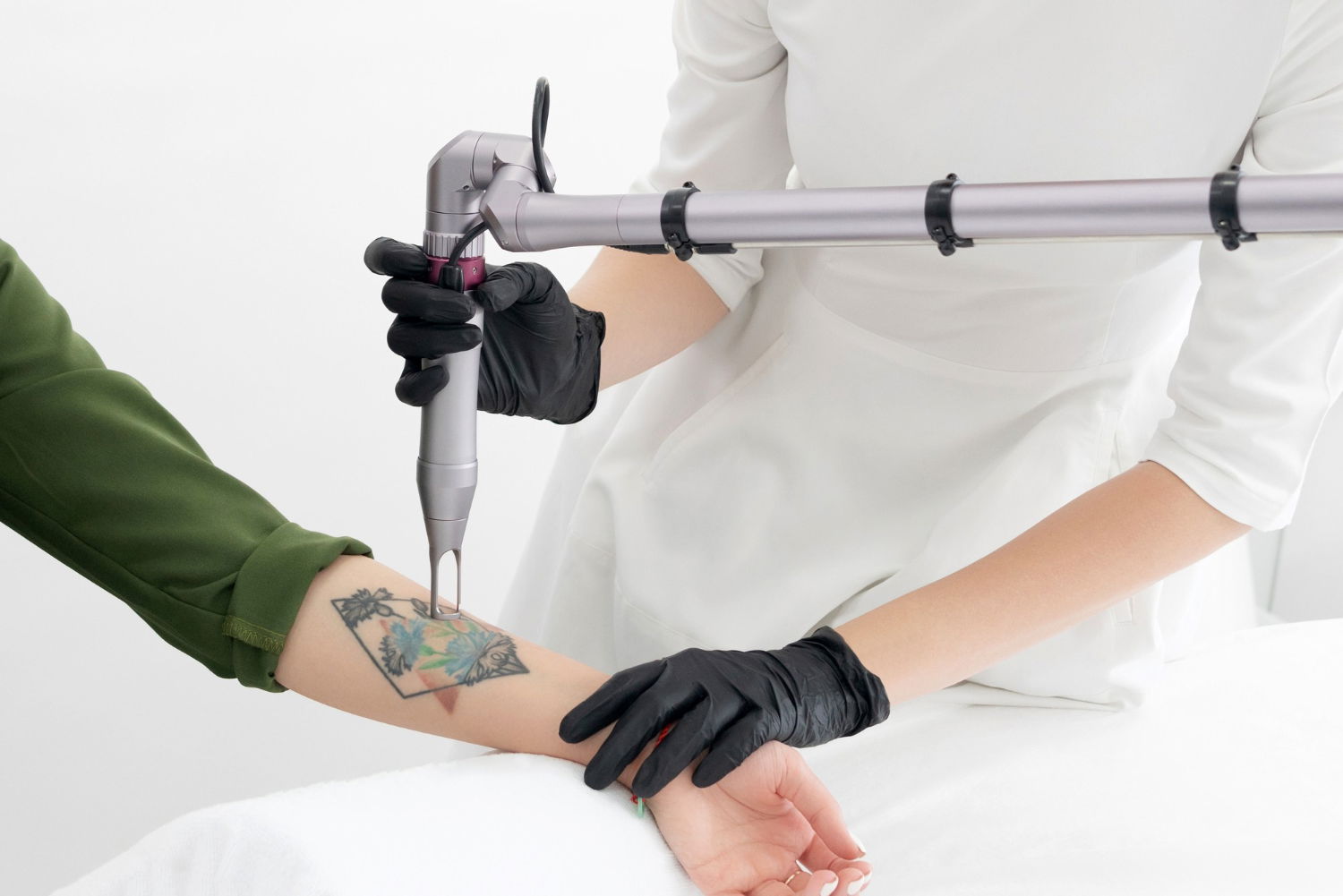
Tattoos are often intended to be permanent expressions of art or identity, but as time passes, our perspectives and skin can change. Whether it is a change in professional direction or a shift in personal taste, the technology available today offers a sophisticated way to clear the canvas.
When considering the process of Laser Tattoo Removal in Abu Dhabi, it is essential to understand the science behind how light interacts with ink and how the body naturally processes these changes. This guide explores the mechanisms, the effectiveness across various colors, and what one can expect during the journey toward clearer skin.
The Science Behind Laser Technology
Modern removal techniques rely on the principle of selective photothermolysis. This involves using specific wavelengths of light to target ink particles without damaging the surrounding skin tissue. When the laser hits the ink, it creates a rapid thermal expansion that shatters the pigment into microscopic fragments.
The Role of the Immune System
Once the ink is broken down by the laser, the body’s lymphatic system takes over. Specialized white blood cells, known as macrophages, engulf the tiny ink particles and transport them to the liver, where they are eventually excreted from the body.
Pulse Duration and Intensity
The effectiveness of the treatment depends heavily on the speed of the laser. Q-switched and Picosecond lasers are the industry standards. Picosecond technology, in particular, delivers energy in trillionths of a second, creating a mechanical “pressure wave” that is exceptionally efficient at pulverizing stubborn ink.
-
Fragmentation: Lasers break large ink deposits into dust-sized particles.
-
Biological Disposal: The body’s natural filtration system removes the shattered ink.
-
Precision: High-end lasers target only the pigment, leaving the skin intact.
Does Laser Tattoo Removal Work on Colors?
A common question for those with vibrant body art is whether multi-colored tattoos can be successfully faded. The answer is a resounding yes, though the process is more nuanced than removing standard black ink.
The Importance of Wavelengths
Different ink colors absorb different wavelengths of light. For example, black ink absorbs all laser wavelengths, making it the easiest to treat. However, colors like red, blue, and green require specific settings to ensure the energy is absorbed rather than reflected.
Challenging Pigments
Lighter colors, such as neon yellows and light blues, can be more reflective. To address these, practitioners use specialized handpieces that adjust the frequency of the light. While these colors may require more sessions, modern advancements have made it possible to see significant fading even in the most stubborn palettes.
Ink Chemistry and Results
The chemical composition of the ink also plays a role. Traditional inks are often easier to break down than modern, high-intensity synthetic pigments. Understanding that each color reacts uniquely is key to setting realistic expectations for the removal process.
-
Black/Dark Blue: These are the most responsive to standard laser treatments.
-
Red/Orange: Usually respond well to 532nm wavelengths.
-
Green/Sky Blue: Often require specialized 694nm or 755nm lasers for effective breakdown.
Factors Influencing the Removal Process
No two tattoos are the same, and several biological and environmental factors dictate how quickly the ink will disappear. Understanding these variables helps in planning the timeline for your skin’s transformation.
Tattoo Location
The proximity of the tattoo to the heart affects how fast it fades. Tattoos on the chest or neck usually fade faster than those on the ankles or fingers because the blood circulation and lymphatic drainage are much stronger closer to the core of the body.
Ink Density and Depth
Professional tattoos tend to have a higher density of ink and are placed deeper in the dermis compared to amateur tattoos. While this makes the art look better initially, it means more laser energy and more sessions are required to reach the deepest layers of pigment.
Skin Type and Tone
The contrast between the ink color and the skin tone is a significant factor. While technology has evolved to treat all skin types safely, the settings must be meticulously calibrated to ensure the laser distinguishes between the tattoo pigment and the natural melanin in the skin.
-
Circulation: Better blood flow leads to faster ink removal.
-
Saturation: Heavily “packed” ink takes longer to shatter completely.
-
Age of Tattoo: Older tattoos are often easier to remove as the body has already begun breaking them down over the years.
What to Expect During the Journey
Undergoing tattoo removal is a marathon, not a sprint. It is a biological process that requires patience and adherence to certain protocols to ensure the skin heals beautifully.
The Sensation of Treatment
Many describe the feeling of the laser as similar to a rubber band snapping against the skin. While there is discomfort, the sessions are typically very brief—often lasting only a few minutes depending on the size of the artwork.
The “Frosting” Effect
Immediately after the laser hits the ink, a white, chalky appearance known as “frosting” often occurs. This is a positive sign; it is caused by rapid heating releasing carbon dioxide from the skin, indicating that the laser has successfully interacted with the pigment.
Interval Periods
Sessions are usually spaced several weeks apart. This isn’t just for skin healing; it gives the immune system enough time to carry away the ink particles shattered during the previous session. Rushing the process does not speed up the fading, as the body can only process so much ink at once.
-
Efficiency: Most sessions are faster than the original tattooing process.
-
Reaction: Temporary whitening of the skin is a normal part of the procedure.
-
Patience: Time between sessions is vital for the body to clear the ink.
Maintaining Skin Integrity
The goal of removal is not just to get rid of the ink, but to leave the skin looking as natural as possible. Following professional advice during the “off” weeks is just as important as the laser sessions themselves.
Hydration and Health
Since the lymphatic system is doing the heavy lifting, staying hydrated and maintaining a healthy lifestyle can actually improve the speed of removal. A strong immune system processes the shattered ink more efficiently.
Protecting the Area
The skin will be sensitive to ultraviolet light following a session. Keeping the area covered or using high-quality sun protection is essential to prevent any changes in skin pigmentation and to ensure the area heals uniformly.
Avoiding Irritation
Allowing the skin to breathe and avoiding restrictive clothing over the treated area helps prevent unnecessary friction. Gentle care ensures that the texture of the skin remains smooth throughout the multi-month process.
-
Lifestyle: Non-smokers and hydrated individuals often see faster results.
-
Sun Safety: UV protection is the most critical part of post-session care.
-
Gentle Recovery: Avoiding harsh chemicals or scrubbing on the treated area promotes better healing.
Frequently Asked Questions
Can a tattoo be completely removed?
In many cases, yes. With the right technology and enough sessions, most tattoos can be faded to the point where they are no longer visible to the naked eye. Some residual “ghosting” may occur depending on the ink type, but complete clearance is a common goal.
How many sessions are typically required?
The number of sessions varies widely based on the size, color, and age of the tattoo. Generally, most people require between 5 to 10 sessions to achieve significant results, though some complex tattoos may require more.
Is the laser safe for all skin colors?
Yes, modern lasers are designed with adjustable settings to safely treat a wide range of skin tones. Specialized wavelengths ensure that the laser targets the ink specifically, minimizing interaction with the skin’s natural pigment.
Can I get a new tattoo over the same area?
Absolutely. Many people choose laser removal to fade an old piece specifically so they can “cover up” with new artwork. Once the skin has fully healed from the final laser session, it serves as a fresh canvas for a new design.

 dynamic Healthcare
 Dynamic Life Clinics