Lenvitz 71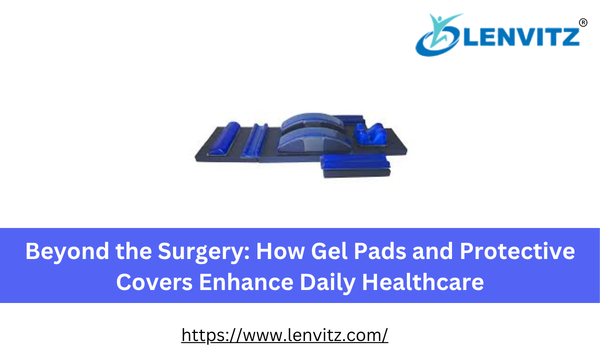
When a person undergoes a medical procedure, the primary focus is often on the surgeon’s skill. However, behind every successful surgery is a meticulous setup designed to protect the patient’s body while they are immobile. Among the most sensitive areas requiring protection is the head.
To ensure safety and comfort, hospitals utilize specialized tools like the Head Gel Pad, the versatile head ring, and the highly stable silicon head ring. For more complex procedures, a prone head rest becomes an essential safeguard. Let’s explore how these tools protect patients during their most vulnerable moments.
Why Head Protection is a Top Priority in the OT
The human head is heavy, and the skin covering the skull is relatively thin. During long surgeries, the constant pressure of the skull against a hard operating table can lead to complications such as scalp necrosis or even temporary hair loss. Furthermore, improper positioning can put undue strain on the neck and spine.
A medical-grade Head Gel Pad is designed to solve these issues. By mimicking the feel of human tissue, the Head Gel Pad redistributes weight and eliminates the “pressure points” that cause skin breakdown.
The Versatility of the Silicon Head Ring
One of the most common sights in an operating theater is the donut-shaped head ring. This simple yet ingenious design provides a stable base for the patient’s head, whether they are lying on their back or their side.
Benefits of the Silicon Head Ring
- Stability: The silicon head ring cradles the occipital area (the back of the head), preventing unwanted movement during delicate eye or ENT surgeries.
- Pressure Relief: Because it is hollow in the center, a head ring ensures that the most prominent part of the skull isn’t bearing the full weight of the head.
- Durability: Unlike foam versions, a silicon head ring does not lose its shape over time and is incredibly easy to sanitize, ensuring a sterile environment for every patient.
Mastering Safety with the Prone Head Rest
In some surgeries, such as those involving the spine or the back of the legs, the patient must be placed face-down. This is known as the prone position, and it presents the greatest challenge for head safety.
The prone head rest is a specialized piece of equipment designed to support the forehead and chin while leaving the eyes, nose, and mouth completely unobstructed. This is vital for:
- Protecting the Eyes: A prone head rest ensures there is zero pressure on the eyeballs, preventing post-operative vision complications.
- Maintaining the Airway: It allows the anesthesia team to easily manage breathing tubes.
- Neck Alignment: The prone head rest keeps the cervical spine in a neutral position, so the patient doesn’t wake up with severe neck strain.
Why Silicone Gel is the Preferred Material
Whether it’s a standard head ring or a complex prone head rest, the quality of the material is paramount. High-quality silicon head ring products are preferred because they are hypoallergenic, fluid-proof, and X-ray translucent. They provide a “floating” sensation that protects the nerves and skin better than any other material on the market.
Conclusion: A Foundation of Care
A successful surgical outcome is about more than just the procedure; it’s about how the patient feels when they wake up. By using the right Head Gel Pad and a supportive head ring, medical teams can prevent avoidable injuries.
From the simple silicon head ring to the advanced prone head rest, these tools represent a commitment to patient-centered care, ensuring that every individual is supported with the highest level of safety and comfort throughout their surgery.


 Enfield Abu Dhabi
 Jeena Sikho HiiMS