Lenvitz 71
When we think about surgery, we often focus on the surgeon’s skill or the high-tech monitors in the room. However, there is a silent hero in the operating theater that plays a massive role in patient safety: Patient Positioning Gel Pads.
Whether you are a healthcare professional or a patient preparing for a procedure, understanding how silicon gel pads protect the body during surgery is vital for a smooth recovery.
Why Proper Positioning Matters During Surgery
During long medical procedures, patients are often unable to move or shift their weight. This immobility, combined with the hard surface of an OT table, can lead to serious complications such as pressure ulcers (bedsores) or nerve damage.
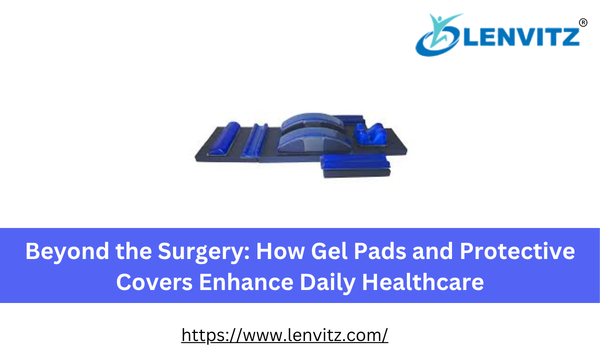
This is where OT table positioning gel pads come into play. These specialized tools are designed to redistribute weight and provide a cushioned environment that mimics the feel of human tissue.
The Science Behind Silicon Gel Pads
Standard foam cushions can bottom out, losing their effectiveness over time. In contrast, silicon gel pads are engineered to:
- Redistribute Pressure: They spread the patient’s weight evenly across the surface.
- Reduce Shear: They allow for slight movement without causing friction against the skin.
- Maintain Temperature: They provide a neutral thermal environment, which is crucial for patient stability.
Types of Patient Positioning Gel Pads
Every surgery requires a different posture—whether it’s lying on the back (supine), side (lateral), or stomach (prone). Consequently, there are specific gel pads designed for every part of the anatomy:
1. Head and Neck Protectors
Donut-shaped gel pads are frequently used to stabilize the head. They protect the occipital nerve and prevent hair loss caused by prolonged pressure during neurosurgery or ENT procedures.
2. Arm and Elbow Rests
Nerve damage in the ulnar nerve is a common risk. Using contoured patient positioning gel pads for the arms ensures that the limbs remain in a natural position without pressing against the metal rails of the table.
3. Chest and Hip Positioners
For patients lying face down, specialized OT table positioning gel pads support the chest and pelvis. This allows for better chest expansion (breathing) while protecting sensitive bony prominences.
The Benefits of Using Gel Pads in the OT
Using high-quality gel pads isn’t just about comfort; it’s about clinical outcomes.
- Prevention of Pressure Sores: By eliminating “hot spots” of pressure, these pads significantly reduce the risk of post-operative skin breakdown.
- Durability and Hygiene: Most silicon gel pads are encased in a leak-proof membrane that is easy to disinfect, making them a sustainable choice for busy hospitals.
- Cost-Effectiveness: While the initial investment might be higher than foam, the longevity and the prevention of expensive-to-treat pressure ulcers make them a smart financial choice for clinics.
Conclusion: Putting Patient Safety First
In the fast-paced world of healthcare, the small details often make the biggest difference. Patient positioning gel pads ensure that while the surgeon works on the “big picture,” the patient’s skin and nerves are shielded from harm.
By integrating high-quality silicon gel pads and OT table positioning gel pads into standard surgical protocols, hospitals can guarantee a higher standard of care and a faster, less painful recovery for their patients. When it comes to surgery, a little bit of gel goes a long way in providing peace of mind.


 Enfield Abu Dhabi