Susan Armadale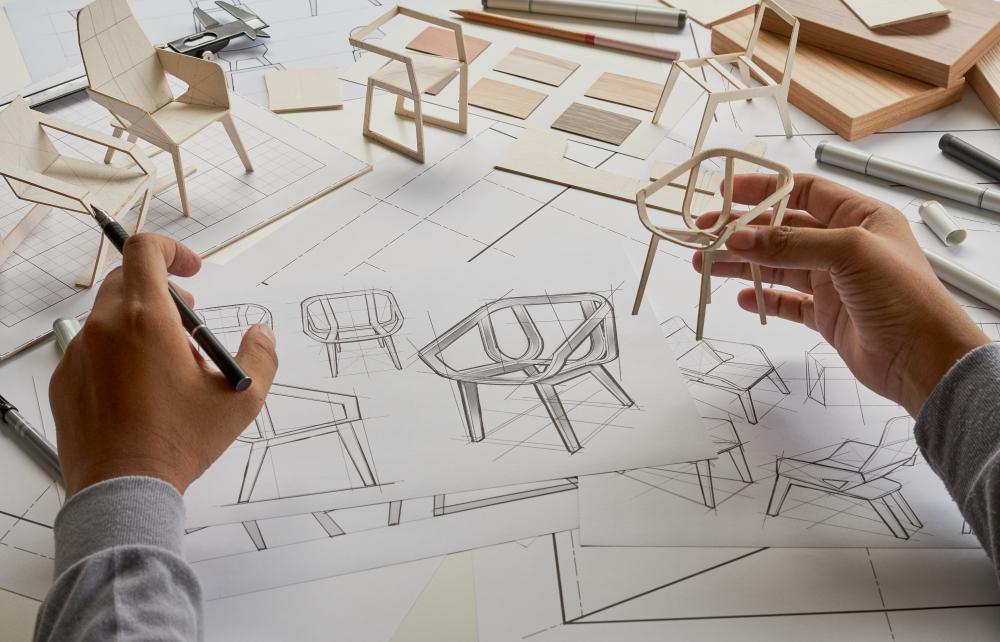
prototype product design is one of those things people talk about like it’s all theory and whiteboard sketches. But in the real world, it’s messy. It’s duct tape fixes, ugly first versions, and a lot of “this might fail, but let’s try anyway.”
And honestly, that’s where the good stuff usually starts. Not in the final polished product, but in the prototype stage where ideas are still half-baked and fragile. That’s where companies either figure it out or quietly die off.
Let’s walk through some real-world examples where prototype thinking didn’t just help—it basically shaped entire industries.
Why prototype product design is where the real work begins
Most people assume products are “designed” at the end. Like engineers just refine things until they look pretty and ready for shelves.
That’s not how it works.
In real prototype product design, the early version is often ugly. Sometimes it barely works. But that’s the point. You’re not trying to impress customers yet. You’re trying to find out if the idea even deserves to exist.
The companies that get this right don’t fall in love with their first version. They keep breaking it, rebuilding it, and testing it again. Over and over.
And that’s where the success stories start forming.
Apple iPhone: the prototype that didn’t look like a phone at first
People forget this, but the first iPhone prototype wasn’t sleek glass and smooth edges. It was clunky. It was software running on modified hardware, and early internal builds were more experiment than product.
Apple tested multiple interface models before they even locked the touchscreen direction. There were versions where the scroll felt off, where gestures were confusing, where nothing felt “natural” yet.
But the prototype stage gave them clarity. They weren’t guessing—they were testing human behavior.
And that’s the real lesson. The final iPhone wasn’t magic. It was just the last version of a thousand failed ideas in prototype product design.
Dyson vacuums: thousands of failures before one success
James Dyson didn’t “design” a successful vacuum in one go. That’s the myth.
He built over 5,000 prototypes before landing on the first bagless vacuum that actually worked commercially.
Think about that for a second. Five thousand iterations. Most people quit after five.
Each prototype was a small correction. Airflow tweaks. Cyclone separation adjustments. Structural redesigns that looked minor but changed everything.
What makes Dyson interesting is not just innovation, but stubborn prototype product design discipline. No emotional attachment to failure. Just constant iteration.
And yeah, it took years. That’s usually how real breakthroughs behave.
Airbnb: the prototype was literally a living room air mattress
Airbnb didn’t start as a global platform. It started with three guys renting out air mattresses in their apartment because they couldn’t pay rent.
That’s it. No platform. No polished UX. Just a basic website and a very uncomfortable prototype idea: “What if strangers stayed in your home?”
The early version was rough, borderline chaotic. Listings were inconsistent. Trust was a huge problem. Photos were terrible.
But that prototype worked because it tested one thing: would people actually stay in a stranger’s home?
Once that was validated, everything else—payments, trust systems, reviews—became engineering problems, not idea problems.
That’s the difference prototype product design makes. It strips things down to the real question.
Tesla Model S: prototype cars that looked like science projects
Before Tesla Model S became a luxury electric sedan, early prototypes were basically experimental shells on modified chassis.
The Roadster itself was a prototype-heavy product. Parts were borrowed, repurposed, or custom-built in ways that would make traditional automakers uncomfortable.
Even early Model S testing units had software glitches, inconsistent battery performance, and build issues that would’ve killed most projects in corporate environments.
But Tesla kept pushing prototypes into real-world testing instead of hiding them in labs.
That decision changed everything. Because the prototype wasn’t just a model—it was a stress test for the entire ecosystem.
And yeah, it broke a lot. But it also proved EVs could actually scale.
Google Glass: a prototype that was ahead of its time (maybe too ahead)
Google Glass is a weird one. Not a failure exactly, but not a mainstream success either.
The prototype product design was ambitious—wearable computing, voice commands, augmented reality overlays.
Early prototypes worked, but they felt intrusive and socially awkward. People didn’t know how to use them in public without feeling… watched.
Technically, it was impressive. But prototyping revealed something critical: just because something works doesn’t mean people want it in their daily life.
That’s an important lesson most teams ignore. Prototype validation isn’t just about function. It’s about behavior, culture, and acceptance.
Google Glass basically proved that too early can feel wrong.
Spotify: early versions were clunky, but they nailed the loop
Spotify didn’t start as the smooth streaming app people know today. Early prototypes were slow, buggy, and limited in catalog access.
But what they tested early was the core loop: search, play, discover, repeat.
Even when the UI was rough, that loop worked. And that’s all they cared about in prototype product design.
Instead of obsessing over visuals, they obsessed over user behavior patterns.
That’s why Spotify scaled so fast later. The prototype already proved the emotional experience: instant music access without friction.
Everything else was just cleanup.
What all these prototype product design examples actually teach us
If you look at all these examples together, there’s a pattern.
Nobody got it right the first time. Not even close.
The successful ones treated prototypes like questions, not answers. They didn’t say “this is the product.” They said “is this direction even worth continuing?”
That mindset changes everything.
Because prototype product design isn’t about building something perfect. It’s about reducing uncertainty.
And most failures happen when teams skip that stage or rush it because they want something “presentable” too early.
That’s where good ideas die quietly.
The uncomfortable truth about prototyping
Here’s the part people don’t like hearing.
Most prototypes should fail. That’s literally the job.
If everything works perfectly on the first try, you probably didn’t test enough risk. You stayed too safe.
The best teams I’ve seen treat prototypes like disposable experiments. Not assets. Not marketing material. Just temporary learning tools.
And yeah, sometimes that feels inefficient. But it’s cheaper than launching the wrong product.
A bad prototype is just feedback. A bad launch is damaging.
Big difference.
Why companies still mess this up
Even today, companies over-design prototypes. They polish too early. They present internal demos like finished products.
And then reality hits later—users behave differently, edge cases explode, assumptions fall apart.
Prototype product design only works when you’re willing to look a bit foolish internally. Rough builds, broken flows, half-working features. That’s normal.
The problem is ego. People want prototypes that look impressive instead of prototypes that reveal truth.
Those are not the same thing.
Final thoughts
Prototype product design isn’t glamorous. It’s not the part people show off in pitch decks. But it’s where everything really gets decided.
Apple didn’t start with perfection. Neither did Dyson, Tesla, Airbnb, or Spotify. They started with messy, uncertain versions that barely worked—but taught them what to build next.
That’s the real advantage of prototyping. It removes guesswork.
And if you’re serious about building something that lasts, this is the stage you don’t rush. You explore it properly, test hard, and accept that failure is part of the process.
This is also where strong Product Launch Consulting becomes valuable—because once your prototype proves the idea works, the next challenge is turning that raw concept into something the world actually understands, trusts, and adopts.


 Jhon Kary
 nikita pawar