Akhil Singh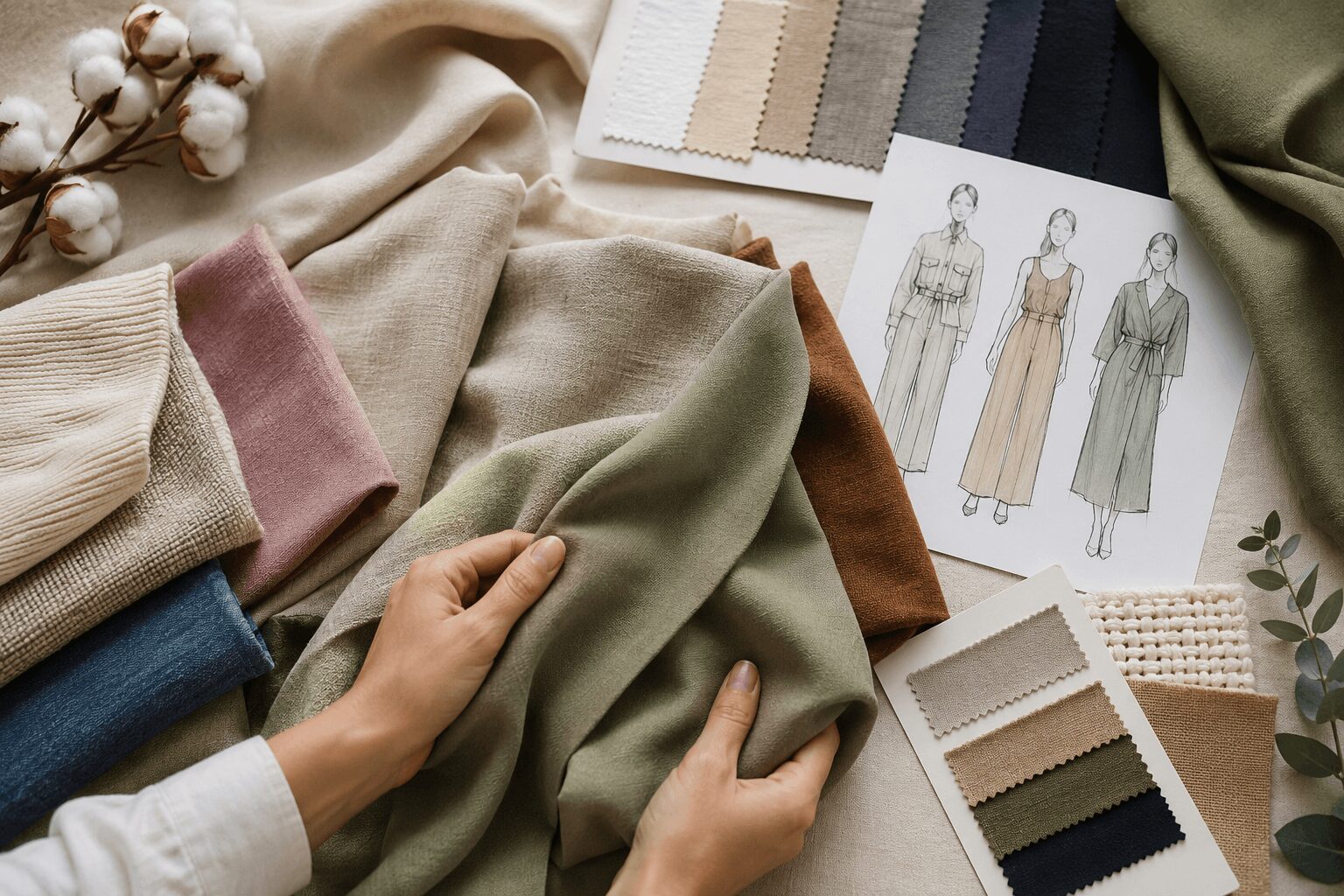
Starting a fashion brand is exciting, but one of the most critical decisions you will make as a designer is choosing the right fabric. The fabric you choose directly affects how your garments look, feel, perform, and how customers perceive your brand. Many beginners make the mistake of focusing only on design sketches while treating fabric selection as an afterthought. That approach can seriously hurt your brand reputation before it even gets off the ground. Whether you are launching a streetwear label, a bridal line, or a sustainable clothing range, understanding fabric is your foundation.
Why Fabric Choice Defines Your Brand Identity
Every successful fashion brand has a signature feel. Think about how certain brands are known for their luxurious drape or their crisp tailored structure. That identity is built largely through consistent fabric choices. When customers pick up your garment, the first thing they experience is the fabric. Before they even look at the cut or the stitching, their hands are telling them a story about your brand. If you are building a premium label, you need fabrics that speak premium. If your brand is about comfort and everyday wear, your fabric choices need to reflect that softness and durability.
Fabriculture Store is a great starting point for designers who want access to a wide variety of quality fabrics across multiple categories. From natural fibers to blended textiles, having a reliable fabric source allows you to stay consistent and build that brand identity customers will recognize and trust.
Understanding the Basic Fabric Categories
Before you start buying, you need to understand the basic categories of fabric available to you.
Natural fabrics include cotton, linen, silk, and wool. These are breathable, biodegradable, and generally more comfortable against the skin. They tend to be more expensive but offer a premium feel that many customers are willing to pay for.
Synthetic fabrics include polyester, nylon, acrylic, and spandex. These are more affordable, more durable in many cases, and easier to care for. However, they do not breathe as well and can feel less luxurious depending on the quality.
Blended fabrics combine natural and synthetic fibers to get the best of both worlds. A cotton-polyester blend, for example, gives you the comfort of cotton with the durability and wrinkle resistance of polyester.
Matching Fabric to Garment Type
One of the biggest beginner mistakes is choosing a fabric purely based on how it looks on a swatch rather than how it will behave when constructed into a garment. Different garment types demand different fabric properties.
For structured garments like blazers and trousers, you want fabrics with body and weight such as wool, tweed, or heavy cotton. These hold their shape and create clean lines.
For flowy garments like maxi dresses, blouses, and draped tops, you need fabrics with a soft fall such as chiffon, rayon, or silk. These move beautifully and create that elegant silhouette.
For activewear and athleisure, stretch and moisture-wicking properties are essential. Fabrics like spandex blends and performance polyester serve this purpose well.
For kids clothing and innerwear, softness and hypoallergenic properties are non-negotiable. Organic cotton is a popular choice here.
How to Read Fabric Specifications
When you are buying fabric, especially online, you will encounter technical specifications. Understanding these will save you from costly mistakes.
GSM stands for grams per square meter and tells you the weight of the fabric. A higher GSM means a heavier, denser fabric. Lightweight fabrics are typically under 150 GSM, medium weight sits between 150 to 300 GSM, and heavy fabrics go above 300 GSM.
Thread count matters most for woven fabrics and indicates how tightly the fabric is woven. A higher thread count generally means a smoother, finer fabric.
Weave type affects texture and structure. Plain weaves are simple and durable, twill weaves create a diagonal pattern and are more durable, and satin weaves produce that smooth, shiny finish.
Budgeting for Fabric as a New Brand
Budget is always a concern when starting out. The key is not always to buy the cheapest option but to find the best value for your target market. If your brand is positioned at a mid-range price point, buying the most expensive fabric will eat into your margins. At the same time, buying the cheapest fabric for a premium brand will destroy your reputation.
Start by sampling multiple fabrics from suppliers like Fabriculture Store before committing to large orders. Order small quantities, make samples, wash them, wear test them, and get feedback before scaling.
Building Relationships with Fabric Suppliers
Long-term success in fashion depends heavily on reliable supply chains. Once you find fabrics that work for your brand, build a relationship with your supplier. Know their lead times, minimum order quantities, and stock availability. A supplier you trust is worth more than one that offers slightly cheaper prices but inconsistent quality.
Final Thoughts for Beginner Designers
Fabric selection is not a one-time decision. As your brand grows and evolves, so will your fabric knowledge and requirements. Keep learning, keep testing, and never stop exploring new materials. The fashion industry rewards designers who understand their craft deeply, and fabric knowledge is a massive part of that craft. Start smart, source well, and build a brand that customers can feel from the moment they touch it.

 loom fashion
 hazel cassel