Navimumbaihiims Mumbai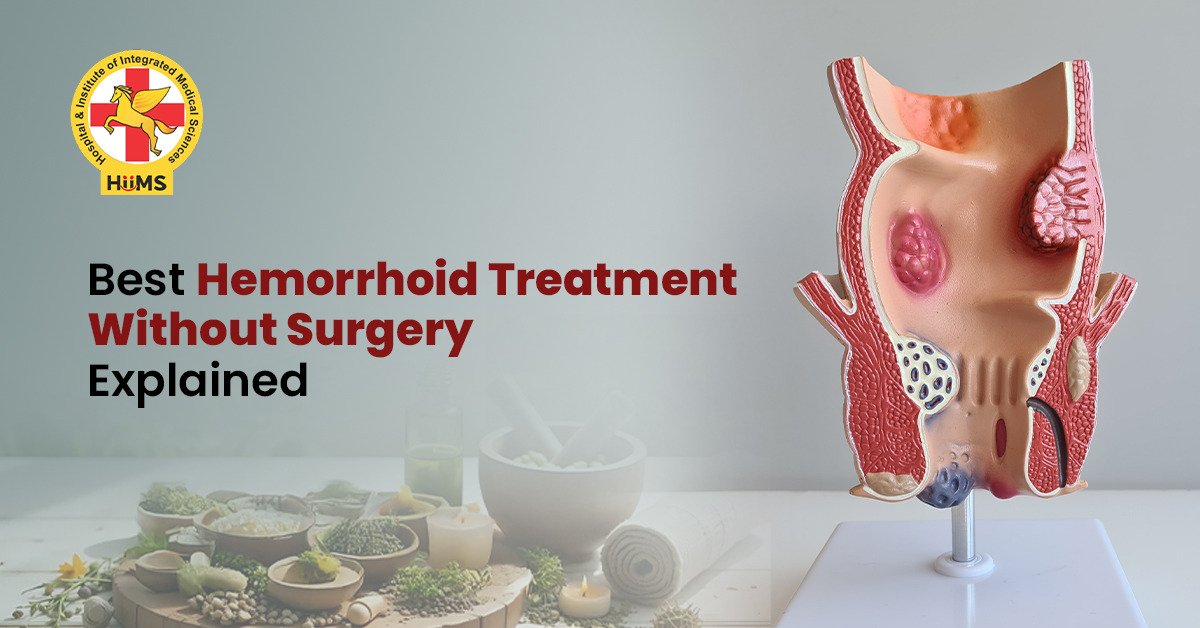
Hemorrhoids may begin as a small discomfort, but over time they can slowly affect everyday life. Some people notice mild itching after bowel movement, while others experience burning, swelling, or pain during long sitting hours. Because the symptoms often appear gradually, many people ignore them in the beginning and continue with their regular routine.
Still, piles rarely improve when constipation, hard stool, dehydration, and unhealthy eating habits continue every day. Pressure on the rectal veins keeps increasing, which may make the discomfort more noticeable with time. That is why many patients today look for the best hemorrhoid treatment that feels gentle, practical, and focused on long-term comfort instead of only temporary relief.
Many people also fear surgery because they imagine pain, stitches, hospital stays, and long recovery periods. For this reason, non-surgical and Ayurvedic care has become a preferred choice for those who want a natural and balanced healing approach.
In this blog, we will understand hemorrhoids in simple words, learn why they develop, explore common symptoms, and discover how Ayurveda and healthy lifestyle changes may support piles treatment without surgery.
Understanding Hemorrhoids in Simple Language
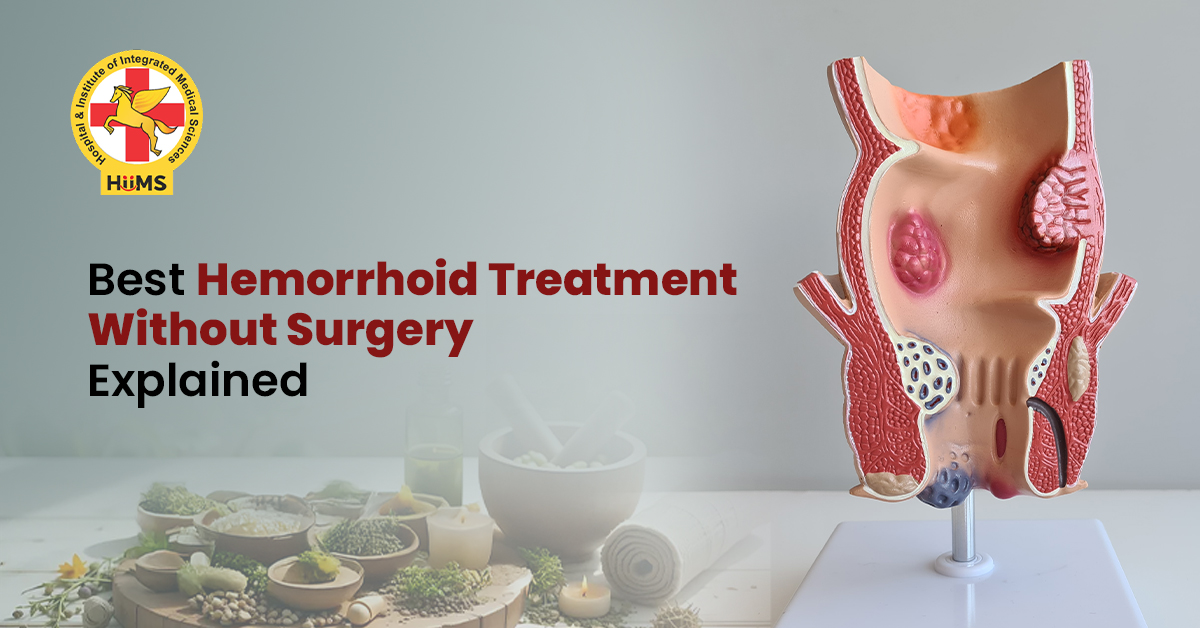
Hemorrhoids, also called piles, are swollen veins around the lower rectal area. These veins become enlarged because of repeated pressure during bowel movement. Some hemorrhoids remain inside the rectum, while others develop around the outer area.
Internal Hemorrhoids
Internal hemorrhoids stay inside the rectum and may not cause pain in the beginning. People usually notice symptoms such as:
- Bleeding during bowel movement
- Feeling of incomplete bowel emptying
- Mild discomfort while passing stool
- Occasional irritation
External Hemorrhoids
External hemorrhoids develop around the outer area and may cause more visible discomfort, including:
- Pain while sitting
- Burning sensation
- Swelling
- Itching and irritation
Many people first realize the condition only when daily activities start becoming uncomfortable.
Why Hemorrhoids Develop Slowly Over Time
Piles usually do not appear suddenly. They develop slowly when pressure on the veins keeps increasing again and again.
Common Causes of Hemorrhoids
Several daily habits may contribute to piles formation:
- Long-term constipation
- Hard stool and straining
- Low-fibre meals
- Drinking less water
- Sitting for long hours
- Lack of physical activity
- Pregnancy-related pressure
- Poor digestion
Modern lifestyle habits, especially long office sitting and irregular eating patterns, have made piles more common among younger adults as well.
Who Is More Likely to Develop Piles?
Certain groups of people may face a higher risk of hemorrhoids.
Office Workers
People who sit continuously for long hours often experience poor bowel movement and increased pressure around the lower veins.
Pregnant Women
Pregnancy increases pressure inside the body, especially during later stages, which may contribute to piles.
Older Adults
With age, digestion may become weaker and bowel movement slower, increasing constipation-related discomfort.
People with Chronic Constipation
Repeated straining during bowel movement remains one of the biggest reasons behind piles.
Why Many People Prefer Piles Treatment Without Surgery
Many patients delay treatment because they worry about surgery. The fear of pain, recovery time, and hospital procedures often makes people ignore symptoms for months.
Today, many patients search for non-surgical care because they want a gentler healing process.
Benefits of Non-Surgical Hemorrhoid Treatment
Non-surgical approaches mainly focus on:
- Improving digestion
- Softening stool naturally
- Reducing pressure during bowel movement
- Supporting better bowel habits
- Providing gradual and comfortable recovery
For many early and moderate cases, lifestyle correction and Ayurvedic therapies may help support better comfort without aggressive procedures.
Best Hemorrhoid Treatment Without Surgery: Ayurvedic Approach
Ayurveda views piles as a condition connected with weak digestion, bowel imbalance, dryness, and unhealthy food habits.
Instead of focusing only on symptoms, Ayurvedic care works on balancing digestion and improving the body’s natural healing process.
Ayurvedic Therapies Used for Hemorrhoids Disease Treatment
Kshar Sutra Therapy
Kshar Sutra is a traditional Ayurvedic method that uses a medicated herbal thread. This thread is carefully applied so the pile mass gradually shrinks over time.
Many people prefer this method because:
- It is less aggressive than major surgery
- Recovery feels more manageable
- The process is gradual and controlled
- It focuses on natural healing support
Basti Therapy
Basti therapy uses herbal oils or herbal liquids to support bowel comfort and smoother stool movement.
This therapy may help:
- Reduce dryness
- Support easier bowel movement
- Improve lower digestive balance
- Reduce constipation-related strain
People who regularly experience hard stool often feel relief because the therapy feels gentle on the body.
Herbal Support in Ayurveda
Ayurveda uses different herbs to support digestion and bowel balance naturally.
Triphala
Triphala is commonly used to support smoother bowel movement and help prevent hard stool.
Haritaki
Haritaki is often used to improve digestion and reduce constipation.
Amla
Amla supports digestive balance and overall wellness.
Neem and Turmeric
Neem and Turmeric are often used when irritation and discomfort become noticeable.
These herbs are commonly included in piles treatment without surgery because they support digestion and healthy bowel habits naturally.
Foods That Help During Piles Recovery
Diet plays an important role in hemorrhoids recovery.
Fibre-Rich Foods
Fibre helps stool stay softer and easier to pass.
Helpful foods include:
- Fruits
- Vegetables
- Oats
- Whole grains
- Salads
- Seeds
Hydration Matters
Drinking enough water throughout the day helps prevent dryness and supports easier bowel movement.
Foods to Avoid
Certain foods may increase irritation or constipation:
- Very spicy food
- Deep-fried meals
- Processed snacks
- Excess tea or coffee
- Low-fibre junk food
Lifestyle Habits That Support Better Recovery
Daily routine changes can make a big difference during piles recovery.
Avoid Long Sitting Hours
Taking small walking breaks may help reduce pressure on the lower veins.
Regular Physical Activity
Simple walking and stretching help improve digestion and bowel movement.
Avoid Straining
Forcing bowel movement increases pressure and may worsen discomfort.
Maintain a Regular Toilet Routine
Healthy bowel habits help reduce unnecessary strain on the body.
Why Many People Choose Jeena Sikho HIIMS
At Jeena Sikho HIIMS, the focus stays on improving overall digestive balance instead of only managing visible symptoms.
The care approach looks at:
- Digestion
- Daily food habits
- Bowel routine
- Lifestyle patterns
- Natural healing support
Many people prefer this style of care because it feels more balanced, gentle, and supportive for long-term wellness.
Conclusion
Hemorrhoids may begin quietly, but they should not be ignored for too long. When the body receives proper hydration, fibre-rich meals, healthy movement, and Ayurvedic support, recovery often becomes smoother and more comfortable.
Surgery is not always the first answer, especially in early and moderate cases where natural care and lifestyle correction may help reduce discomfort gradually. That is why many people now look for the best hemorrhoid treatment options that focus on gentle healing and long-term comfort.
If piles symptoms are troubling you, early care can make recovery much smoother. For health concerns, you can also take an online video consultation (VOPD) and Book an appointment with experienced doctors at Jeena Sikho HIIMS from your home itself.

 Jeena Sikho HiiMS
 Encompass Sports Therapy