Evan Stone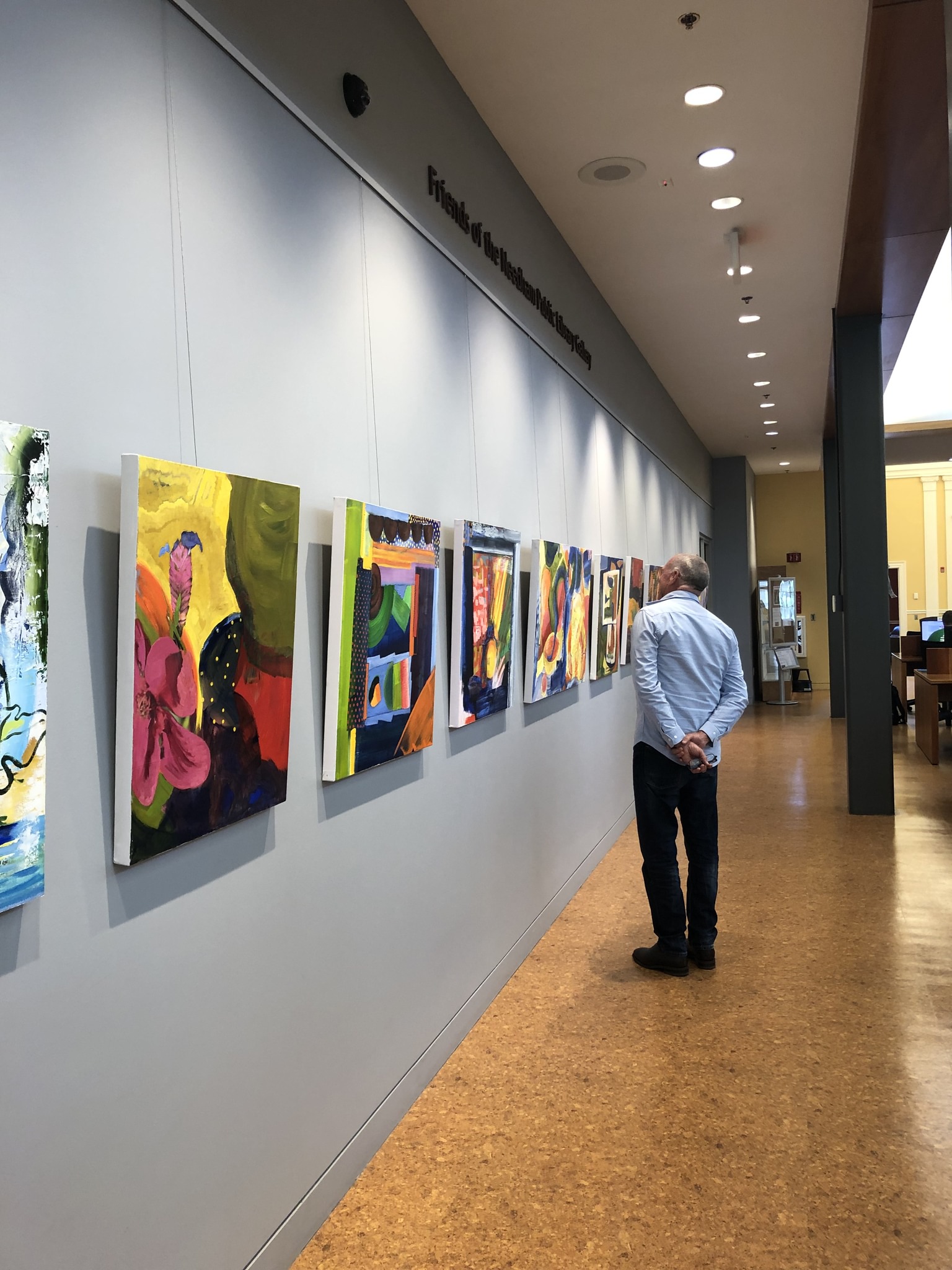
There is a version of office design that treats art as decoration, something to fill blank wall space and signal that someone cared enough to hang something. That version underestimates what art actually does in a workplace. The evidence for art’s impact on motivation, culture, wayfinding, and employee wellbeing is more substantial than the decoration framing suggests. And the practical question of how to install and manage workplace art well is one more organisations are taking seriously.
Motivational Benefits of Art in the Workplace
The relationship between the physical environment and employee performance is well-documented in workplace psychology. A published study found that workers in enriched environments, including those featuring art and plants, were 15 per cent more productive than those in lean, undecorated spaces. A separate line of research has consistently linked aesthetic quality of the work environment to employee wellbeing, with higher-quality environments correlating with lower stress and higher reported job satisfaction.
Art, specifically, does something that generic interior design does not. It gives people something to look at, think about, and respond to. It breaks the visual monotony of a standard office and provides moments of genuine engagement in a workday that might otherwise offer very few. A piece that provokes curiosity, that references something about the organisation’s values or history, or that simply gives someone a visual pause in a difficult afternoon, does more than fill a wall.
Forbes contributor Victor Lipman wrote on this dynamic directly, noting that art in the workplace is one of the underused tools in the motivational toolkit. Unlike salary increases or restructured roles, quality art and a thoughtful physical environment cost relatively little to implement and produce a persistent, low-maintenance return. The motivational dividend of a well-designed workspace is not a one-time event; it compounds across every hour employees spend in it.
Art as a Tool for Wayfinding, Culture, and Employee Ownership
This is where workplace art does something that home or gallery art rarely needs to do. In a commercial context, art can carry directional, cultural, and identity functions that make it a genuine organisational tool rather than an aesthetic choice.
Wayfinding through art is more sophisticated than it sounds. Distinct art choices for different zones, floors, or departments give people visual anchors in a building. The creative department feels different to the finance floor not because of signage but because the artwork is different. Navigation becomes intuitive rather than reliant on posted maps or constant asking for directions. For larger organisations in multi-level buildings, this use of art as spatial signalling is both functional and design-conscious.
Culture is harder to define but easier to feel. The art hanging in a workplace communicates something about what the organisation values, whether that is deliberately chosen or not. A company that installs generic mass-produced prints is communicating something different to one that sources original work by Australian artists, or commissions pieces connected to the organisation’s history or mission. Neither is wrong, but the choice is not neutral. Organisations that use art intentionally can reinforce cultural messages that internal communications and values statements sometimes struggle to land.
Employee ownership of the art environment is an extension of this. Some forward-thinking workplaces involve employees in art selection or rotation, or display work by employees themselves. This is not a universal approach, but where it is implemented it tends to produce genuine engagement. People pay more attention to spaces they have had a hand in shaping. Art that has been chosen collectively or that reflects employee identity creates a sense of belonging that a landlord-standard office fitout rarely delivers.
Hanging Art at Work: 3 Benefits That Go Beyond Aesthetics
The conversation about workplace art often stays at the level of how it looks. These three benefits go a level deeper.
It Reduces Stress in High-Pressure Environments
Research on hospital environments, where stress is particularly high and the stakes of patient experience are well understood, has consistently found that exposure to nature imagery and art reduces stress markers in both patients and staff. While most workplaces are not hospitals, the mechanism is similar. Visual exposure to engaging or calming imagery reduces cortisol levels and provides momentary cognitive relief from task focus. In high-pressure work environments, particularly those involving complex decision-making or sustained concentration, the cumulative effect of small visual breaks matters. Art in the workplace is not a productivity gimmick. It is a low-cost environmental intervention that pays consistent returns.
It Makes Physical Spaces More Adaptable
This is where the practical question of how art is hung becomes as important as what is hung. A workplace that uses a professional art hanging system can rotate its collection, respond to changing team needs, and update the environment without wall damage, redecoration, or significant cost. The Gallery System’s track-based art hanging systems, designed for exactly this kind of ongoing, flexible use, mean that the art environment can evolve as the organisation does.
Walls fitted with art hanging systems from The Gallery System Australia can accommodate new acquisitions, seasonal rotations, employee exhibitions, and client-facing display changes without ever touching the wall surface. Art hanging clips and adjustable hooks allow height and placement to be modified in minutes. For organisations that take their art environment seriously but also operate in a practical world of budgets and building tenancies, this kind of flexibility is genuinely valuable. No new holes, no repainting, no permission required from the building manager for each change.
It Signals Investment in the People Who Work There
This may be the most underrated benefit of all. In a competitive talent market, the physical environment of a workplace is part of what an organisation communicates to potential hires and retains for existing employees. A thoughtfully curated art environment signals that the organisation has considered the experience of the people working in it. That signal is not lost on candidates evaluating offers or on employees deciding whether they feel valued.
It does not require an expensive art budget to make this work. Rotating prints, local artist acquisitions, framed photography from within the organisation’s own history, or employee work can all contribute to an art environment that feels intentional and generous. What matters is that someone has thought about it, which is itself a form of acknowledgment that the environment people spend their working hours in is worth caring about.
Making Workplace Art Work Practically
The gap between wanting great workplace art and actually achieving it often comes down to practicality. Who hangs it? What happens when it needs to move? How do you manage a rotating collection across multiple floors without constantly calling in a tradesperson?
A professional art hanging system installed once becomes the infrastructure that makes all subsequent decisions easy. The Gallery System’s track systems, including the standard Gallery System for heavier works and the Slimline System for a more discreet profile, fix to the wall at picture rail height or close to the ceiling. From that point, every display decision is made at the level of the hanger and hook, not the wall. Art hanging clips keep works level and stable. Works can be repositioned individually or wholesale in the time it takes to make a coffee.
For facilities managers and office managers dealing with art as part of their broader responsibilities, this is a significant operational improvement. Instead of scheduling trades for each display change, maintaining a repair and repaint budget for hole damage, and managing the logistics of a constantly changing wall surface, the system handles all of it.
Conclusion
Art in the workplace is not an indulgence for organisations that can afford to think about it. The evidence for its benefits is consistent enough that it is better understood as a practical investment in the quality of the environment people spend a significant portion of their lives in. The question is not whether art belongs in the workplace. It is how to manage it well.
The Gallery System Australia supplies professional art hanging systems designed for exactly this context: flexible, wall-safe, and built for spaces that take their display environment seriously. Explore the full range at thegallerysystem.com or contact the team to discuss the right system for your workplace.


 nikita pawar
 ken ganleygmc