Lifton Chains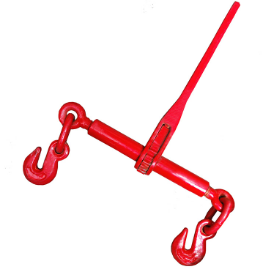
If you’ve ever stood near a loading yard or watched trucks being prepared for transport, you’ll notice something very consistent. Nothing is left loose. Everything is tied, locked, or strapped down properly before the vehicle moves. There’s a simple reason for that. Heavy materials don’t stay still once the vehicle starts moving. Even if everything looks stable at the start, the moment the truck hits a bump, takes a turn, or brakes suddenly, the load starts to shift little by little. That small movement is enough to create problems. So people don’t just rely on chains. Chains alone can loosen during travel, especially on longer routes. This is where a Load Binder becomes important. It’s a basic tool used to pull chains tight and keep them in that tight position while the cargo is being transported. It doesn’t look complicated, and it isn’t. But in reality, it’s one of those tools you always end up needing when heavy loads are involved.
What a Load Binder is actually doing
A Load Binder is just something that tightens chains. You wrap a chain around a load, but that chain will always have a little slack. That slack is what causes movement later. So the binder is used to remove that slack and pull everything tight. Once it is tightened, it holds the chain in place so it doesn’t loosen easily while the vehicle is moving. You’ll mostly see it being used in places where heavy things are handled every day, such as trucks, construction sites, warehouses, and shipping areas. It doesn’t need electricity or machines. It works manually, which is part of why it’s still widely used everywhere.
Why is it needed in real transport work?
- Securing a load may sound simple at first, just tie it properly, and it should be fine. But in actual transport work, it doesn’t stay that simple.
- Roads are never the same everywhere. Some parts are smooth, while others are full of bumps, uneven patches, or sudden turns. This keeps affecting the load during the journey.
- A moving vehicle is never completely stable. Every brake, every turn, and every small vibration slowly puts pressure on the chains holding the load.
- Because of this constant movement, chains that were tight at the start can slowly become a little loose as the journey continues.
- Once the chain loosens even slightly, the load begins to shift. At first, it may not look like a big change, but it can affect how stable everything is inside the vehicle.
- A Load Binder is used to control this problem. It helps keep the chain tight so there is no extra space for the load to move.
- In simple terms, it just helps make sure the cargo stays in the same position from the start of the journey until the end.
Types of Load Blinder
There are two common types of Load Binder, and both are used depending on how people prefer working.
-
Lever type
This is the more traditional one. It uses a lever to tighten the chain quickly.
When you use it, the tightening happens in one strong movement. It feels fast, and it gets the job done quickly.
But because it uses sudden force, it also needs care. People who use it regularly know you can’t be careless with it.
It’s usually chosen when speed is more important.
-
Ratchet type
This one works more slowly, but in a controlled way.
Instead of one strong movement, you tighten it step by step. Each turn adds a bit more tension to the chain.
It feels more gradual and less force-heavy.
Most people find it easier to handle because you can control how tight you want the chain to be without rushing.
How it works
The process is actually quite simple. First, the chain goes around the load. Then, both ends are connected using the Load Binder. After that, you start tightening it using either the lever or the ratchet system. As you apply force, the slack in the chain slowly disappears. The chain becomes tighter around the load. Once it reaches the required tightness, the binder holds it in place so it doesn’t loosen while the vehicle is moving. That’s really the main point of it doesn’t just tighten once, it keeps that tightness stable during the entire journey.
Where it is used
You’ll find this tool almost everywhere heavy transport happens. Trucks carrying construction materials, machinery being shifted from one site to another, shipping yards, industrial loading areas, all of these places use it in some form. Anywhere something heavy needs to be moved safely, chains and binders are usually part of the setup.
Simple Choices That Keep Heavy Loads Safe and Steady
Most of the time, people don’t overthink this. It usually comes down to basic things when using a load binder.
- How heavy the load is
- What size chain is being used
- Whether they want speed or control
- How often the tool is used
Some prefer the lever type because it’s quick. Others prefer the ratchet type because it feels easier to manage. Both work fine when used correctly.
Basic safety habits
Even though it looks simple, people still follow a few basic habits when using it:
- Check it before use
- Don’t use it if it’s damaged
- Keep your hands clear while tightening
- Don’t push it beyond its limit
- Check the chain once it’s locked
Conclusion
A Load Binder may look like a simple tool, but it plays an important role in keeping heavy cargo safe during transport. It helps tighten chains properly so the load stays steady throughout the journey without shifting or loosening. Whether used in construction, trucking, or industrial work, it makes handling heavy materials much more reliable and controlled. Choosing the right type and using it correctly always makes a difference in safety and efficiency. Brands like Lifton Chains ensure dependable quality for such essential transport needs.
FAQ’s
1. What does a Load Binder do?
It tightens chains so heavy cargo doesn’t move during transport.
2. Which type is easier to use?
The ratchet type is easier because it tightens slowly and gives more control.
3. Where is it used most?
It is used in trucking, construction, shipping, and industrial transport.
4. Can it be used again?
Yes, it can be reused as long as it is not damaged.


 sunita lawankar
 kevin dgsquares