Horiaki India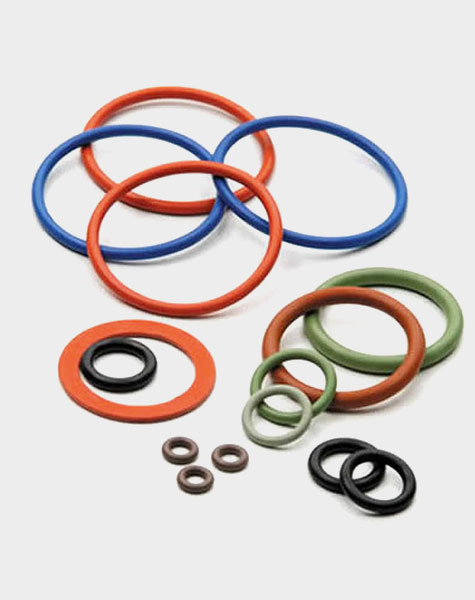
O ring seals are small parts, but they do a big job. When they fail, leaks usually show up fast, and that can slow down the whole system. Most of the time, the cause is not mysterious. It is usually something simple like the wrong size, poor fitting, or wear that went unnoticed for too long.
Why leaks start
Leaks often begin when the seal does not suit the job from the start. When the groove is not the right fit, the O ring may not settle in place as it should. That can leave a gap, and even a small gap is enough for fluid to escape.
Material choice matters too. Some seals are a good match for one condition, but not for a different fluid or heat range. If the seal is exposed to heat, oil, chemicals, or pressure beyond what it can handle, it may start to break down. Once that happens, the leak is not far behind.
Surface condition also plays a part. If the sealing area is dirty, rough, or damaged, the O ring cannot do its job properly. A seal depends on contact, and contact is only good when the surface is clean and smooth enough.
Common O Ring Seals failure points
A few O ring problems come up often in plants and workshops.
- Compression set, where the ring stays flattened after being squeezed for too long.
- Abrasion, where the seal gets worn down bit by bit from friction and motion.
- Cuts or small nicks during fitting, often because the edges are rough or it was handled too fast, a little carelessly.
- Extrusion, where pressure forces the seal into a clearance it should stay away from , every time.
- Swelling or hardening, which often happens when the seal meets the wrong heat level, fluid, or chemical.
Compression set is one of the more common ones. The seal looks fine at first, but over time it loses its bounce. Once that happens, it no longer presses against the groove the way it should.
Abrasion is another one to watch. In moving systems, the seal keeps rubbing against surfaces. That slow wear can turn into leakage later. It does not always happen quickly, which is why it is easy to miss early on.
Installation mistakes
A lot of seal trouble starts during installation. The part may be fine, but if it is forced into place, it can get damaged before the machine even starts. A small cut or pinch is enough to create trouble later.
Sharp edges are a common problem here. If the groove or part has rough spots, the O ring can catch while being fitted. It helps to inspect the surface first instead of pushing the seal in and hoping it will hold.
Lubrication can also help during fitting. It reduces friction and makes the seal easier to place. But the lubricant should match the application. If it is not compatible with the seal material or the fluid being used, that can create a different issue.
Material and size
The right size matters more than many people think. If the O ring is too small, it may be squeezed too hard. If it is too large, it may not sit properly in the groove. Either way, the seal can fail earlier than expected.
The material is just as important as the size. Some rubbers handle heat, pressure, and chemicals better than others. A seal may do fine in one setup and fail early in another. That is why it is better to choose it for the job it will actually face, not just by price or appearance.
For leak prevention, it is always safer to match the seal to the fluid, temperature, and pressure range from the start. That simple step can save a lot of trouble later.
Using seals vs not using them
Using O ring seals gives the system a proper barrier to hold fluid or gas where it should stay. That often helps stop leaks, keeps the pressure more stable, and lets the equipment work in a more settled way. Without O ring seals, the system has a much better chance of leaking. In pressurized or fluid-handling equipment, that can mean mess, loss of material, poor performance, and more time spent cleaning up. It can also mean more lost time for repairs.
With O ring seals, maintenance is usually more planned. The seal can be checked, replaced, or matched to the right application. Without them, the system may be more exposed to wear, loose joints, and sealing problems that show up later.
In short, using the seals gives the system a better chance of staying tight and steady. Not using them may work only in very limited cases, but in most industrial setups it raises the chance of leaks and trouble.
How to reduce leaks
Good leak control starts with the basics. Check the groove, seal size, and material before installation. Make sure the sealing surface is clean and free from old residue, dust, or damage. If the area is not ready, the seal will have a harder time doing its job.
It also helps to handle the seal gently. Do not stretch it more than needed. Do not force it into place. And do not reuse a seal that already shows wear. If it looks flattened, cracked, swollen, or hard, it is better to replace it.
In moving systems, regular checks matter a lot. Friction, pressure, and movement can wear seals down slowly. If nobody is watching for that wear, the leak usually appears at the worst possible time.
Signs it needs replacing
A worn O ring often gives warning signs before it fully fails. Cracks are one sign. Flattening is another. Swelling, hardening, and small surface cuts also point to trouble.
If the system starts leaking again and again, the seal is likely past its useful life. At that point, trying to keep it in service usually costs more time than replacing it. In industrial work, a quick replacement is often the better option than repeated patching.
Good shop habits
A few simple habits can prevent a lot of leakage problems.
- Inspect the seal before fitting it.
- Keep the groove and surrounding area clean.
- Use the correct size and material.
- Avoid rough handling during installation.
- Replace worn seals instead of reusing them.
- Check for unusual wear during regular maintenance.
These are basic steps, but they work. Most seal failures do not happen because O ring seals are complicated. They happen because small details were missed.
FAQ
Q.What causes O ring seals to fail most often?
Ans. A lot of the failures show up because the seal fit isn’t right, the material isn’t compatible, or it has simply worn down.
Q. Can heat damage an O ring seal?
Ans. Yes, too much heat can make the rubber hard , brittle , or get it out of shape, and then leaks happen.
Q. Why do seals get damaged during installation?
Ans. Sharp edges, rough surfaces, or forcing the seal into position can cut it or pinch it pretty easily.
Q. How can leaks be reduced?
Ans. Leaks can be reduced if you pick the proper seal, keep everything spotless, and install it properly, no shortcuts.
Q. When should an O ring be changed?
Ans. Replace it when it starts cracking, going flat, swelling, turning hard, or keeps leaking.
For more details, check the O ring seals page on Horiaki and review the full product range on https://www.horiaki.co.in/.

 Riddhi Pharma Machinery
 Ceracin Pvt Ltd