Guru Technology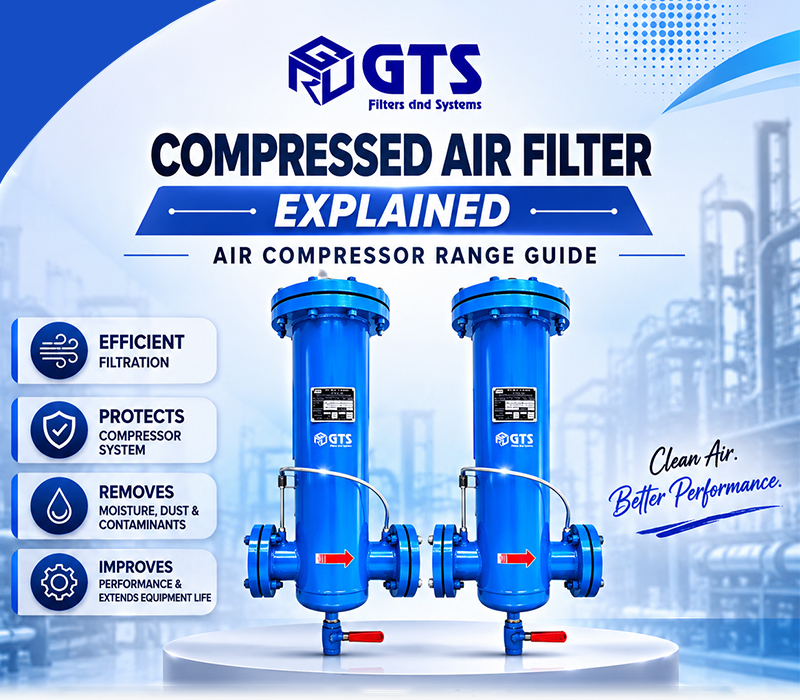
In the overall system, a compressed air filter can look like a small add‑on, but it has a big impact. It ensures that only clean, dry air goes on to your tools, machines, and critical production areas. If the filter is placed in the wrong spot, it may not catch enough dirt or moisture, and that can lead to trouble later.
Why compressed air filter placement matters
Compressed air picks up moisture, oil, and fine dirt as it moves through the system. That is normal. What matters is where the filter is put, because that decides how much of that contamination gets removed before the air is used.
If the filter sits too far away from the point of use, the air can pick up more moisture again as it travels. If it is placed well, the air reaching the machine is much cleaner and easier to work with. That usually means fewer faults, less wear, and less cleaning.
Good placement also helps the filter do its job without putting extra strain on the system. A filter that is badly located can create pressure loss, awkward servicing, or poor air quality. So the spot matters just as much as the filter itself.
Where to place it
In many systems, the filter is best placed close to the equipment that actually uses the air. That way, contamination is removed just before the air reaches the tool or machine. This is often a simple and practical setup.
A filter is also often placed after the cooling stage and before the dryer, depending on how the line is arranged. That helps remove bulk moisture and dirt earlier in the process. In some setups, more than one filter is used so each stage handles a different type of contamination.
The point is not just to put a filter somewhere in the line. It should sit where it can catch the dirt and moisture before they cause damage. That is why the layout of the air system matters so much.
Do’s
- Place the filter as close as practical to the point of use.
- Keep it in line with the airflow.
- Fit it where it can be serviced without trouble.
- Use the right filter type for the kind of contamination in the system.
- Check the drain and element on a regular basis.
- Follow the normal airflow direction during installation.
These basic steps help the filter work better. They also make day-to-day maintenance easier. If the filter is simple to reach and inspect, it is more likely to be checked on time.
Don’ts
- Do not assume a compressed air filter near the compressor is enough for the whole line.
- Do not ignore the airflow direction.
- Do not leave the filter in a hard-to-reach spot.
- Do not skip the drain.
- Do not use the wrong filter type for the job.
- Do not let the element stay clogged for too long.
A filter can only do so much if it is placed badly. If the filter is too far from the point of use, moisture can collect again in the piping. If the drain is not working, the water just stays there and creates more issues.
Common placement mistakes
One common mistake is placing the compressed air filter only at the compressor end and thinking the job is done. That may remove some contamination early, but it does not always protect the equipment at the far end of the line. Air can still pick up moisture and dirt on the way.
Another issue is poor servicing access. If a filter is tucked away where nobody wants to reach it, it often gets ignored until the problem becomes obvious. That usually means more pressure drop, poorer air quality, and more downtime.
People also sometimes overlook the type of contamination in the system. Some systems need more than basic filtration. If oil mist, moisture, or fine dust is part of the problem, the filter setup needs to match that reality. A one-size-fits-all approach usually does not work well in practice.
Why clean air matters
Clean, dry air is better for the equipment. It can slow wear, support better performance, and cut back on repair jobs. That is especially useful in workshops, plants, and any place where compressed air runs throughout the day.
Moist air can cause rust, poor tool performance, and extra cleaning. Dirt can wear down parts faster than expected. Oil mist can create its own problems too. Once contamination gets into the line, it can spread through the system and affect more than one machine.
That is why compressed air filter placement should be treated as part of the air system design, not just a small extra step. A good filter in a poor location will not give the same result as a good filter in the right place.
Maintenance basics
A compressed air filter needs regular attention if it is going to keep working properly. The element should be checked for dirt buildup, and the drain should be watched to make sure moisture is leaving the system. If the filter starts to clog, the air flow may become weaker.
It also helps to check the air quality at the point of use from time to time. If the air still feels wet or looks dirty, the placement or filter choice may need to be changed. That kind of check is simple, but it can save a lot of trouble later.
If the filter housing or fittings are leaking, that should be fixed quickly. A leak may seem small, but it can reduce system efficiency and make the filter less effective than it should be.
Simple habits that help
A simple routine can save a lot of trouble.
- Inspect the filter as part of routine maintenance.
- Clear the drain, and replace the element before it gets packed with dirt.
- The airflow should be right and the filter should be easy to reach.
- Any drop in air quality should be checked straight away.
These are not complicated steps, but they matter. Most air quality problems do not appear all at once. They build slowly when the filter is ignored or placed in the wrong part of the line.
FAQ
- Where should a compressed air filter be placed?
It should be placed as close as practical to the point of use, and in line with the airflow. - Can I place the filter right at the compressor?
That is usually not enough on its own. Air can pick up moisture and dirt again as it travels through the piping. - Why does direction matter?
The filter has to match the airflow direction, or it will not work properly. - Do I need more than one filter?
In many systems, yes. More than one stage can help remove different kinds of contamination. - What happens if the filter is neglected?
It can clog, raise pressure drop, and stop giving clean, dry air when the system needs it most.
For further details, visit GTS Filters And Systems, and review the compressed air filter options to see which one will fit your setup.

 Nirmala Pumps
 Horiaki India