Steve Woods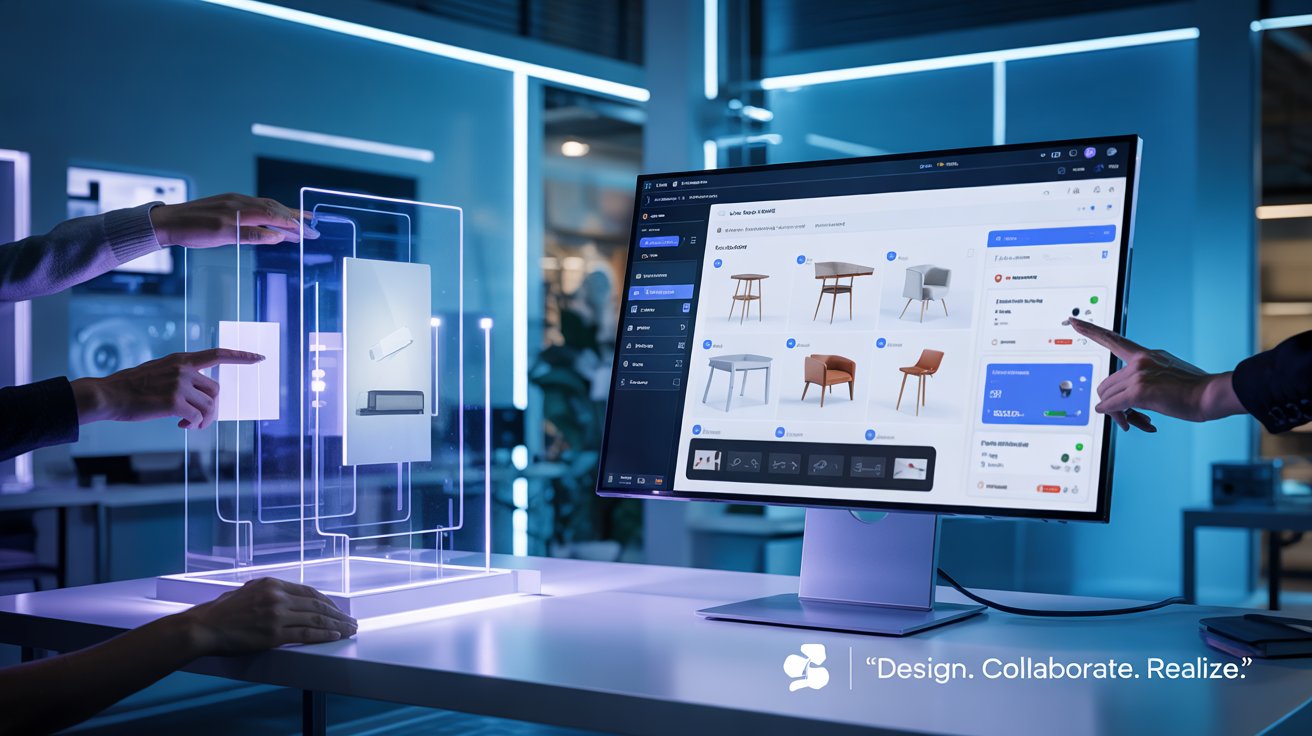
How Cloud-Based FF&E Platforms Improve Team Collaboration
Imagine a luxury hotel project involving designers in New York, procurement specialists in Chicago, manufacturers in Asia, and project managers overseeing construction on-site. Each team is responsible for critical decisions that influence the project’s timeline, budget, and final guest experience. While everyone shares the same goal, keeping information aligned across multiple stakeholders can be one of the biggest challenges in hospitality design and procurement.
For decades, teams relied on spreadsheets, email threads, shared drives, and paper-based documentation to manage furniture, fixtures, and equipment. While these methods worked for smaller projects, modern hospitality developments have become too complex for fragmented systems. The demand for real-time communication, accurate documentation, and faster decision-making has transformed how project teams collaborate.
Cloud-based FF&E platforms have emerged as a powerful solution, helping organizations centralize information, streamline communication, and improve coordination across every phase of a project. More importantly, they eliminate many of the collaboration challenges that traditionally slow down hospitality developments.
The Collaboration Challenge in Hospitality Projects
Hospitality projects are unique because they involve a large number of stakeholders working simultaneously.
Interior designers select products that reflect the brand’s identity. Procurement teams negotiate with suppliers and manage purchasing schedules. Architects coordinate building requirements. Contractors oversee installation, while owners monitor budgets and project progress.
Each group depends on accurate information to perform its role effectively. However, when data is stored in separate systems, communication becomes fragmented. Teams often spend valuable time searching for updated specifications, verifying revisions, and clarifying project details.
Even small misunderstandings can lead to procurement errors, delayed approvals, budget overruns, and construction setbacks. As project complexity increases, maintaining effective collaboration becomes increasingly difficult.
Creating a Single Source of Truth
One of the greatest advantages of cloud-based platforms is the creation of a centralized information hub.
Instead of storing specifications across multiple spreadsheets, emails, and local files, project data is maintained within a single environment accessible to authorized users. Every stakeholder works from the same information source, reducing confusion and minimizing errors.
When specifications, approvals, budgets, and procurement updates are available in one location, teams can make decisions with confidence. There is no need to question whether a document is outdated or if a revision was missed.
This centralized approach creates consistency and helps keep everyone aligned throughout the project lifecycle.
Breaking Down Geographic Barriers
Modern hospitality projects often involve teams located across different cities, countries, and continents.
In the past, distance created communication delays and slowed project progress. Team members frequently waited for updated documents or scheduled meetings before receiving critical information.
Cloud-based systems eliminate these barriers by providing instant access to project data from virtually anywhere with an internet connection.
Whether a designer is reviewing product selections from a corporate office or a contractor is verifying installation requirements on-site, information remains accessible in real time.
This accessibility allows geographically distributed teams to collaborate more effectively without being limited by location.
Improving Real-Time Communication
Communication is the foundation of successful collaboration.
Traditional project workflows often rely heavily on email, which can quickly become difficult to manage as projects grow. Important updates may become buried in lengthy message chains, causing delays and misunderstandings.
Cloud-based platforms support real-time communication by connecting project information directly to discussions, approvals, and updates.
When team members review specifications or make revisions, changes can be visible immediately to relevant stakeholders. This reduces communication gaps and ensures that everyone remains informed about project developments.
The result is faster decision-making and greater project transparency.
Supporting Better Specification Management
One area where collaboration often breaks down is specification management.
Large hospitality projects involve thousands of products, each with unique requirements, dimensions, finishes, pricing, and supplier information. Managing this volume of data manually increases the risk of inconsistencies and errors.
Many organizations now use FF&E Specification Software within cloud-based environments to centralize product information and simplify team coordination.
Because specifications are stored digitally and updated in real time, designers, procurement teams, and project managers can access the same approved information whenever needed. This shared visibility significantly improves collaboration and reduces the risk of costly mistakes.
Streamlining Approval Processes
Approvals are essential in every hospitality project.
Product selections, budget revisions, substitutions, and design changes often require input from multiple stakeholders. When approval workflows rely on emails and manual tracking, delays become common.
Cloud-based platforms simplify approvals by creating structured workflows that guide information through the appropriate review process.
Stakeholders can review documents, provide feedback, and approve decisions within the same system. Automated notifications ensure that pending actions receive attention promptly.
This streamlined process accelerates decision-making while maintaining accountability throughout the project.
Reducing Version Control Problems
One of the most frustrating collaboration challenges is version confusion.
Projects frequently undergo revisions as client requirements change, products become unavailable, or budgets evolve. When multiple versions of the same document circulate among stakeholders, mistakes become almost inevitable.
Cloud-based platforms address this issue by maintaining a single, continuously updated version of project information.
Revision histories provide transparency, while version tracking ensures that everyone references the latest approved data. This reduces uncertainty and helps prevent procurement and installation errors caused by outdated documentation.
Enhancing Visibility Across Departments
Successful hospitality projects depend on alignment between departments.
Design teams need visibility into procurement progress. Procurement specialists need access to approved specifications. Project managers need insight into budgets, timelines, and installation schedules.
Cloud-based systems provide a comprehensive view of project activities across departments.
This visibility helps stakeholders understand how their decisions impact other teams. It also encourages proactive problem-solving by allowing issues to be identified before they affect project outcomes.
When everyone has access to the same information, collaboration becomes more strategic and less reactive.
Improving Accountability and Ownership
Effective collaboration requires clear accountability.
Without transparency, it can be difficult to determine who approved a change, updated a specification, or modified a project requirement.
Cloud-based platforms automatically record user activity, creating a detailed history of actions and decisions. Teams can track revisions, monitor approvals, and identify responsible parties when questions arise.
This accountability encourages greater ownership and helps maintain project integrity throughout the design and procurement process.
Supporting Faster Problem Resolution
Every project encounters challenges.
Products may become unavailable, shipping schedules can change, and design modifications often occur unexpectedly. The speed at which teams respond to these challenges can significantly influence project success.
Cloud-based collaboration tools enable stakeholders to identify issues quickly and coordinate solutions efficiently.
Because information is centralized and accessible in real time, teams can evaluate alternatives, communicate updates, and make informed decisions without unnecessary delays.
This agility helps keep projects moving forward even when unexpected obstacles arise.
Strengthening Client Engagement
Clients play a crucial role in hospitality projects, and keeping them informed is essential for maintaining trust.
Cloud-based platforms provide greater transparency by allowing clients to review project progress, approve selections, and monitor key milestones.
Rather than relying solely on periodic updates, clients can gain visibility into ongoing activities and make decisions more efficiently.
This collaborative approach improves communication, strengthens relationships, and helps ensure that project outcomes align with client expectations.
Preparing Teams for Future Growth
As hospitality firms expand, managing larger projects becomes increasingly challenging.
Cloud-based systems provide the scalability needed to support growing portfolios, multiple properties, and geographically dispersed teams. New stakeholders can be added easily, while project information remains organized and accessible.
This flexibility allows organizations to maintain consistent collaboration practices as their operations evolve.
By establishing a strong digital foundation, firms position themselves to manage future projects more efficiently and competitively.
The Future of Collaboration in Hospitality Design
The hospitality industry continues to embrace digital transformation. Expectations for speed, transparency, and efficiency are higher than ever before.
Cloud-based FF&E platforms are becoming essential tools because they address one of the industry’s most persistent challenges: collaboration. By centralizing information, improving communication, streamlining workflows, and enhancing visibility, these platforms help teams work together more effectively.
As projects become increasingly complex, organizations that invest in collaborative technologies will be better equipped to deliver successful outcomes while reducing risk and improving operational performance.
Conclusion
Large-scale hospitality projects involve countless decisions, stakeholders, and moving parts. Without effective collaboration, even the best design concepts can encounter delays, errors, and costly inefficiencies.
Cloud-based FF&E platforms transform how teams communicate and coordinate by creating a centralized environment where information is accessible, accurate, and continuously updated. From improving specification management and approvals to enhancing visibility and accountability, these platforms support stronger collaboration at every stage of a project.
In an industry where precision and timing are critical, the ability to connect people, processes, and information through cloud technology has become a major advantage. For hospitality organizations seeking greater efficiency and project success, collaborative digital platforms are helping redefine how modern projects are delivered.

 inncrew pms
 lisa soft