enfield abudhabi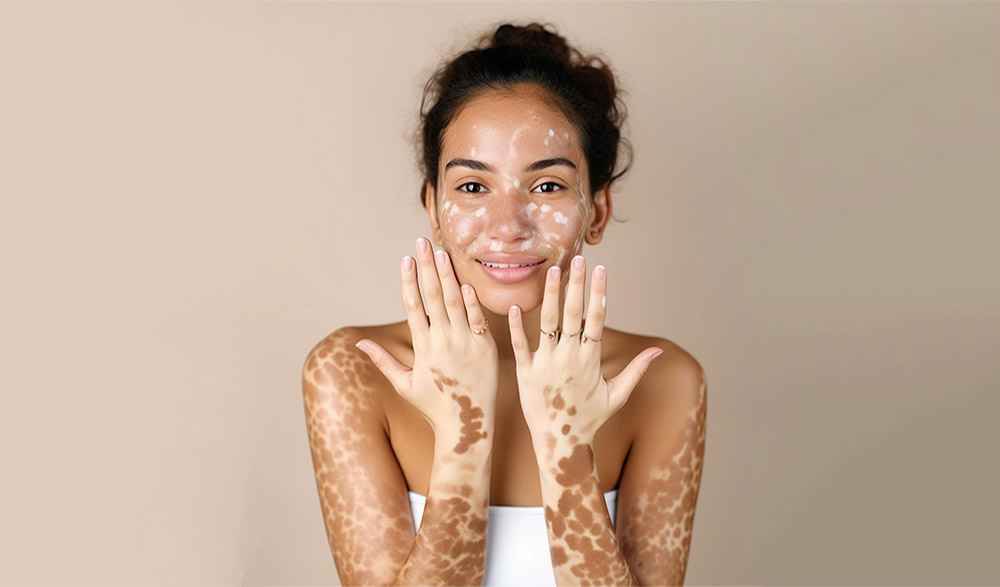
Managing skin pigmentation concerns requires a sophisticated approach that balances medical understanding with cosmetic goals. Seeking professional Vitiligo treatment in Abu Dhabi offers individuals access to a variety of modern techniques designed to address the challenges of pigment loss while promoting a more uniform and confident appearance. By focusing on both stabilizing the condition and encouraging natural color restoration, these methods aim to support the skin’s long-term health and vitality.
-
Modern dermatological approaches move beyond simple concealment to target the underlying biological mechanisms of pigment loss.
-
The primary goal is to achieve a harmonious skin tone through either restoring natural color or balancing existing pigmentation.
-
Early professional intervention is essential for developing a personalized strategy that aligns with an individual’s unique needs and skin characteristics.
Understanding the Goals of Pigmentation Management
Effective management of this condition centers on three core objectives: halting the progression of pigment loss, stimulating the regrowth of color-producing cells (melanocytes), and maintaining the results achieved over time. Because the condition can evolve in phases, treatments are often layered to provide a comprehensive response. By addressing the activity of the condition first, practitioners can create a stable environment for the skin to heal and regain its natural tone.
-
Halting the progression of the condition is the first step in ensuring that new areas of pigment loss do not develop.
-
Stimulating melanocytes—the cells responsible for skin pigment—is the foundation of natural color restoration.
-
Ongoing maintenance is a critical component of the process to ensure that once pigment is restored, it remains consistent and stable.
The Role of Light-Based Therapies
Light therapy, or phototherapy, remains a cornerstone of modern care for its ability to stimulate the skin’s natural biological response. By exposing affected areas to controlled wavelengths of ultraviolet light, practitioners can encourage the activity of remaining melanocytes. This process is particularly effective for those looking to restore color to visible areas, such as the face and neck. The precision of modern light-based equipment allows for targeted sessions that minimize exposure to surrounding healthy skin.
-
Phototherapy works by utilizing specific UV wavelengths that trigger the skin to naturally produce more pigment.
-
Advanced laser technologies allow for high levels of precision, focusing only on the specific areas requiring attention.
-
Consistent, scheduled sessions are typically required to gradually encourage the skin to blend more naturally with unaffected areas.
Topical and Systemic Interventions
Beyond light-based methods, medications play a vital role in managing the skin’s immune environment. Topical treatments often include substances that help reduce inflammation, which can otherwise impede the function of melanocytes. In some cases, systemic options are used to slow down the progression of the condition, particularly if patches are appearing or growing rapidly. These medical interventions provide a supportive foundation that prepares the skin for more direct repigmentation strategies.
-
Topical medications help to regulate the local immune response, allowing melanocytes to function more effectively.
-
Systemic approaches may be considered to manage the activity of the condition and provide a stable base for aesthetic improvements.
-
Medicated solutions are often used in tandem with light therapy to enhance the overall effectiveness of the repigmentation process.
Advanced Surgical and Cellular Procedures
For cases where other interventions have not yielded the desired level of color restoration, advanced surgical options may be considered. These procedures involve transferring healthy, pigmented skin cells to areas where pigment has been lost. Cellular suspension transplants, for example, take a small sample of healthy tissue, process it to isolate active melanocytes, and then apply them to the target area. This method is highly effective for localized patches and can lead to significant improvements in uniformity.
-
Surgical transplantation focuses on moving healthy, color-active cells to depigmented patches to jumpstart the recoloration process.
-
Cellular suspension techniques allow for a more precise application of healthy cells compared to traditional grafting methods.
-
These procedures are designed for individuals who have achieved a stable condition and are looking to address persistent, smaller areas of pigment loss.
The Importance of Holistic Skin Care
Improving skin appearance involves more than just clinical treatment; it requires a diligent commitment to skin wellness. Sun protection is perhaps the most important aspect of daily care, as protected skin is less prone to contrast between pigmented and non-pigmented areas. Using broad-spectrum, high-SPF sunscreen helps prevent the surrounding healthy skin from darkening, which makes the depigmented areas less noticeable and shields sensitive tissue from UV damage.
-
Consistent use of broad-spectrum sunscreen is essential to prevent tanning that can accentuate the appearance of patches.
-
Gentle hydration and the avoidance of harsh chemicals help maintain the skin’s barrier, ensuring it remains healthy and resilient.
-
A holistic approach—combining medical treatment with daily self-care—is the most effective way to optimize results and maintain confidence.
Frequently Asked Questions
1. How quickly can I expect to see results from treatment?
Repigmentation is a gradual process that depends on the chosen method and the individual’s specific skin response. While some techniques show early signs of change within a few weeks, reaching a stable and uniform color typically takes several months of consistent adherence to the recommended plan.
2. Can these treatments be used for all types of skin tones?
Yes, modern dermatological advancements allow for highly personalized plans that are suitable for a wide range of skin tones. Practitioners tailor the approach based on the individual’s specific needs, ensuring the treatment is both safe and effective for their unique complexion.
3. What is the role of camouflage in managing skin appearance?
Cosmetic camouflage, such as specialized makeup or medical-grade pigments, provides an immediate way to blend depigmented areas with the surrounding skin. While not a cure, it is an excellent tool for boosting confidence while undergoing long-term clinical treatments to restore natural color.
4. Is it necessary to continue treatments after the skin tone improves?
Maintenance is often recommended to ensure the longevity of the results. Even after significant color restoration is achieved, your practitioner may suggest a tapered maintenance schedule or a specific skincare regimen to keep the skin stable and prevent the recurrence of pigment loss.

 Neha goswami
 Navimumbaihiims Mumbai