enfield abudhabi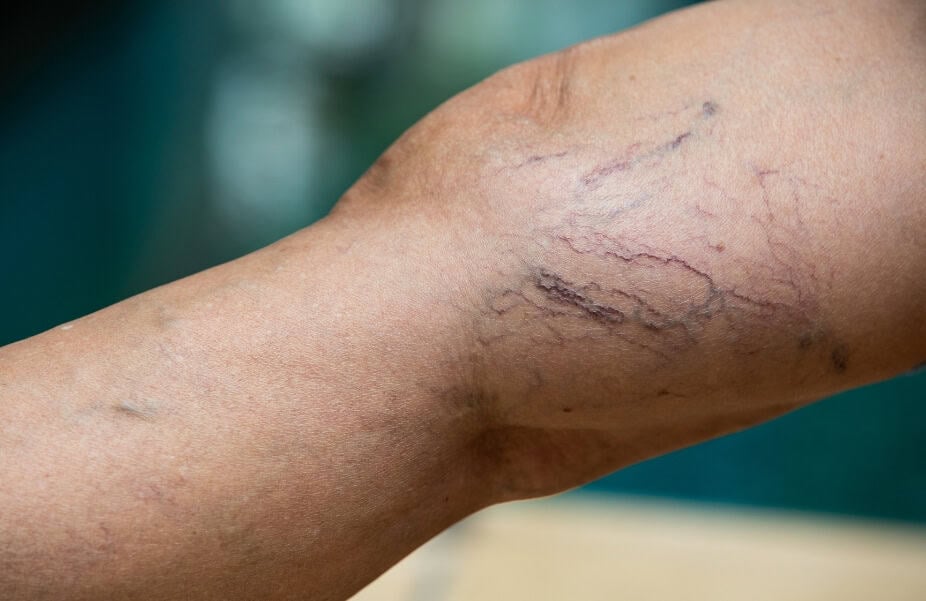
Spider veins, medically known as telangiectasias, are small, damaged blood vessels that appear just beneath the surface of the skin. Often manifesting as red, blue, or purple clusters, they can resemble spider webs or tree branches. While they are primarily a cosmetic concern, many individuals seeking Spider Vein Treatment in Abu Dhabi are curious about the physiological mechanisms that allow these treatments to effectively reduce the appearance of these vessels. By understanding how modern procedures interact with your circulatory system, you can better appreciate the science behind achieving clearer-looking skin.
-
Understanding the nature of spider veins: Spider veins are essentially dilated capillaries or venules that have become visible.
-
The cosmetic impact: These veins often cluster on the legs or face, creating a pattern that many find undesirable.
-
The goal of treatment: The primary objective is to collapse these vessels so they are no longer visible, redirecting blood flow to healthier veins.
The Mechanism of Sclerotherapy
Sclerotherapy is one of the most widely practiced methods for addressing spider veins. The procedure relies on a targeted chemical approach to essentially “close off” the unwanted vessel. During the session, a specialized solution—often referred to as a sclerosant—is injected directly into the affected vein using an ultra-fine needle. This solution serves a very specific purpose: it irritates the inner lining of the blood vessel.
-
The chemical reaction: The injected solution causes the walls of the spider vein to become inflamed and “sticky.”
-
Vessel collapse: As the vessel walls adhere to one another, the vein collapses, effectively stopping the flow of blood through that specific channel.
-
Natural absorption: Once blood flow is restricted, the vein eventually turns into harmless scar tissue. Over time, your body naturally absorbs this tissue, causing the vein to fade from view entirely.
How Laser Therapy Targets Veins
For those who prefer a non-invasive approach, especially for finer vessels or facial spider veins, laser therapy is a common alternative. Instead of using chemical agents, this method utilizes focused light energy. The laser transmits specific wavelengths of light that are absorbed by the hemoglobin within the blood cells of the spider vein. This absorption generates controlled heat, which is the key to the treatment’s success.
-
Selective photothermolysis: The laser energy is calibrated to target the blood vessel without harming the surrounding skin or internal tissues.
-
Thermal destruction: The heat generated within the vessel causes it to shrink, coagulate, and eventually dissolve.
-
Gradual fading: Much like with sclerotherapy, the body identifies these treated vessels as inactive and gradually reabsorbs them, leading to a smoother skin surface over several weeks.
The Body’s Natural Healing Response
Both sclerotherapy and laser therapy share a fundamental principle: they work with your body’s natural processes rather than against them. Neither treatment involves the “removal” of the vein in a surgical sense. Instead, they trigger a biological shift that encourages the body to decommission and recycle damaged vessels. Once the vessel is collapsed or dissolved, the blood that previously flowed through those thin capillaries is naturally redirected to deeper, healthier veins that are better equipped to support efficient circulation.
-
Redirection of blood flow: Your circulatory system is highly adaptable; once a superficial vessel is closed, blood automatically finds alternative, healthier pathways.
-
The role of the lymphatic system: After the vein has been broken down by the treatment, the body’s natural waste-removal systems clear the remnants.
-
Consistency in results: Because this process relies on natural biological absorption, the fading of the veins is a gradual process that continues for weeks after the initial session.
Sustaining Clearer Skin Over Time
Once a vein has been successfully treated and absorbed by the body, that specific vessel does not return. However, it is important to remember that individuals prone to spider veins may continue to develop new ones elsewhere due to genetics, lifestyle factors, or prolonged pressure on blood vessels. Maintaining healthy circulation through regular movement, weight management, and avoiding long periods of sitting or standing can help support your vascular health long-term.
-
The permanence of treatment: Once a vein is fully reabsorbed, it is gone for good.
-
Preventing new clusters: While you cannot change your genetics, staying active helps maintain proper venous pressure.
-
Commitment to health: Regular check-ups and a healthy lifestyle are the best ways to ensure that the improvements you achieve stay visible for as long as possible.
Frequently Asked Questions
1. Does the body miss the blood flow from these veins?
No, the body does not miss the blood flow. Spider veins are superficial vessels that are not essential to your overall circulation. Once they are closed, your body naturally and efficiently redirects blood through deeper, healthier, and more functional veins.
2. Is there a difference between how spider veins and varicose veins are reduced?
Yes, the approach can vary based on the size and depth of the vein. While the fundamental goal—collapsing the vessel—is similar, larger varicose veins often require more specialized techniques (such as ultrasound-guided procedures) to ensure the deeper root causes of the blood pooling are addressed, whereas spider veins are treated for their superficial appearance.
3. How quickly can I expect to see results?
Results vary by individual and the specific treatment method used. Generally, you can expect to see the veins begin to fade within three to six weeks. In some cases, particularly for larger vessels, it may take several months for the body to fully reabsorb the treated tissue and for the final results to become apparent.
4. Can spider veins reappear after they have been successfully treated?
A specific vein that has been effectively treated and reabsorbed will not reappear. However, because spider veins often form due to underlying factors like genetics or venous pressure, new spider veins can develop in different or adjacent areas over time. Maintaining a healthy, active lifestyle can help minimize the formation of these new vessels.

 Newport Center Smile Design
 Dynamic Life Clinics