At-Home Red Light Therapy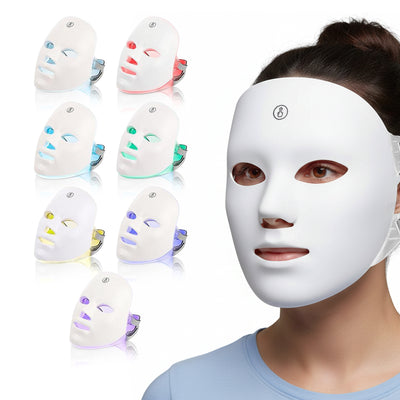
Introduction
In recent years, At-Home Red Light Therapy has become one of the most popular wellness trends for people looking to improve their skin, recovery, and overall well-being without leaving the comfort of their homes. As someone who has explored various self-care and wellness routines, I was initially skeptical about whether light therapy devices could deliver noticeable benefits. However, after consistent use, I quickly understood why so many people are incorporating red light therapy into their daily lives.
Unlike invasive treatments or expensive clinic visits, at-home red light therapy offers a convenient and non-invasive way to support natural cellular processes. Modern LED light therapy devices have made professional-inspired treatments more accessible than ever before. Whether your goal is healthier-looking skin, muscle recovery, relaxation, or general wellness support, understanding how At-Home Red Light Therapy works can help you make the most of this innovative technology.
What Is At-Home Red Light Therapy?
At-Home Red Light Therapy is a treatment method that uses specific wavelengths of red and near-infrared light to support the body’s natural biological functions. These wavelengths are delivered through devices such as LED face masks, red light therapy panels, handheld tools, and full-body systems designed for personal use.
The therapy works by exposing the skin and underlying tissues to therapeutic light energy. This energy is absorbed by cells, particularly the mitochondria, which are responsible for producing cellular energy. Through a process known as photobiomodulation, red light may help support cellular performance and recovery.
One reason At-Home Red Light Therapy has gained widespread attention is its simplicity. Users can complete treatment sessions in just a few minutes a day without disrupting their schedule. This convenience makes it easier to maintain consistency, which is often essential for achieving noticeable results over time.
How At-Home Red Light Therapy Works
Understanding how At-Home Red Light Therapy functions can help users appreciate its growing popularity. Red light wavelengths typically target the skin’s surface, while near-infrared light penetrates deeper into muscles, joints, and connective tissues.
When cells absorb these wavelengths, they may produce more adenosine triphosphate (ATP), which serves as the body’s primary energy source at the cellular level. Increased cellular energy may support various biological processes, including repair, regeneration, and overall function.
Many modern devices combine both red and near-infrared wavelengths to provide comprehensive wellness benefits. This dual-action approach allows users to address multiple goals, including skincare, muscle recovery, and relaxation. While results vary from person to person, consistent use often contributes to noticeable improvements in skin appearance and recovery support.
The science behind At-Home Red Light Therapy continues to attract interest from researchers and wellness professionals worldwide.
Benefits of At-Home Red Light Therapy
One of the main reasons people invest in At-Home Red Light Therapy devices is the wide variety of potential benefits they offer. Unlike treatments that target only one concern, red light therapy may support multiple aspects of health and wellness simultaneously.
Many users report improvements in skin texture, tone, and overall appearance after regular sessions. Red light therapy may also help support collagen production, making it popular among those seeking anti-aging skincare solutions.
Athletes and active individuals frequently use red light therapy to support muscle recovery and reduce post-workout soreness. Near-infrared wavelengths can reach deeper tissues, helping support natural recovery processes after physical activity.
Another benefit is convenience. At-home devices allow users to complete sessions whenever it fits their schedule, eliminating the need for clinic appointments. This flexibility often leads to better consistency and long-term use, which can enhance potential outcomes over time.
At-Home Red Light Therapy for Skin Health
One of the most recognized uses of At-Home Red Light Therapy is skincare. Healthy skin depends on efficient cellular function, and red light therapy may help support this process naturally.
Many skincare enthusiasts use LED face masks and light therapy panels to promote a brighter, smoother complexion. Red light wavelengths may encourage collagen production, which plays a crucial role in maintaining skin firmness and elasticity. As collagen levels naturally decline with age, supporting its production can contribute to a more youthful appearance.
Users often report improvements in skin texture, reduced visibility of fine lines, and enhanced radiance after incorporating red light therapy into their routines. Additionally, improved circulation may help deliver nutrients and oxygen to skin cells more effectively.
The gentle nature of At-Home Red Light Therapy makes it suitable for many individuals seeking a non-invasive addition to their skincare regimen.
Supporting Muscle Recovery with At-Home Red Light Therapy
Athletes, fitness enthusiasts, and active individuals increasingly rely on At-Home Red Light Therapy to support muscle recovery and physical performance. Recovery plays a vital role in maintaining consistent training progress and overall physical wellness.
Near-infrared wavelengths can penetrate deeper into muscles and connective tissues than visible red light alone. This deep penetration may help support natural recovery mechanisms and reduce feelings of post-exercise discomfort.
Many users incorporate light therapy sessions after workouts as part of their recovery routine. Regular use may contribute to improved flexibility, comfort, and readiness for future training sessions. Professional athletes have also embraced light therapy as a complementary wellness tool.
The convenience of at-home devices allows individuals to maintain consistent recovery practices without requiring frequent visits to specialized clinics or treatment centers.
Choosing the Best At-Home Red Light Therapy Device
Selecting the right At-Home Red Light Therapy device can significantly impact your overall experience. With numerous options available, understanding key features is essential before making a purchase.
LED face masks are popular among users primarily interested in skincare benefits. These devices provide targeted treatment for the face and are generally easy to use. Larger red light therapy panels offer broader coverage and can support full-body wellness goals.
When evaluating devices, consider factors such as wavelength range, treatment area, power output, and safety certifications. Many high-quality systems combine red light wavelengths around 660nm with near-infrared wavelengths around 850nm for comprehensive treatment benefits.
Investing in a reputable brand ensures product quality, durability, and reliable performance. Choosing the right device helps maximize the effectiveness of your At-Home Red Light Therapy routine.
Tips for Using At-Home Red Light Therapy Effectively
To achieve the best possible results from At-Home Red Light Therapy, consistency is one of the most important factors. Like many wellness practices, noticeable improvements often occur gradually over time.
Most manufacturers recommend treatment sessions lasting between 10 and 20 minutes several times per week. Users should position themselves according to the device instructions to ensure optimal light exposure. Clean skin is generally recommended when using devices for facial treatments.
Creating a routine can help improve consistency. Many people schedule sessions in the morning or evening as part of their wellness habits. Combining red light therapy with healthy lifestyle choices such as proper hydration, balanced nutrition, and regular exercise may further support overall results.
Following manufacturer guidelines and maintaining realistic expectations can help users enjoy a safe and rewarding experience with at-home light therapy.
Why At-Home Red Light Therapy Is Growing in Popularity
The rapid growth of At-Home Red Light Therapy reflects changing consumer preferences toward convenient and non-invasive wellness solutions. Modern lifestyles often leave little time for frequent clinic visits, making home-based treatments increasingly attractive.
Advancements in LED technology have improved device effectiveness while reducing costs, making red light therapy accessible to a broader audience. Users appreciate the flexibility of performing treatments whenever it suits their schedule.
Social media, wellness influencers, and increased public awareness have also contributed to the popularity of light therapy devices. Positive user experiences and growing interest in natural wellness approaches continue to drive demand.
As more people seek practical solutions for skincare, recovery, and general wellness, At-Home Red Light Therapy has established itself as a trusted option that combines convenience with potential long-term benefits.
Conclusion
At-Home Red Light Therapy has transformed the way people access wellness and skincare treatments. By bringing professional-inspired technology into the home, these devices provide a convenient and non-invasive method for supporting skin health, recovery, and overall well-being.
Whether you’re interested in reducing visible signs of aging, enhancing your skincare routine, supporting muscle recovery, or simply exploring new wellness technologies, at-home red light therapy offers a versatile solution. Its growing popularity reflects increasing confidence in light-based wellness practices and the desire for convenient self-care options.
With consistent use, the right device, and realistic expectations, At-Home Red Light Therapy can become a valuable addition to a modern wellness routine, helping users feel healthier, refreshed, and more confident every day.

 enfield abudhabi