Ahmad hassan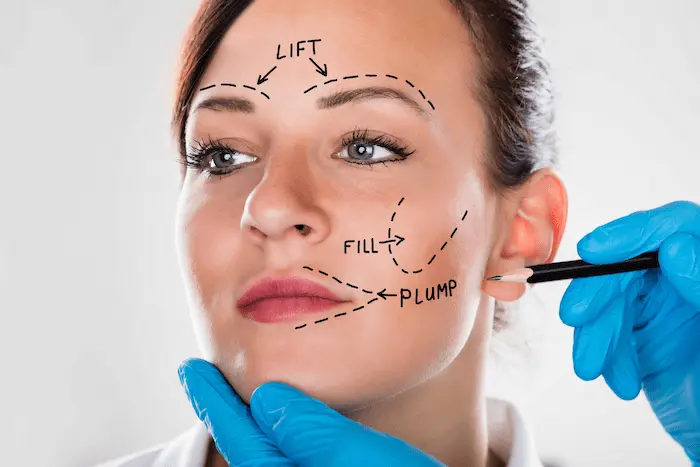
A facelift is designed to lift and tighten facial tissues, helping to improve the overall structure of the face. Rather than changing a person’s identity, the procedure focuses on enhancing natural contours and creating a smoother, more youthful appearance. Modern facelift techniques emphasize subtle, natural-looking outcomes that help individuals look refreshed and confident.
Understanding a Facelift
A facelift is a cosmetic procedure aimed at addressing visible signs of facial aging. Over time, skin elasticity decreases and facial tissues may begin to descend, creating loose skin and reduced definition around the cheeks, jawline, and neck.
The procedure works by repositioning and tightening underlying structures while refining facial contours. By addressing the deeper layers of the face, a facelift can provide long-lasting rejuvenation and a naturally refreshed appearance.
Why Facial Features Change with Age
Aging affects every layer of the face. The skin becomes less elastic, supportive tissues weaken, and facial volume gradually shifts. These changes can contribute to:
- Sagging cheeks
- Deep facial folds
- Reduced jawline definition
- Loose skin around the lower face
- A less youthful facial profile
Environmental exposure, lifestyle factors, and genetics can also influence how quickly these changes become noticeable. A facelift is designed to address many of these concerns by restoring a firmer and more balanced appearance.
How a Facelift Enhances Facial Definition
One of the primary benefits of a facelift is its ability to redefine facial contours. As tissues are repositioned, the face can regain a smoother and more structured appearance.
The procedure can improve harmony between facial features while reducing visible signs of aging. Many individuals choose a facelift because it helps create a refreshed look without compromising natural expressions.
Modern approaches focus on enhancing existing features rather than creating dramatic alterations. The result is often a more youthful appearance that still looks authentic and natural.
Areas Commonly Improved by a Facelift
A facelift can address several regions of the face that are affected by aging.
Cheeks
As facial tissues descend, the cheeks may appear flatter or less defined. A facelift helps elevate these tissues, creating a fuller and more youthful contour.
Jawline
A well-defined jawline is often associated with youthfulness. A facelift can improve jawline definition by tightening tissues and reducing sagging along the lower face.
Neck Area
Loose skin around the neck can contribute to an aged appearance. Many facelift procedures include refinement of the neck region to create smoother transitions between the face and neck.
Lower Face
The lower portion of the face often experiences significant aging changes. A facelift can improve overall balance and restore a firmer appearance in this area.
Natural-Looking Rejuvenation
One of the most important goals of modern facial rejuvenation is achieving natural-looking results. Individuals today often seek subtle enhancements that refresh their appearance without making them look noticeably different.
Advanced facelift techniques focus on repositioning facial tissues in a way that respects natural anatomy. This approach helps maintain facial character while restoring youthful contours.
The outcome is often described as looking rested, refreshed, and revitalized rather than altered.
Benefits of Choosing a Facelift
A facelift offers several aesthetic advantages for those seeking facial rejuvenation.
Improved Facial Contours
The procedure can restore smoother and more defined facial lines, creating a more balanced appearance.
Enhanced Confidence
Many individuals feel more confident when their outward appearance reflects how youthful and energetic they feel inside.
Refreshed Appearance
A facelift can help reduce signs of aging and create a healthier, rejuvenated look.
Long-Lasting Results
By addressing deeper facial structures, a facelift provides results that can remain visible for many years.
Preservation of Natural Expressions
Modern techniques are designed to maintain facial movement and individuality while enhancing overall appearance.
Who May Consider a Facelift?
A facelift is often considered by individuals who notice moderate to advanced facial aging. Common reasons for seeking treatment include visible sagging, reduced facial definition, and changes in skin firmness.
Many people choose a facelift when they wish to restore youthful contours and achieve a refreshed appearance that aligns with their personal aesthetic goals.
The procedure can be customized to address different concerns and facial structures, making it a versatile option for facial rejuvenation.
The Importance of Facial Harmony
Facial beauty is often linked to balance and proportion. Aging can disrupt this harmony by altering facial contours and creating asymmetry in certain areas.
A facelift helps restore balance by improving the relationship between different facial features. This enhancement contributes to a more youthful and aesthetically pleasing appearance.
Rather than focusing on a single area, the procedure supports overall facial harmony for comprehensive rejuvenation.
Maintaining a Refreshed Appearance
After facial rejuvenation, many individuals appreciate the renewed sense of confidence that comes from looking refreshed and vibrant. The results often complement other aspects of personal care and wellness, contributing to an overall positive self-image.
The goal of a facelift is not to erase individuality but to help facial features appear smoother, firmer, and more youthful while preserving natural beauty.
Why Facelift in Abu Dhabi Continues to Be Popular
Facelift procedures remain among the most sought-after facial rejuvenation treatments because of their ability to provide comprehensive improvements. Individuals seeking a refreshed appearance often value the procedure’s capacity to address multiple signs of aging simultaneously.
As aesthetic preferences continue to favor natural-looking outcomes, facelift techniques have evolved to focus on subtle enhancements that preserve authenticity. This balance between rejuvenation and natural beauty contributes to the ongoing popularity of Facelift in Abu Dhabi.
Conclusion
A facelift is a highly effective facial rejuvenation procedure designed to lift and tighten facial tissues while restoring youthful contours. By addressing sagging skin, reduced facial definition, and age-related changes, it helps create a smoother and more refreshed appearance.
For individuals seeking natural-looking rejuvenation, a Facelift in Abu Dhabi offers an opportunity to enhance facial harmony, redefine contours, and achieve a youthful appearance while maintaining their unique features and expressions.
FAQs
What is a facelift?
A facelift is a cosmetic procedure that lifts and repositions facial tissues to improve facial contours and reduce visible signs of aging.
Which areas can a facelift improve?
A facelift commonly enhances the cheeks, jawline, lower face, and neck, helping create a smoother and more youthful appearance.
Will a facelift change my natural facial expressions?
Modern facelift techniques are designed to preserve natural expressions while improving facial definition and reducing sagging.
Can a facelift provide long-lasting results?
A facelift addresses deeper facial structures, making it one of the most durable facial rejuvenation procedures available.
Why do people choose a facelift?
Many individuals choose a facelift to restore youthful contours, improve facial harmony, and achieve a refreshed appearance.
Does a facelift only tighten the skin?
No. Modern facelift procedures focus on repositioning underlying tissues as well as refining the skin to create more natural-looking results.
Can a facelift improve jawline definition?
Yes. A facelift can enhance jawline contours and reduce sagging along the lower face, contributing to a more defined profile.
What is the main goal of a facelift?
The primary goal is to create a naturally rejuvenated appearance by lifting and tightening facial tissues while maintaining individuality.


 ASGeye Hospital