Western Suburbs Line Marking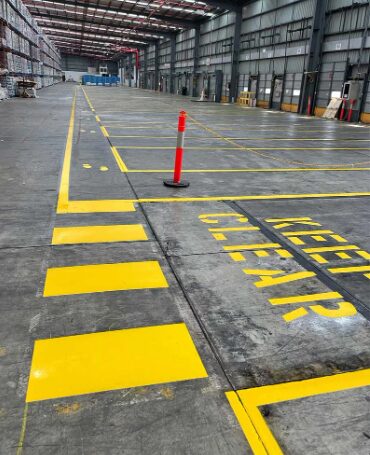
Running a business in Melbourne means managing multiple compliance requirements, and your car park often gets overlooked until someone raises an issue. Many business owners assume their car parking area is fine simply because it has been there for years. The reality is different. Australian standards and Victorian regulations set clear requirements for carpark design, line marking, signage, and accessibility that your facility must meet.
Understanding these requirements protects your business from potential penalties, reduces safety risks for customers and staff, and demonstrates professional responsibility. This guide covers what Melbourne business owners need to know about car park compliance and why proper line marking forms the foundation of a compliant facility.
Why Car Park Compliance Matters for Melbourne Businesses
A compliant car park is not just about following rules. It directly impacts safety, accessibility, and your business reputation. When customers arrive at your location, their first experience involves navigating your car parking area. Poorly marked bays, missing signage, or unclear traffic flow create confusion and increase the risk of accidents.
Victorian workplace safety laws require businesses to maintain safe environments for everyone entering their property. This includes customers, visitors, and employees using the car park. Failure to meet these standards can result in liability issues if an accident occurs. Insurance providers also assess compliance when determining coverage and premiums.
Accessibility requirements under the Australian Disability Discrimination Act mean businesses must provide appropriate disabled parking facilities. These spaces need correct dimensions, clear line marking, proper signage, and adequate access paths to building entrances.
Key Australian Standards for Car Park Design
Melbourne car parks must align with several Australian standards that define minimum requirements for design and safety.
- AS 2890.1 covers parking facilities for conventional cars. This standard specifies bay dimensions, aisle widths, and gradient limits. Standard car bays must measure at least 2.4 meters wide by 5.4 meters long. Disabled parking bays require wider dimensions of 3.6 meters minimum to allow space for wheelchair access.
- AS 2890.6 addresses disabled parking facilities specifically. It mandates the number of disabled bays based on total parking capacity and requires clear access paths with appropriate gradients.
- AS 1428.1 sets out design requirements for access and mobility for people with disabilities. This standard influences signage placement, path dimensions, and surface requirements throughout your car park.
- AS 2980.1 relates to road marking requirements and specifies line marking colours, widths, and durability standards that apply to car park line marking.
Essential Line Marking Requirements
Proper carpark line marking forms the visual foundation of a compliant car park. Clear markings guide traffic flow, define parking bays, indicate pedestrian pathways, and highlight restricted areas.
Parking bays must have continuous white lines that are clearly visible. Line width should be at least 100 millimetres for bay boundaries. Disabled parking bays require additional marking including the international wheelchair symbol painted on the ground surface.
Pedestrian walkways need distinct marking with white lines and often include directional arrows. These paths must connect clearly from parking areas to building entrances without crossing vehicle traffic zones unnecessarily.
Stop lines, speed indication markings, and directional arrows help manage vehicle movement safely. Loading zones require specific marking with clear text indicating their purpose and any time restrictions.
Car parking line marking Melbourne businesses choose should use high-quality, durable materials that withstand Australian weather conditions and maintain visibility over time. Poor quality markings that fade quickly create compliance issues as bays become indistinct.
Disabled Parking Compliance in Victoria
Victorian regulations require businesses to provide disabled parking based on their total parking capacity. The minimum requirement is one disabled bay for facilities with up to 50 total bays. Larger facilities need proportionally more disabled parking spaces.
Each disabled bay must meet specific requirements:
- Minimum width of 3.6 meters
- Adjacent access aisle of at least 1.2 meters wide
- Clear height access of 3.1 meters minimum
- Proper signage showing the disabled parking symbol
- Ground marking with the wheelchair symbol
- Direct access path to building entrance with appropriate gradient
The access path from disabled bays to building entrances must have a maximum gradient of 1:20 and include proper surface conditions that prevent slipping.
Signage Requirements for Compliance
Car park signage works alongside line marking to create a compliant facility. Melbourne businesses need several types of signage:
- Disabled parking signs must display the international wheelchair symbol and be positioned at eye level for drivers approaching the bay.
- Speed limit signs are required in most commercial car parks, typically showing 10 km/hour maximum.
- Directional signs guide drivers to exits, entrances, and specific areas like loading zones.
- No parking signs clearly mark restricted areas including fire lanes, emergency access points, and building setback zones.
- Loading zone signs indicate time restrictions and vehicle type limitations where applicable.
All signage must be maintained in good condition, properly positioned, and clearly visible. Damaged or faded signage creates compliance gaps even if line marking is correct.
Traffic Flow and Safety Considerations
Safe traffic flow reduces accident risk and improves user experience. Clear markings define entry and exit points, directional arrows guide vehicle movement, and separate pedestrian pathways keep people away from moving vehicles.
One-way traffic systems often work better in smaller car parks as they reduce confusion. Two-way systems require wider aisles and clear markings showing which side drivers should use.
Speed management is critical. Most commercial car parks in Melbourne operate with 10 km/hour limits. Visible speed signs and sometimes speed hump markings help enforce this.
Lighting levels must meet minimum standards for visibility. Poor lighting makes even well-marked car parks unsafe because drivers cannot see markings clearly.
Maintaining Compliance Over Time
Car park compliance is not a one-time achievement. Regular maintenance keeps your facility compliant:
- Inspect line marking quarterly for fading or damage
- Replace damaged signage immediately
- Check that disabled bay access paths remain clear and unobstructed
- Verify lighting levels meet standards
- Clean markings regularly to maintain visibility
- Update markings when bay configurations change
Professional carpark line marking services provide durable markings that last longer and maintain clarity. Western Suburbs Line Marking specialises in compliant car park marking for Melbourne businesses and uses materials designed for Australian conditions.
Common Compliance Mistakes to Avoid
Many Melbourne business owners make these compliance errors:
- Using incorrect bay dimensions that don’t meet AS 2890.1 standards
- Failing to provide enough disabled parking based on the total capacity
- Missing or faded line marking that makes the bays indistinct
- Inadequate signage for disabled parking, speed limits, and directions
- Pedestrian pathways that cross vehicle traffic without proper marking
- Poor lighting that reduces marking visibility
- Obstructed access paths to disabled bays
Taking Action for Your Melbourne Car Park
If you’re unsure whether your car park meets compliance requirements, start with a professional assessment. Many issues are visible and straightforward to fix once identified. Updating car parking line marking Melbourne is often the first step because clear markings make other compliance elements more effective.
Investing in compliance protects your business, improves customer experience, and demonstrates professional responsibility. Your car park is part of your business location and reflects the quality standards you maintain across all operations.
A compliant car park removes uncertainty, reduces risk, and creates a safer environment for everyone using your facility. The investment in proper line marking and signage pays returns through improved safety, better customer satisfaction, and protection from potential compliance issues.


 Ryan James
 ARC Print India