aditya kumar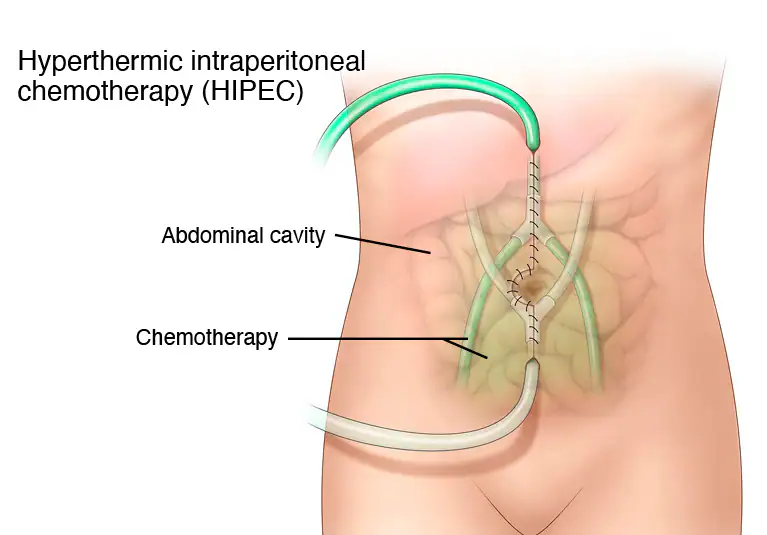
Cancer treatment has progressed significantly, offering more options for managing complex conditions. Some cancers can spread to the lining of the abdominal cavity, making them more difficult to treat. In such cases, doctors may consider treatments that target cancer cells within the abdomen more directly.
Hyperthermic Intraperitoneal Chemotherapy HIPEC surgery is one such specialised treatment for selected cancers affecting the abdominal cavity. It combines surgery to remove visible tumours with heated chemotherapy delivered directly into the abdomen. This approach aims to target microscopic cancer cells that may remain after the visible disease has been removed.
What Is HIPEC Surgery?
HIPEC stands for Hyperthermic Intraperitoneal Chemotherapy. It is a specialised treatment approach used for certain cancers that involve the abdominal cavity. The term “hyperthermic” refers to the controlled heat used during the chemotherapy process, while “intraperitoneal” indicates that the treatment is delivered directly into the abdominal cavity.
HIPEC is typically performed as part of a planned surgical procedure and is designed to treat cancer cells within the abdomen. By delivering chemotherapy directly to the affected area, specialists can target microscopic cancer cells while limiting exposure to other parts of the body. The use of heat may also enhance the effectiveness of the chemotherapy drugs in certain situations. By combining tumour-removal surgery with targeted chemotherapy during the same procedure, HIPEC helps address both visible tumours and microscopic cancer cells within the abdomen.
How Is HIPEC Surgery Performed?
The procedure is generally completed in two stages during a single operation.
Removal of Visible Tumours
The first stage is called cytoreductive surgery. During this phase, surgeons remove visible cancer deposits from the abdominal cavity. The aim is to reduce the amount of disease present before chemotherapy is administered. The extent of surgery depends on the location and spread of the cancer.
Delivery of Heated Chemotherapy
Once the surgical stage is complete, a heated chemotherapy solution is introduced into the abdominal cavity. The solution is circulated for a specific period, usually between 60 and 90 minutes.
The chemotherapy is warmed to a controlled temperature before administration. Heat may help improve the interaction between chemotherapy drugs and cancer cells. After the treatment period ends, the solution is removed, and the procedure is completed.
Cancers That May Be Treated With HIPEC
HIPEC is not suitable for every type of cancer. Specialists generally consider it for cancers that spread within the abdominal cavity. These include:
- Peritoneal Mesothelioma: A rare cancer affecting the abdominal lining.
- Appendix Cancer: Certain forms may spread throughout the abdomen.
- Pseudomyxoma Peritonei: A condition involving mucus-producing tumour cells.
- Colorectal Cancer with Peritoneal Spread: Selected patients may be considered for HIPEC.
- Ovarian Cancer: The procedure may be used in specific clinical situations.
The suitability of treatment varies from one patient to another and requires detailed medical assessment.
Recovery After HIPEC Surgery
Recovery varies from person to person, and patients receive close monitoring and supportive care throughout this period. Since HIPEC is performed alongside major abdominal surgery, patients usually require a hospital stay for monitoring and supportive care.
During recovery, healthcare teams monitor several important aspects, including:
- Wound Healing: Assessment of recovery at the surgical site.
- Nutritional Status: Monitoring food intake and nutritional needs.
- Fluid Balance: Evaluation of hydration levels.
- Bowel Function: Observation of digestive recovery.
- General Progress: Assessment of strength and overall healing.
Most patients need several weeks to gradually return to their normal routine.
Who May Be Suitable for HIPEC?
Not every patient with abdominal cancer is a candidate for this treatment. Doctors assess several factors before making recommendations. These typically include:
- Cancer Type: Some cancers respond better to this approach than others.
- Disease Extent: The spread of cancer within the abdomen is carefully evaluated.
- General Health: Physical fitness plays an important role in treatment planning.
- Previous Treatments: Earlier therapies may influence suitability.
- Expected Benefits: Specialists assess the potential value of the procedure.
A multidisciplinary team reviews these factors to determine whether HIPEC is an appropriate option.
Conclusion
HIPEC surgery has emerged as a specialised treatment option for certain cancers that affect the abdominal cavity. By combining surgery and targeted chemotherapy, it offers a unique approach to managing selected abdominal cancers. While it may not be suitable for every patient, it has expanded the treatment options available in specific clinical situations. A thorough assessment by an experienced multidisciplinary team helps determine whether this approach is appropriate as part of an individual’s overall cancer treatment plan.



 john ryan