jhon reid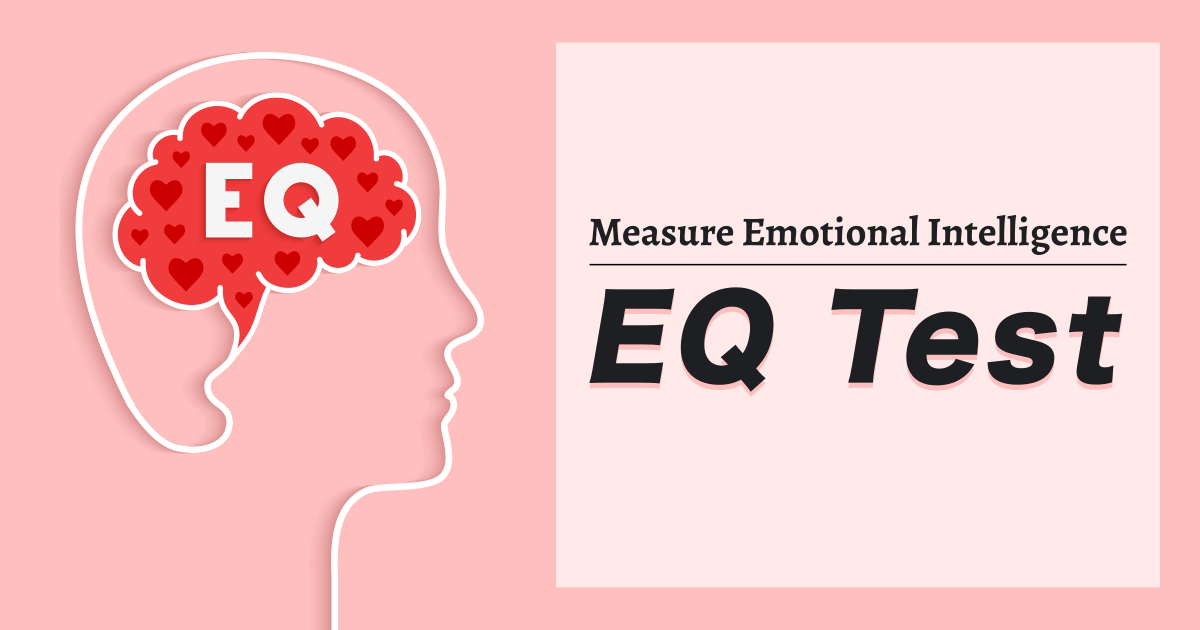
Employee development programs have evolved significantly over the past decade. Organizations no longer focus solely on technical skills and job-specific training. Instead, many companies recognize that interpersonal abilities, communication skills, adaptability, and emotional awareness are equally important for long-term success. As a result, emotional intelligence assessment has become an essential component of modern employee development strategies.
Emotional intelligence influences how employees interact with colleagues, manage stress, resolve conflicts, and contribute to workplace culture. By incorporating emotional intelligence assessment into development programs, organizations can gain valuable insights into employee strengths and identify areas for improvement. These assessments help create more effective training initiatives while supporting both individual growth and organizational performance.
This article explores the role of emotional intelligence assessment in employee development programs, examines its benefits, discusses implementation strategies, and explains how an emotional intelligence test can contribute to workplace success.
Understanding Emotional Intelligence in the Workplace
Emotional intelligence refers to the ability to recognize, understand, manage, and influence emotions in oneself and others. It plays a critical role in workplace interactions because employees constantly navigate social situations, collaborate with team members, and respond to professional challenges.
Emotional intelligence is generally divided into five key components:
- Self-awareness
- Self-regulation
- Motivation
- Empathy
- Social skills
These competencies influence communication, teamwork, leadership effectiveness, and employee engagement.
Employees with strong emotional intelligence often demonstrate greater adaptability, stronger problem-solving abilities, and improved workplace relationships. As organizations strive to create productive and supportive work environments, emotional intelligence has become a highly valued professional skill.
What Is an Emotional Intelligence Assessment?
An emotional intelligence assessment is a structured evaluation designed to measure emotional competencies. It provides insights into how individuals perceive, understand, and manage emotions in various situations.
An emotional intelligence test may evaluate:
- Emotional awareness
- Stress management
- Interpersonal effectiveness
- Empathy levels
- Communication skills
- Conflict resolution abilities
The results help organizations understand employee strengths and identify areas where development may be beneficial.
Rather than serving as a judgment tool, an emotional intelligence assessment functions as a developmental resource that supports personal and professional growth.
Why Employee Development Programs Need Emotional Intelligence Assessment
Traditional employee development programs often focus on technical expertise and job performance. While these areas remain important, they do not fully address the interpersonal challenges employees encounter daily.
Emotional intelligence assessment fills this gap by evaluating skills that directly affect workplace relationships and team dynamics.
Organizations benefit because they can:
- Develop more effective training programs
- Improve communication across teams
- Strengthen leadership pipelines
- Increase employee engagement
- Enhance organizational culture
By understanding emotional competencies, companies can create targeted development initiatives that produce measurable results.
Identifying Strengths and Development Opportunities
One of the most valuable aspects of emotional intelligence assessment is its ability to reveal both strengths and improvement areas.
Many employees are unaware of how their emotional behaviors affect workplace performance.
For example, an employee may excel at problem-solving but struggle with communication during stressful situations. Another employee may demonstrate strong empathy but have difficulty managing conflict.
An emotional intelligence test helps identify these patterns, allowing organizations to design personalized development plans.
This targeted approach often leads to more effective learning outcomes compared to generic training programs.
Supporting Leadership Development
Leadership development is one of the most common applications of emotional intelligence assessment.
Effective leaders must do more than manage tasks and projects. They must also inspire employees, navigate workplace challenges, and build strong relationships.
Emotional intelligence assessment helps identify leadership competencies such as:
- Self-awareness
- Emotional regulation
- Empathy
- Communication
- Relationship management
Organizations frequently use emotional intelligence test results to prepare high-potential employees for leadership roles.
By strengthening emotional intelligence, future leaders can develop the interpersonal skills necessary to manage teams successfully.
Improving Communication Skills
Communication is a cornerstone of workplace effectiveness.
Misunderstandings, poor listening habits, and ineffective feedback can create unnecessary challenges within organizations.
Emotional intelligence assessment helps employees better understand their communication styles and emotional responses.
Development programs can then focus on improving:
- Active listening
- Constructive feedback
- Verbal communication
- Nonverbal communication
- Emotional awareness during conversations
Enhanced communication leads to stronger collaboration and reduced workplace friction.
Enhancing Team Collaboration
Modern organizations rely heavily on teamwork. Employees must collaborate across departments, cultures, and professional backgrounds.
Emotional intelligence assessment supports collaboration by identifying factors that influence team interactions.
Employees with high emotional intelligence tend to:
- Respect diverse perspectives
- Communicate effectively
- Resolve disagreements constructively
- Build trust with colleagues
Development programs that incorporate emotional intelligence training often improve team performance by strengthening these essential interpersonal skills.
Strengthening Conflict Resolution Skills
Conflict is a natural part of any workplace.
Differences in opinions, priorities, and communication styles can create tension among employees.
An emotional intelligence assessment can reveal how individuals typically respond to conflict.
Some employees may avoid confrontation entirely, while others may react emotionally under pressure.
Using insights from an emotional intelligence test, organizations can provide training that helps employees:
- Remain calm during disagreements
- Understand opposing viewpoints
- Communicate respectfully
- Focus on solutions rather than blame
Improved conflict resolution skills contribute to healthier workplace relationships and increased productivity.
Increasing Employee Engagement
Employee engagement is strongly connected to emotional intelligence.
Employees who feel understood, valued, and supported are more likely to remain committed to their organizations.
Emotional intelligence assessment helps organizations understand factors that influence employee engagement, including:
- Emotional awareness
- Relationship quality
- Communication effectiveness
- Leadership support
Development programs based on assessment findings can create more positive workplace experiences.
Higher engagement often leads to:
- Increased productivity
- Greater job satisfaction
- Reduced turnover
- Improved morale
These outcomes benefit both employees and employers.
Building a Positive Organizational Culture
Organizational culture is shaped by employee behavior, leadership practices, and workplace relationships.
Companies that prioritize emotional intelligence often foster cultures characterized by:
- Respect
- Trust
- Collaboration
- Inclusion
- Open communication
An emotional intelligence assessment helps organizations measure the emotional competencies that influence workplace culture.
By addressing development needs identified through assessments, companies can strengthen cultural values and improve overall organizational health.
Personalizing Employee Development Programs
One-size-fits-all training programs rarely produce optimal results.
Employees possess different strengths, weaknesses, experiences, and learning needs.
Emotional intelligence assessment enables organizations to personalize development initiatives by identifying individual competency gaps.
For example:
- One employee may need communication coaching.
- Another may benefit from stress management training.
- A future leader may require empathy development.
Customized learning plans increase the effectiveness of development programs and accelerate employee growth.
Measuring Development Progress
Employee development is an ongoing process.
Organizations need reliable methods for evaluating whether training initiatives are producing meaningful results.
An emotional intelligence assessment provides measurable benchmarks that can be tracked over time.
By administering an emotional intelligence test periodically, organizations can monitor improvements in:
- Self-awareness
- Communication
- Empathy
- Leadership effectiveness
- Team collaboration
These insights help determine whether development programs are achieving desired outcomes.
Emotional Intelligence Assessment and Employee Retention
Retaining talented employees is a major challenge for many organizations.
Workplace stress, poor leadership, and ineffective communication are common reasons employees leave their jobs.
Emotional intelligence assessment can help address these issues by identifying opportunities for improvement before they become significant problems.
Organizations that invest in emotional intelligence development often create environments where employees feel:
- Respected
- Supported
- Connected
- Motivated
These positive experiences contribute to stronger employee retention rates.
Best Practices for Implementing Emotional Intelligence Assessment
To maximize the value of emotional intelligence assessment, organizations should follow several best practices.
Create a Development-Focused Approach
Employees should view assessments as opportunities for growth rather than evaluations for punishment.
Ensure Confidentiality
Assessment results should be handled responsibly to encourage honest participation.
Combine Assessments with Training
Assessment data should be used to create targeted learning experiences that address identified needs.
Provide Ongoing Support
Coaching, mentoring, and follow-up training can reinforce emotional intelligence development.
Measure Long-Term Progress
Regular reassessment helps track improvements and maintain momentum.
Following these practices increases the effectiveness of employee development programs.
The Future of Emotional Intelligence in Employee Development
As workplaces become increasingly collaborative and people-focused, emotional intelligence will continue to play a central role in employee development.
Organizations are recognizing that emotional competencies contribute significantly to:
- Leadership effectiveness
- Workplace culture
- Employee engagement
- Team performance
- Customer satisfaction
As a result, emotional intelligence test is likely to become an even more common feature of talent development strategies.
Advances in assessment technology and data analytics will further enhance the ability of organizations to measure and develop emotional intelligence at scale.
Conclusion
Emotional intelligence has become a critical factor in workplace success, making emotional intelligence assessment an essential component of modern employee development programs. By evaluating competencies such as self-awareness, empathy, communication, and emotional regulation, organizations gain valuable insights that support both individual growth and organizational performance.
An emotional intelligence test helps identify strengths, uncover development opportunities, and guide personalized learning initiatives. From leadership development and team collaboration to employee engagement and retention, emotional intelligence assessment delivers benefits across every level of an organization.
As businesses continue to invest in people-centered development strategies, emotional intelligence assessment will remain a powerful tool for building stronger employees, more effective leaders, and healthier workplace cultures. Organizations that prioritize emotional intelligence today are positioning themselves for greater success in the future.


 Acrid Semblance
 james hat