seenivasan v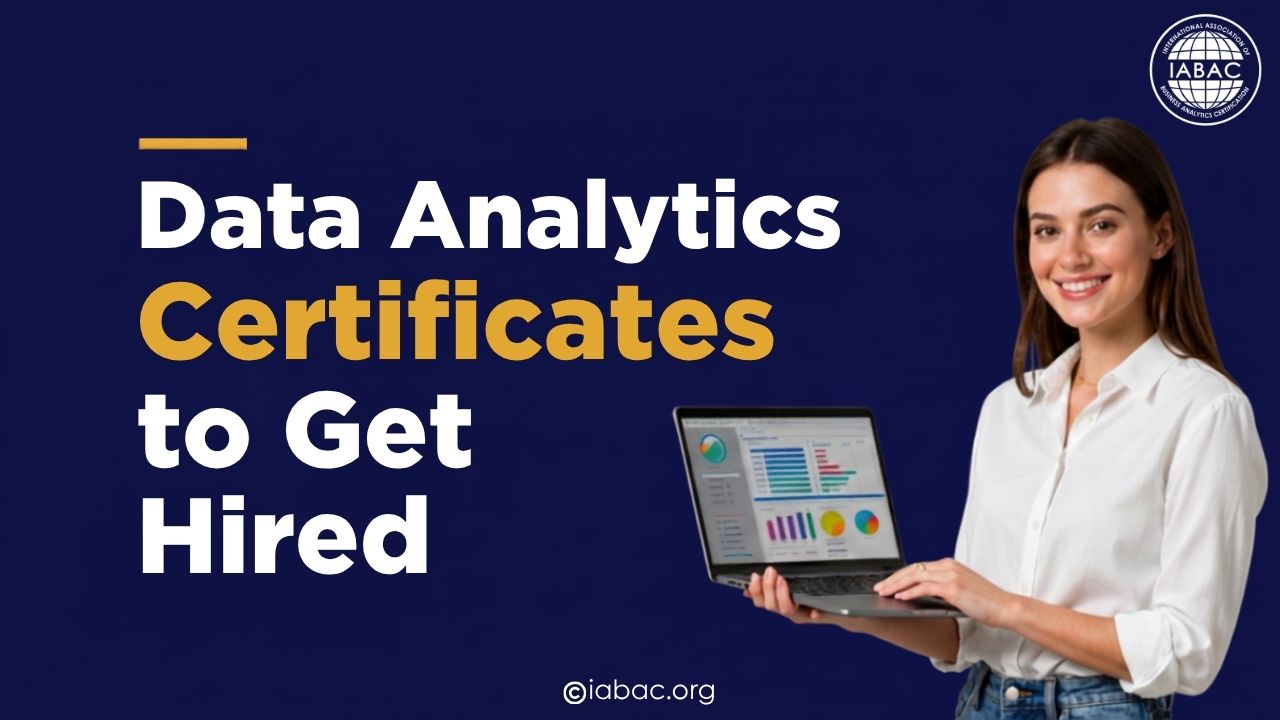
In today’s job market, data has become one of the most valuable assets for businesses. Companies use data to understand customers, improve products, reduce costs, and make better decisions. Because of this growing demand, organizations are actively looking for professionals who can collect, analyze, and interpret data.
Many people want to enter the field of data analytics but often wonder where to start. One of the best ways to build the required skills and prove your knowledge is through data analytics certificate programs. These programs help learners gain practical knowledge, improve their resumes, and increase their chances of getting hired.
In this blog, we will explore what data analytics certificate programs are, why they matter, the skills they teach, and how they can help you start or grow your career in analytics.
What Are Data Analytics Certificate Programs?
Data analytics certificate programs are structured learning courses designed to teach the skills needed to work with data. These programs usually cover the fundamentals of data analysis, visualization, reporting, statistics, and business decision-making.
Upon completing a certificate program, learners receive a certification that demonstrates their understanding of data analytics concepts and tools.
These programs are suitable for:
- Fresh graduates
- Working professionals
- Career changers
- Business analysts
- IT professionals
- Marketing professionals
- Finance professionals
Whether you are new to data analytics or looking to improve your existing skills, a certification program can help you build confidence and credibility.
Why Data Analytics Skills Are in High Demand
Organizations generate huge amounts of data every day. This data comes from websites, mobile applications, customer transactions, social media platforms, and business operations.
However, collecting data alone is not enough. Businesses need professionals who can transform raw data into useful insights.
Data analysts help companies answer important questions such as:
- Which products are selling the most?
- Why are sales increasing or decreasing?
- What do customers prefer?
- Which marketing campaigns perform best?
- How can costs be reduced?
By providing answers to these questions, data analysts play an important role in business success.
As more companies become data-driven, the demand for skilled analysts continues to grow across industries.
Benefits of Enrolling in Data Analytics Certificate Programs
Learn Industry-Relevant Skills
Certificate programs focus on practical skills that employers look for when hiring candidates.
You learn how to:
- Collect data
- Clean data
- Analyze datasets
- Create reports
- Build dashboards
- Present findings to stakeholders
These skills are useful in real business environments.
Improve Your Resume
Employers often receive hundreds of applications for a single position.
Having a recognized certification on your resume helps you stand out and demonstrates your commitment to learning.
It also shows employers that you possess verified knowledge in data analytics.
Increase Job Opportunities
Many companies prefer candidates who have completed structured training programs.
A certification can help you qualify for roles such as:
- Data Analyst
- Business Analyst
- Reporting Analyst
- Operations Analyst
- Marketing Analyst
- Financial Analyst
- Data Associate
This increases your chances of getting shortlisted for interviews.
Build Professional Confidence
Many beginners hesitate to apply for analytics jobs because they feel they lack experience.
A certification program provides a clear learning path and helps you gain confidence in your skills.
As you complete projects and assignments, you become more comfortable working with data.
Support Career Growth
Even experienced professionals can benefit from certification programs.
Learning modern analytics techniques can help you:
- Move into higher-paying roles
- Take on leadership responsibilities
- Transition into analytics-focused positions
- Stay competitive in the job market
Important Skills Covered in Data Analytics Certificate Programs
Data Collection
The first step in analytics is gathering relevant data.
Certificate programs teach how data is collected from different sources and prepared for analysis.
Understanding data sources helps analysts work more effectively.
Data Cleaning
Raw data often contains errors, missing values, and duplicate records.
Data cleaning ensures that information is accurate and reliable before analysis begins.
This is one of the most important skills for every analyst.
Data Analysis
Data analysis involves examining information to identify patterns and trends.
Learners discover how to interpret data and draw meaningful conclusions that support business decisions.
Data Visualization
Data becomes easier to understand when presented visually.
Analytics programs teach learners how to create:
- Charts
- Graphs
- Dashboards
- Reports
Visual representations help decision-makers quickly understand important insights.
Statistics Fundamentals
Statistics forms the foundation of data analytics.
Certificate programs often cover topics such as:
- Mean
- Median
- Mode
- Probability
- Correlation
- Data distribution
Understanding these concepts helps analysts make accurate interpretations.
Business Understanding
Analytics is not only about numbers.
Professionals must understand business goals and connect insights to real-world outcomes.
Many certificate programs include business-focused learning to help students think strategically.
How Certificate Programs Help You Get Hired
Demonstrate Commitment to Learning
Employers appreciate candidates who invest time in professional development.
Completing a certification program shows dedication and willingness to learn new skills.
This creates a positive impression during the hiring process.
Validate Your Knowledge
A certificate acts as proof that you have studied important analytics concepts.
Recruiters often view certifications as evidence of technical competency.
This can strengthen your application.
Prepare You for Interviews
Many certification programs include practical exercises and projects.
These experiences help you discuss real examples during interviews.
Instead of speaking only about theory, you can explain how you solved data-related problems.
Create a Portfolio
Projects completed during certification programs can become part of your professional portfolio.
A portfolio demonstrates your abilities and gives employers confidence in your skills.
Improve Professional Credibility
Certifications add credibility to your profile.
They help employers trust that you possess foundational knowledge and are ready to contribute to business objectives.
Industries Hiring Data Analytics Professionals
Data analytics skills are valuable across multiple industries.
Healthcare
Healthcare organizations use analytics to improve patient care, manage resources, and enhance operational efficiency.
Finance
Banks and financial institutions analyze data to identify risks, detect fraud, and improve customer services.
Retail
Retail businesses use analytics to understand customer behavior and optimize inventory management.
Marketing
Marketing teams rely on analytics to measure campaign performance and improve customer engagement.
Technology
Technology companies use data analytics to improve products, monitor performance, and support business growth.
Manufacturing
Manufacturers use analytics to improve production efficiency and reduce operational costs.
These examples show that analytics professionals are needed in almost every industry.
Who Should Join Data Analytics Certificate Programs?
Data analytics certificate programs are suitable for a wide range of learners.
Students and Fresh Graduates
Students can gain practical skills that complement their academic qualifications.
This helps them become job-ready before entering the workforce.
Working Professionals
Professionals from different backgrounds can use analytics skills to advance their careers.
Many organizations value employees who can make data-driven decisions.
Career Changers
People moving from non-technical fields can use certificate programs as a stepping stone into analytics careers.
Structured learning makes the transition easier.
Business Professionals
Managers and business leaders can benefit from understanding analytics concepts to make better strategic decisions.
How to Choose the Right Data Analytics Certificate Program
Not all programs are the same.
When selecting a certification, consider the following factors.
Industry Recognition
Choose a certification that is recognized by employers and industry professionals.
Recognition can increase the value of your certification.
Practical Learning
Look for programs that include hands-on exercises, projects, and case studies.
Practical experience is essential for building job-ready skills.
Comprehensive Curriculum
A good program should cover key analytics topics, including data analysis, visualization, statistics, and reporting.
Flexible Learning Options
Many learners prefer online programs because they allow learning at their own pace.
Flexibility makes it easier to balance studies with work and personal commitments.
Career Support
Some programs provide additional support such as interview preparation, project guidance, and professional networking opportunities.
These resources can be valuable when seeking employment.
One Recommended Certification
For learners looking to build practical analytics skills and strengthen their professional profile, the IABAC Data Analytics Certification is a recognized option that aligns with industry requirements.
Data analytics has become one of the most promising career fields in today’s digital economy. Organizations across industries are actively searching for professionals who can transform data into valuable business insights.
Data analytics certificate programs provide a structured path to learning these skills. They help learners understand data concepts, develop practical abilities, build confidence, and improve their employment opportunities.
Whether you are a student, a working professional, or someone planning a career change, a quality certification program can help you take the next step toward a successful analytics career.
As businesses continue to rely on data for decision-making, certified analytics professionals will remain in high demand. Investing in the right data analytics certificate program today can open the door to exciting career opportunities tomorrow.

 james hat
 alvin devid