PR prpublication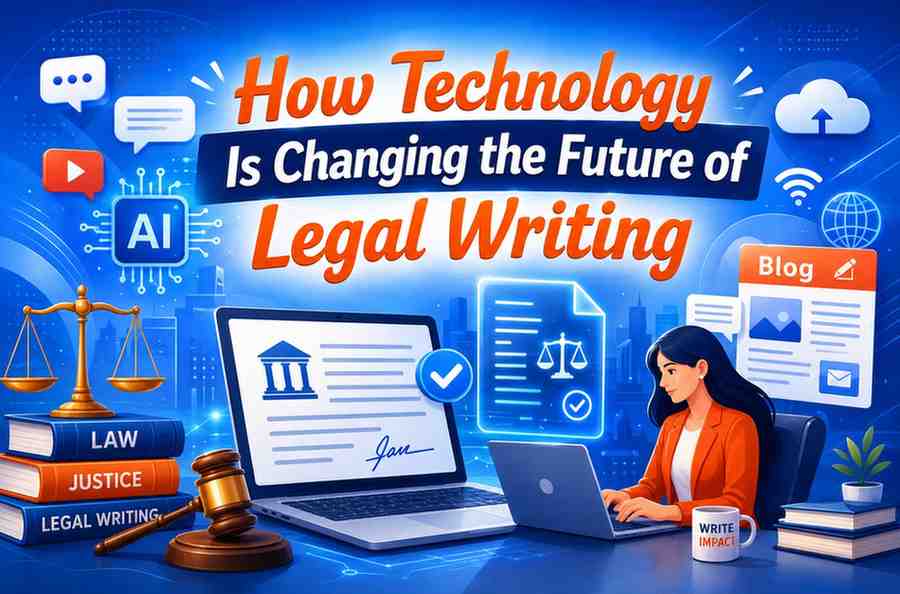
The legal industry has traditionally relied on detailed documentation, extensive research, and precise communication. However, technological advancements are rapidly transforming how legal professionals create, edit, and manage documents. Today, Legal Writing is becoming more efficient, accurate, and accessible thanks to innovative digital tools.
The Rise of Digital Legal Tools
Modern law firms and legal professionals now use specialized software to streamline document creation and management. These tools help automate repetitive tasks, organize legal information, and reduce the time spent drafting documents. As a result, lawyers can focus more on strategy and client service rather than administrative work.
Document automation software, for example, allows legal professionals to generate contracts, agreements, and legal forms using pre-approved templates. This not only saves time but also helps maintain consistency across legal documents.
Artificial Intelligence in Legal Writing
Artificial intelligence (AI) is one of the most significant technological developments affecting Legal Writing. AI-powered tools can assist with legal research, document review, grammar checks, and content suggestions. These systems can quickly analyze large amounts of information and identify relevant legal precedents, making the research process much faster.
AI also helps improve the quality of legal documents by detecting errors, suggesting clearer language, and ensuring consistency throughout a document. While AI cannot replace the expertise of a legal professional, it serves as a valuable support tool that enhances productivity.
Improved Accuracy and Compliance
Accuracy is essential in the legal field. Even minor mistakes can lead to misunderstandings or legal complications. Technology helps reduce human error by providing automated proofreading, citation management, and document validation features.
Many legal platforms also include compliance-checking tools that ensure documents align with current regulations and legal standards. This added layer of verification helps legal professionals produce more reliable and accurate work.
Better Collaboration and Accessibility
Cloud-based technology has transformed how legal teams collaborate. Lawyers, paralegals, and clients can now access documents from virtually anywhere with an internet connection. Real-time collaboration features allow multiple users to review, edit, and comment on documents simultaneously.
This increased accessibility improves communication and helps legal teams work more efficiently, especially when managing complex cases involving multiple stakeholders.
The Shift Toward Plain Language
Technology is also encouraging the use of clearer and more reader-friendly language in legal documents. Advanced writing tools can identify overly complex phrases and recommend simpler alternatives. This trend is making Legal Writing more accessible to clients who may not have a legal background.
By improving readability, legal professionals can communicate more effectively and build stronger relationships with their clients.
The Future of Legal Writing
As technology continues to evolve, the future of Legal Writing will likely involve even greater automation, smarter AI systems, and more advanced document management solutions. Legal professionals who embrace these innovations will be better positioned to increase efficiency, improve accuracy, and meet the growing demands of clients.
While technology cannot replace legal expertise, it is becoming an essential part of the legal profession. By combining professional knowledge with modern tools, legal professionals can create higher-quality documents and deliver better results for their clients.
Conclusion
Technology is reshaping the legal industry in many ways, and Legal Writing is no exception. From AI-powered research tools to cloud-based collaboration platforms, digital innovations are making legal work faster, more accurate, and more accessible. As these technologies continue to advance, they will play an increasingly important role in the future of legal communication.


 Dipak Straits
 Acrid Semblance