Alessandra Conti
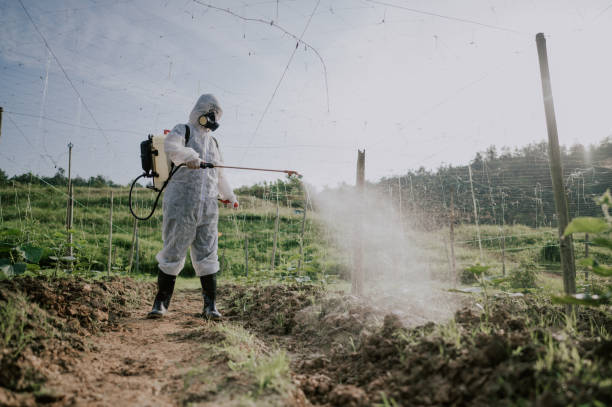
Peru’s specialty fertilizer landscape is evolving as growers focus on improving crop productivity, export quality, and nutrient-use efficiency across fruits, vegetables, coffee, cocoa, grains, and greenhouse production. Specialty fertilizers differ from conventional products because they are designed for targeted delivery through controlled-release formulations, water-soluble products, fertigation systems, foliar sprays, and micronutrient blends. These solutions are becoming more relevant as farms seek better nutrient timing and higher crop performance.
According to MarkNtel Advisors, the Peru Specialty Fertilizers Market size was valued at around USD 0.99 billion in 2025 and is projected to reach USD 2.67 billion by 2032, registering a CAGR of around 17.83% during 2026–2032. This strong expansion in crop nutrition is being supported by rising demand for high-value crops, controlled-release fertilizers, water-soluble products, primary nutrients, and precision-focused agricultural inputs.
High-Value Crops Are Driving Targeted Fertilizer Use
Peru has become an important exporter of fruits and vegetables, including grapes, blueberries, avocados, asparagus, mangoes, citrus, and other high-value crops. These crops often require precise nutrient programs to support flowering, fruit size, firmness, color, shelf life, and export-grade quality. Specialty fertilizers help growers apply nutrients according to crop stage, soil condition, irrigation schedule, and climate conditions.
Peru’s agriculture sector is also linked with irrigation expansion. Reuters reported that Peru announced around USD 24 billion in irrigation projects to expand farmland by about one million hectares, with projects planned across the coast, highlands, and Amazon. Wider irrigation access can increase the relevance of fertigation-compatible fertilizers and efficient nutrient delivery.
Fertigation and Water-Soluble Products Are Gaining Importance
Fertigation is becoming increasingly important in Peru’s specialty fertilizer ecosystem because many export-oriented farms use drip irrigation and controlled water delivery. Water-soluble fertilizers are suitable for these systems because they dissolve quickly and can be applied directly through irrigation lines. This supports more accurate nutrient timing and can reduce losses when properly managed.
For fruit and vegetable growers, fertigation offers practical advantages. Nutrients can be adjusted throughout the crop cycle, helping farmers respond to growth stages, weather changes, and quality requirements. In water-sensitive regions, combining irrigation and fertilization also supports better resource efficiency.
Primary Nutrients Still Lead the Demand Base
Primary nutrient specialty fertilizers lead Peru’s sector, accounting for around 59.25% share in 2025, according to MarkNtel Advisors. Nitrogen, phosphorus, and potassium remain essential for vegetative growth, root development, flowering, fruiting, and yield formation. However, secondary nutrients and micronutrients are gaining attention as farmers identify deficiencies that affect quality and productivity.
The World Bank tracks fertilizer consumption in kilograms per hectare of arable land, reflecting how nutrient inputs support agricultural productivity. As input costs remain important, growers are likely to evaluate not only how much fertilizer they apply but also how efficiently crops absorb those nutrients.
Soil and Climate Diversity Require Crop-Specific Solutions
Peru’s farming regions vary sharply across the coastal desert, Andean highlands, and Amazon areas. Soil conditions, irrigation access, rainfall, temperature, and crop calendars differ widely. This makes crop-specific nutrient planning especially important. A fertilizer program that works for irrigated coastal blueberries may not be suitable for coffee, cocoa, potatoes, or highland vegetables.
The FAO emphasizes integrated plant nutrient management as a way to improve productivity while maintaining soil resources and environmental quality. For Peru, integrated nutrient planning can support more precise fertilizer application, better soil health, and improved long-term farm performance.
Import Dependence Makes Efficiency More Valuable
Peru relies significantly on imported fertilizers, making farmers exposed to global price movements, logistics costs, and supply-chain uncertainty. The World Bank WITS database shows Peru imported fertilizers worth about USD 727.77 million in 2023. This import reliance increases the practical value of specialty fertilizers that can improve nutrient efficiency and reduce waste.
Specialty products may cost more upfront than conventional fertilizers, but they can support better nutrient timing, lower losses, and stronger crop quality when used correctly. Their adoption depends on affordability, technical guidance, irrigation infrastructure, and grower confidence.
A More Precision-Led Fertilizer Future
Peru’s specialty fertilizer ecosystem is expected to remain closely linked to export agriculture, irrigation development, greenhouse production, crop-quality standards, and efficient nutrient use. Future demand will likely focus on water-soluble fertilizers, controlled-release products, micronutrient blends, fertigation inputs, and crop-specific advisory programs.
As farmers face rising input costs, water limitations, and export-quality expectations, specialty fertilizers will become more important for targeted crop nutrition. The next phase will depend on technical support, distribution access, product affordability, and solutions adapted to Peru’s diverse agricultural regions.


 hds pmu
 enfield abudhabi