Hotsy of Virginia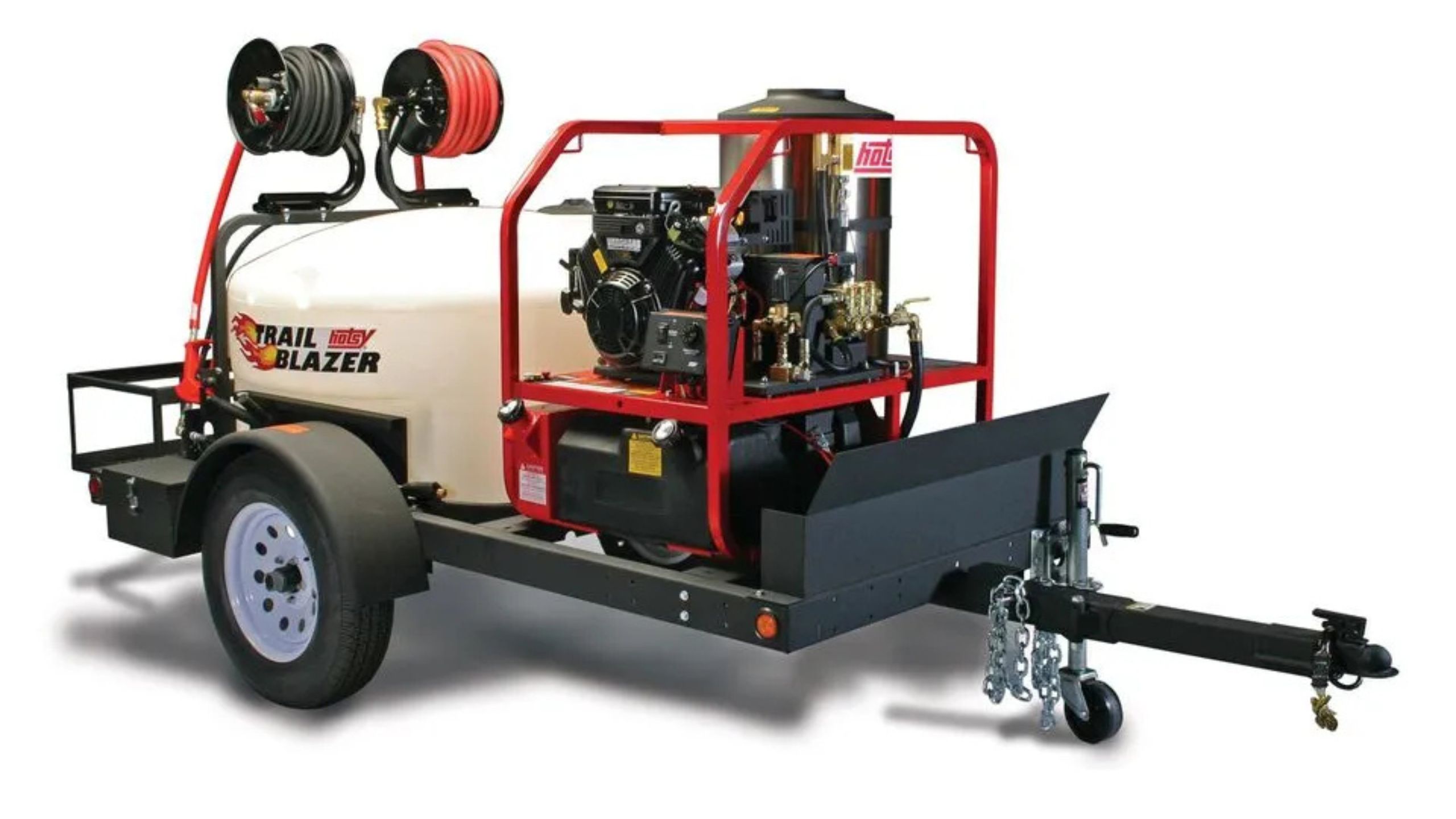
Running a commercial wash crew means hauling a massive amount of cleaning power directly to a job site. However, industrial washing generates thousands of gallons of heavily contaminated runoff mixed with oils, fuel residues, heavy metals, and harsh detergents.
In the past, operators simply let this dirty water flow off the asphalt and disappear down the nearest curb. Today, federal and state agencies enforce strict regulations to protect local waterways from toxic runoff, and getting caught discharging wastewater into a public drain can trigger massive fines.
That’s why to safeguard a business from devastating legal liabilities and surprise municipal inspections, ensuring total compliance with a heavy-duty mobile power washer trailer in Richmond, VA, is absolutely critical.
Key Takeaways
- Storm Drain Protection: The strict legal boundaries separating clean rainwater from industrial wastewater runoff.
- On-Site Wastewater Reclamation: Utilizing vacuum containment systems to capture dirty water before it leaves the property.
- Smart Chemical Selection: Choosing biodegradable soaps to lower the environmental footprint of daily washing jobs.
How Can You Tell If A Mobile Power Washer Complies With Richmond Environmental Laws?
● Understand the Rules Regulating Public Storm Drain Systems
The most important legal rule for any commercial exterior cleaner to get a clear grasp of is that public storm drains are built exclusively for natural rainwater.
Street storm systems empty directly into local creeks and rivers without passing through a water treatment plant. Letting oily grease, paint chips, or soapy foam slip into these grates is an immediate violation of environmental laws.
Setting up a compliant job site means an operator must completely block these inlets using heavy rubber mats or sandbags before ever firing up a mobile power washer trailer in Richmond, VA.
● Deploy Full Wastewater Containment & Vacuum Recovery Systems
To remain fully compliant with municipal wastewater rules, a mobile wash setup must be able to collect the dirty water it produces. High-end rigs feature industrial vacuum recovery tools that suck up standing puddles right as the surface is being blasted clean.
This gray water is pulled through a suction line and stored inside a dedicated onboard containment tank rather than being left to soak into the surrounding ground.
Having a built-in recovery system is a non-negotiable requirement for anyone running a professional mobile power washer trailer in Richmond, VA.
● Evaluate Onboard Filtration Systems for Legal Wastewater Disposal
Capturing hundreds of gallons of dirty water on a job site is only half the battle won; a team still needs a legal way to get rid of it. Multi-stage filtration systems in compliant trailers remove heavy solids, sludge, and floating oils from captured water.
Once the water has been filtered safely, it can be legally discharged into a designated sanitary sewer cleanout or hauled back to an approved disposal facility.
When operating a mobile power washer trailer in Richmond, VA, one of your essential tasks is to check the reliability of these onboard filtration loops.
Conclusion
Staying compliant with local environmental laws is a basic cost of doing business that separates fly-by-night operations from legitimate commercial contractors.
Investing in certified mobile pressure washing systems ensures the business has all the vacuum and filtration tools needed to stay perfectly protected from expensive EPA fines.
Combining a clear understanding of local runoff laws with the right industrial equipment ensures the business stays highly profitable, legally safe, and respected within the community.

 john ryan
 tiptop einrichtung