Alessandra Conti
Germany’s greenhouse horticulture sector is gaining importance as growers, retailers, and food suppliers look for more stable ways to produce vegetables, fruits, flowers, and ornamental plants. Greenhouse systems help protect crops from seasonal uncertainty, temperature variations, heavy rainfall, pests, and changing growing conditions. They also support year-round cultivation, improved crop quality, and better control over water, nutrients, light, and energy use.
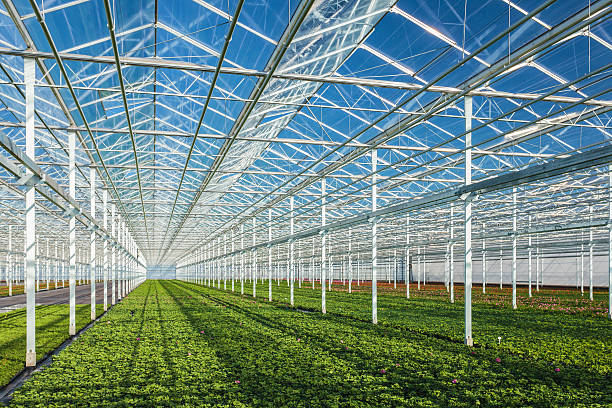
As per MarkNtel Advisors, Germany’s greenhouse horticulture sector was valued at around USD 1.60 billion in 2025 and is projected to grow from USD 1.71 billion in 2026 to nearly USD 2.85 billion by 2032, expanding at a CAGR of about 8.89% during 2026–2032. These industry growth trends are supported by rising demand for fresh produce, advanced climate-control systems, fruits and vegetables production, and increasing focus on sustainable cultivation.
Controlled Cultivation Supports Consistent Production
Greenhouse horticulture allows producers to manage crop conditions more precisely than open-field farming. Temperature, humidity, irrigation, carbon dioxide levels, lighting, and nutrient supply can be adjusted according to crop requirements. This is especially useful in Germany, where changing weather patterns and seasonal limitations can affect vegetable and ornamental plant production.
The fruits and vegetables segment holds a strong position because tomatoes, cucumbers, peppers, leafy greens, strawberries, and herbs benefit from protected cultivation. Greenhouses help maintain uniform quality, reduce exposure to pests, and extend harvesting periods. For retailers and food suppliers, this supports more predictable sourcing and better planning across fresh food supply chains.
Sustainability Policies Influence Grower Decisions
Germany’s agricultural direction is closely linked with climate protection, resource conservation, and sustainable food production. The Federal Ministry of Agriculture, Food and Regional Identity focuses on sustainable agriculture, food security, rural development, and responsible production practices. These priorities influence greenhouse operators that are investing in energy-efficient systems, improved irrigation, and lower-emission technologies.
Energy use is one of the most important considerations in greenhouse cultivation. Heating, lighting, ventilation, and cooling require careful management, especially for high-tech facilities. Growers are increasingly evaluating renewable energy, heat recovery, thermal screens, LED lighting, and automation to reduce operating costs and environmental impact. This shift is making efficiency central to greenhouse design and daily operations.
EU Agricultural Framework Supports Modernization
Germany’s greenhouse sector is also shaped by broader European agricultural policy. The European Commission outlines Germany’s CAP Strategic Plan, which supports competitiveness, environmental goals, rural resilience, and sustainable farming. Such policy frameworks encourage growers to adopt technologies that improve productivity while reducing pressure on land, water, and energy resources.
Controlled cultivation aligns with these goals because it can produce higher output from limited space. It can also reduce water waste through recirculating irrigation systems and improve input efficiency through targeted nutrient delivery. For regions facing land constraints or weather-related risks, greenhouse horticulture provides a structured approach to maintaining high-value production.
German Production Data Shows Protected Cultivation Relevance
Official agricultural statistics also show the importance of protected growing systems. The Federal Statistical Office reports data for vegetables grown under glass or high accessible protective cover, including tomatoes, cucumbers, lettuce, peppers, and other crops. These categories reflect the practical role of greenhouse and similar structures in German horticulture.
Protected cultivation is not limited to food crops. Ornamental plants and flowers also rely on controlled environments to maintain consistent quality, appearance, and timing. This makes greenhouse infrastructure important for both food supply and the ornamental plant value chain. Regional clusters, technical expertise, and supplier networks further support the sector’s development.
Technology Is Reshaping Greenhouse Operations
Digital systems are becoming more common in greenhouse horticulture. Sensors, cloud-based platforms, automated irrigation, climate software, robotics, and artificial intelligence help growers monitor plant health and improve decision-making. These tools can detect changes in humidity, temperature, disease risk, nutrient balance, and water use before problems become serious.
The Food and Agriculture Organization notes that protected cultivation can reduce pesticide-related risks and improve productivity when managed correctly. In Germany, these benefits are relevant as growers seek safer, cleaner, and more resource-efficient production systems.
Research institutions are also supporting innovation in controlled cultivation. Wageningen University & Research highlights work on circular, fossil-free, and emission-free greenhouse production. Although based in the Netherlands, such research is relevant across Europe because German growers and technology providers are part of a connected regional horticulture ecosystem.
Outlook
Germany’s greenhouse horticulture sector is expected to continue developing as sustainability goals, fresh produce demand, automation, and climate adaptation shape production practices. High energy costs, investment requirements, and technical complexity remain important challenges. However, efficient climate systems, digital monitoring, renewable energy use, and improved crop management are likely to support more resilient and productive greenhouse operations in the coming years.


 Jhon Kary