Swisser Instruments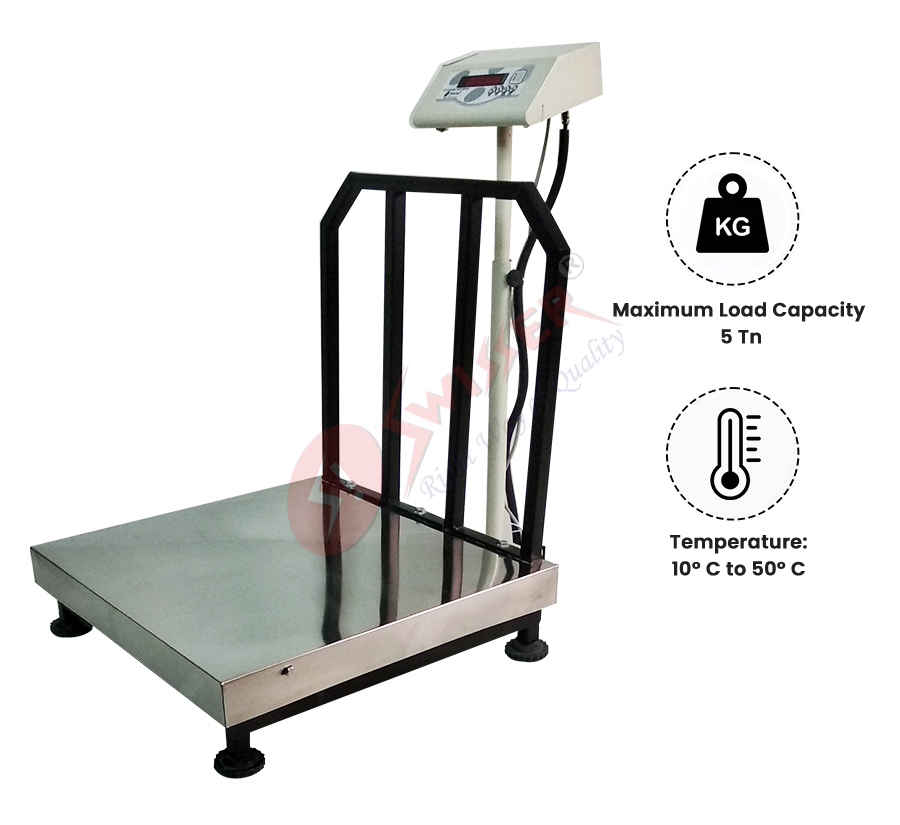
Walk through any warehouse, processing plant, dispatch unit, or production floor, and there’s a platform weighing scale somewhere in the picture. Most of the time nobody gives it a second thought. It’s just there, doing its job. But pull it out of the equation, and the problems show up fast—wrong shipment weights, billing disputes, compliance failures, and batch inconsistencies.
A platform weighing scale is one of those pieces of equipment that holds a lot of operational accuracy together without getting much credit for it. Here’s a look at the industries that depend on them daily and why.
1. Logistics and Warehousing
This is probably the most visible use. Logistics operations use platform scales to weigh large shipments before they move. Shipping costs are weight-dependent, and carriers have limits. An accurate reading at dispatch keeps both under control.
Most warehouses have a platform weighing scale near the dispatch area, and there’s a good reason for that. Every consignment that goes out carries a weight figure that determines freight cost, paperwork, and whether it meets carrier requirements. When that figure is wrong, the problems travel with the shipment. Carrier disputes, penalties, and delayed deliveries all trace back to a weight reading that wasn’t right at the point of dispatch. A reliable platform scale, connected to the warehouse management system, stops most of those problems before they leave the building.
2. Manufacturing
Manufacturing operations weigh things constantly. Incoming raw materials at goods receipt, ingredients going into a batch, finished goods at dispatch. A platform weighing scale sits at multiple points in that chain, and when it’s off, the problems compound quickly. Wrong input weights lead to batch errors. Batch errors lead to rework. Rework leads to wasted material and time. Accurate weighing helps reduce waste and keep production consistent. It’s not a complicated idea, but it’s one that shows up in the numbers when the weighing is done right and equally when it isn’t.
3. Food Processing and Packaging
Food processing doesn’t give you much room on measurement errors. Portion sizes need to be consistent. Ingredient ratios need to be right. Package weights need to match what’s printed on the label, or you have a compliance problem on top of a quality one.
In practice, the platform weighing scale on a food processing line is doing quiet but important work — every batch, every shift. Sanitary floor scales used in food processing environments have a top deck that can be easily lifted, which facilitates easier cleaning and maintenance. That matters because hygiene standards in food facilities are non-negotiable, and a scale that’s difficult to clean properly becomes a liability. Build material, platform design, and ease of cleaning are as important as the weight reading itself in this application.
4. Pharmaceuticals
Pharmaceutical manufacturing has less tolerance for weighing errors than almost any other industry. Ingredient weights determine how a drug performs. Get them wrong and the batch fails, full stop. Platform scales in pharma environments need to be accurate, consistent, and traceable. That’s the baseline requirement, and there’s no working around it.
In pharma, the weight reading is only part of what matters. That reading needs to be recorded, tied to a batch, and auditable. Platform scales in these environments need to connect to batch management or ERP systems to make that happen. Stainless steel construction and sealed components are also standard requirements because cleaning protocols are strict and happen regularly.
5. Agriculture
Platform scales are used in the agriculture sector to weigh fertilizers, feed, crops, animals, and inventory.
At grain collection points, produce markets, and livestock farms, platform weighing scales handle the kind of irregular, bulky loads that other scale types struggle with. A farmer bringing in a harvest needs a quick, accurate weight for sale or storage records. A feed supplier needs accurate measurements to bill correctly and manage stock. The durability and capacity of a platform scale makes it well suited to outdoor and semi-outdoor agricultural environments where conditions aren’t always controlled.
6. Retail and Wholesale
Grocery stores, wholesale counters, dry fruit and grain shops, dairy distributors — all of them weigh products that are sold by weight. Platform weighing scales are used in grocery, food and bakery stores, wholesale counters of dairy and provision stores, supermarkets, and for weighing and packing in industries.
In a retail context, accuracy directly affects billing and customer trust. In wholesale, it affects the cost of every transaction. Platform scales used in these settings are typically compact, portable enough to reposition, and built with features like tare functions, unit conversion, and in some cases a built-in printer for immediate weight receipts.
7. Recycling and Waste Management
This is an application that doesn’t always get mentioned but is just as operationally dependent on accurate weighing. In recycling and waste management, platform weighing scales measure the weight of recyclable materials and waste loads.
Scrap metal yards, paper recyclers, and waste collection facilities all price materials by weight. The platform scale at a scrap yard might be weighing anything from bundled copper wire to a drum of industrial waste. Heavy duty platform scales are ideal for industrial uses where shock loading and heavy impacts are a big concern, and are used in metal works, foundries, and other tough industrial environments. Durability here isn’t a nice-to-have. It’s a requirement.
What to Look for in a Platform Weighing Scale
Across all these industries, the selection criteria don’t change dramatically. Capacity needs to match your maximum load. Platform size needs to accommodate the items being weighed. Build material needs to suit the environment – stainless steel for food or pharma, heavy-duty steel for industrial or agricultural use. And the indicator needs to be readable and compatible with any systems you’re feeding data into.
Platform scales represent 18% of the weighing scale market, primarily used in logistics and heavy industry for weighing pallets. That’s a significant slice of a large market, and it reflects just how embedded these scales are across industrial operations.
Getting It Right
Swisser Instruments manufactures platform weighing scales in stainless steel construction to ISO 9001:2015 standards. Standard models, heavy-duty variants, and custom configurations are available across a range of capacities and platform sizes. They’ve been doing this since 1998. If you know what your application needs, or if you’re not sure yet, get in touch and they’ll sort it out with you.
Frequently Asked Questions
- What capacity platform weighing scale does my business need?
Start with your maximum single load weight and add a safety margin on top of that. Running a scale consistently near its maximum capacity shortens its service life and affects accuracy. Most suppliers will help you calculate the right capacity once you share your typical and peak load requirements. - Can platform weighing scales be used in wet or washdown environments?
Yes, but you need to specify this upfront. Standard platform scales are not built for regular water exposure. Stainless steel models with sealed indicators and waterproof load cells are available specifically for food processing, dairy, and pharmaceutical environments where cleaning with water or chemicals is routine. - How often does a platform weighing scale need calibration?
For commercial and industrial use, annual calibration is the standard minimum. High-use environments or applications where regulatory compliance is involved may require more frequent checks. Any time a scale is moved, dropped, or shows inconsistent readings, it should be recalibrated before being put back into use. - Can a platform weighing scale connect to a computer or printer?
Most modern digital platform scales come with RS232 or USB interface ports for connecting to a computer or printer. Some models also support Bluetooth or Wi-Fi connectivity for integration with warehouse management or ERP systems. Confirm the interface options before buying if data connectivity is a requirement. - What is the difference between a standard and heavy-duty platform weighing scale?
Standard platform scales handle moderate loads and are suited to retail, food processing, and general industrial use. Heavy-duty variants are built with reinforced frames, higher-rated load cells, and larger platform surfaces for applications like scrap yards, foundries, and logistics facilities where loads are consistently heavy and conditions are demanding.


 Jhon Kary
 Olive Rose