Sayyal Health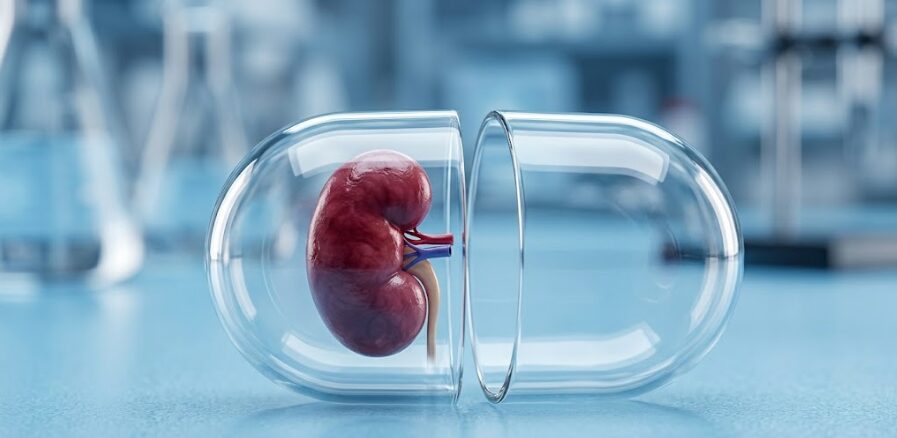
Most people are born with two kidneys, but millions worldwide live active, healthy, and completely normal lives with just one. Whether you were born with a single kidney, had one surgically removed due to illness or injury, or selflessly chose to donate one to someone in need, managing your health requires a shift in focus.
Your remaining solitary organ is entirely capable of taking over the workload of two, but it needs proactive care. In this comprehensive, expert-reviewed guide, we will explore the medical reality of living with one kidney, structural adjustments your body makes, essential dietary tips, and long-term health guidelines to preserve your renal function.
What Does “Living with One Kidney” Mean?
Living with a solitary kidney medically referred to as having a unilateral kidney or undergoing a unilateral nephrectomy means a person relies on a single renal organ to perform 100% of the body’s blood filtration, waste removal, and fluid regulation processes.
Remarkably, a single healthy kidney can filter enough blood to keep the body functioning optimally. Over time, the remaining organ undergoes a natural compensatory process called hypertrophy, where it increases in size and capacity (often growing up to 25% larger) to match the workload of two organs.
Why People Have Only One Kidney?
There are three primary reasons why an individual might navigate life with a single renal organ:
- Congenital Agenesis: Some individuals are born with only one kidney. This condition, called renal agenesis, is often discovered incidentally later in life during a routine ultrasound or scan for an unrelated issue.
- Surgical Removal: A kidney may be surgically removed due to a severe underlying health condition, such as renal cancer, chronic infection, kidney stones that cause irreversible tissue damage, or physical trauma from an accident.
- Living Kidney Donation: Thousands of healthy individuals choose to donate one of their organs to a family member, friend, or stranger experiencing end-stage renal failure.
Essential Long-Term Health Risks to Monitor
While a single organ is highly resilient, it has zero backup. Therefore, individuals must be exceptionally vigilant against the primary drivers of chronic kidney disease (CKD).
1. Hypertension (High Blood Pressure)
The kidneys regulate systemic blood pressure by releasing specific hormones and balancing fluid levels. Because a solitary kidney filters blood at a higher pressure to compensate for the missing organ, it is inherently more susceptible to damage from hypertension. High blood pressure can injure the delicate filtering units (glomeruli), leading to a progressive decline in function.
2. Proteinuria (Protein Leakage)
When a single kidney is overworked or under stress, it may allow large molecules like protein to leak through its filtration barrier and into the urine. Proteinuria is an early clinical marker of renal strain and must be managed closely to prevent scarring.
3. Reduced Glomerular Filtration Rate (GFR)
Your GFR measures how efficiently your organs are clearing waste. While a solitary kidney can maintain a healthy GFR, any sudden injury or toxic exposure can cause your GFR numbers to drop faster than they would in someone with two functioning organs.
Dietary and Lifestyle Guidelines for a Solitary Kidney
You do not need an aggressively restrictive diet to stay healthy with one kidney, but you should adopt clean, sustainable lifestyle habits to reduce the organ’s metabolic burden.
Maintain Healthy Fluid Intake
Staying hydrated helps your remaining organ flush out cellular toxins, urea, and sodium. Drink adequate water throughout the day, but avoid “over-hydration,” which can unnecessarily stress your system. Pay attention to your thirst signals and the color of your urine (aim for a pale, straw-like yellow).
Moderate Your Protein Consumption
While protein is an essential building block for muscle repair, consuming excessive amounts can place a high workload on a solitary organ. Your body breaks down protein into urea, which the kidney must filter out. Prioritize high-quality, lean proteins and discuss your daily protein targets with a healthcare professional.
Drastically Limit NSAID Painkillers
Over-the-counter nonsteroidal anti-inflammatory drugs (NSAIDs) such as ibuprofen, naproxen, and high-dose aspirin are notorious for reducing blood flow to the renal system. For individuals with one kidney, frequent use of these medications can trigger acute kidney injury (AKI). Opt for safer alternatives like acetaminophen (paracetamol) under medical guidance.
Protect Against Physical Trauma
If you have a single kidney, avoiding severe physical impact to your torso is paramount. While casual exercise is highly encouraged, heavy contact sports such as rugby, martial arts, or football carry a minor risk of kidney injury. If you participate in these activities, wearing protective equipment or exploring low-impact alternatives is highly recommended.
Frequently Asked Questions
Can you live a normal life expectancy with only one kidney?
Yes. Decades of medical research tracking kidney donors and individuals born with one kidney show that a solitary organ does not shorten your life expectancy. Provided you manage your blood pressure and stay healthy, your lifespan should be completely unaffected.
Are there any foods you must absolutely avoid?
There are no specific foods that are strictly banned, provided your remaining organ is fully healthy. However, you should heavily restrict your sodium intake to protect your blood pressure and avoid highly processed foods containing artificial phosphorus or potassium additives, which place extra strain on renal filtration.
How often should someone with one kidney see a doctor?
Individuals with a single kidney should schedule a checkup at least once a year. Your physician will perform a simple blood test to check your creatinine and GFR levels, a urine test to look for protein leakage, and a standard blood pressure reading.
Is pregnancy safe if you only have one kidney?
Yes, most women with a single healthy kidney experience completely normal, successful pregnancies. However, because pregnancy naturally increases the demands on the renal system, your obstetrician and a specialist will monitor your blood pressure and kidney function closely throughout the term.
Conclusion
Living with one kidney is a testament to the incredible adaptability of the human body. Your single organ is fully equipped to handle the demands of a long, vibrant, and energetic life. The key to long-term success lies in prevention: shielding your lone filter from physical trauma, keeping your blood pressure under strict control, and avoiding nephrotoxic medications like NSAIDs.


 anaya george
 Dynamic Life Clinics Dubai