Alessandra Conti
Asia-Pacific’s water and wastewater infrastructure is expanding as urbanization, industrial growth, sanitation projects, and climate-related water stress reshape utility planning. Pumps are essential across municipal water supply, wastewater conveyance, treatment plants, industrial effluent systems, stormwater drainage, irrigation support, and recycled water networks. As countries modernize infrastructure, pump efficiency and reliability are becoming central to long-term water management.
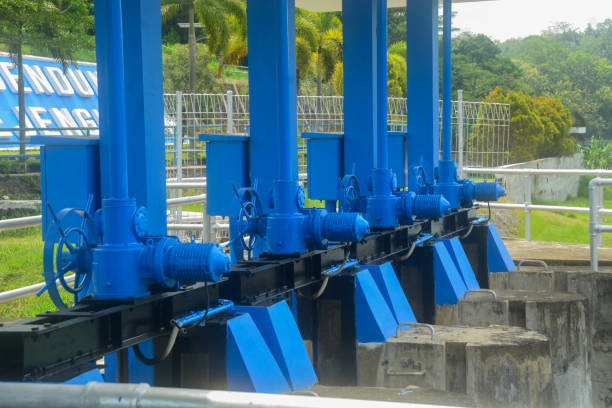
According to MarkNtel Advisors, the Asia-Pacific Water and Wastewater Pump Market was valued at around USD 6.081 billion in 2025 and is projected to grow from USD 6.121 billion in 2026 to USD 8.541 billion by 2032, registering a CAGR of 5.7% during 2026–2032. The 5.7% CAGR reflects urban wastewater investment, municipal network expansion, industrial treatment demand, and adoption of efficient pump technologies.
Urban Growth Is Expanding Pumping Needs
Asia-Pacific’s cities are growing quickly, increasing pressure on water supply, sewage networks, and treatment infrastructure. Dense urban areas require pumps for pressure boosting, sewage lifting, flood drainage, raw water transfer, and wastewater treatment operations. In many locations, aging networks are also being upgraded to reduce leakage, improve service quality, and manage rising demand.
Water infrastructure is directly linked with economic and social development. The World Bank’s water resources work highlights how water systems influence public health, food security, productivity, and climate resilience. For Asia-Pacific, this makes pumping equipment important not only for utilities but also for housing, industrial corridors, agriculture, and urban planning.
Municipal Systems Remain the Largest End User
Municipal water and wastewater accounted for around 65.85% of the Asia-Pacific sector in 2025. This leading share reflects the scale of public water supply systems, sewerage networks, wastewater treatment plants, drainage infrastructure, and pump station modernization. Municipal operators require pumps that can manage large volumes, variable flows, solids, and long operating cycles.
Safe drinking water and sanitation remain core public priorities. The WHO drinking water guidance emphasizes reliable supply, contamination control, and safe water management. Across Asia-Pacific, this supports continued investment in pumps used for potable water transfer, sewage conveyance, sludge handling, treatment processes, and network pressure management.
Centrifugal Pumps Lead Equipment Adoption
Centrifugal pumps led the Asia-Pacific water and wastewater pump category in 2025. Their dominance is supported by high efficiency, reliability, and suitability for large-scale municipal and industrial applications. These pumps are widely used in water treatment plants, wastewater facilities, stormwater systems, irrigation networks, and industrial water handling.
Energy performance is becoming a stronger procurement factor as utilities and industries seek to reduce operating costs. The International Energy Agency’s energy efficiency resources show how efficient equipment can lower energy demand and improve operating performance. For pump users, this supports variable frequency drives, efficient motors, optimized hydraulics, and better system sizing.
Industrial Wastewater Is Growing Faster
Although municipal systems dominate current demand, industrial water and wastewater is expected to be the fastest-growing end-user category, with a projected CAGR of around 6.01% during 2026–2032. Demand is supported by manufacturing, chemicals, food processing, mining, energy, electronics, and industrial parks that require process water and effluent treatment.
Regional development finance also supports infrastructure expansion. The Asian Development Bank’s water sector work is relevant to urban water supply, sanitation, flood resilience, and service improvement. As countries invest in industrial and municipal wastewater systems, demand is likely to rise for durable pumps suited to continuous operation and challenging fluid conditions.
Wastewater Treatment and Reuse Add Momentum
Wastewater treatment is becoming more important across Asia-Pacific as governments aim to reduce pollution, protect waterways, and improve sanitation access. Pumps are needed throughout treatment systems, including influent lifting, sludge transfer, effluent discharge, recycled water distribution, and decentralized treatment units. This creates demand for corrosion-resistant, solids-handling, and automation-ready pumps.
UN-Water’s wastewater resources explain how wastewater management supports water quality, public health, and sustainable development. For Asia-Pacific, improved wastewater systems can support cleaner rivers, better urban living conditions, and greater resilience in water-stressed areas.
Outlook for Asia-Pacific’s Pumping Landscape
Asia-Pacific’s water and wastewater pump demand is expected to expand steadily, supported by municipal investment, industrial water use, wastewater treatment growth, and infrastructure renewal. China is expected to present strong growth prospects due to its large municipal systems, industrial base, and ongoing wastewater infrastructure upgrades.
The sector’s next phase will likely favor pumps that combine efficiency, durability, digital monitoring, and lower lifecycle cost. As Asia-Pacific strengthens water supply, sanitation, and treatment capacity, pumps will remain essential for moving, treating, draining, and protecting water across municipal, industrial, and climate-resilient infrastructure systems.


 Akshay Parjapati