kamal Raj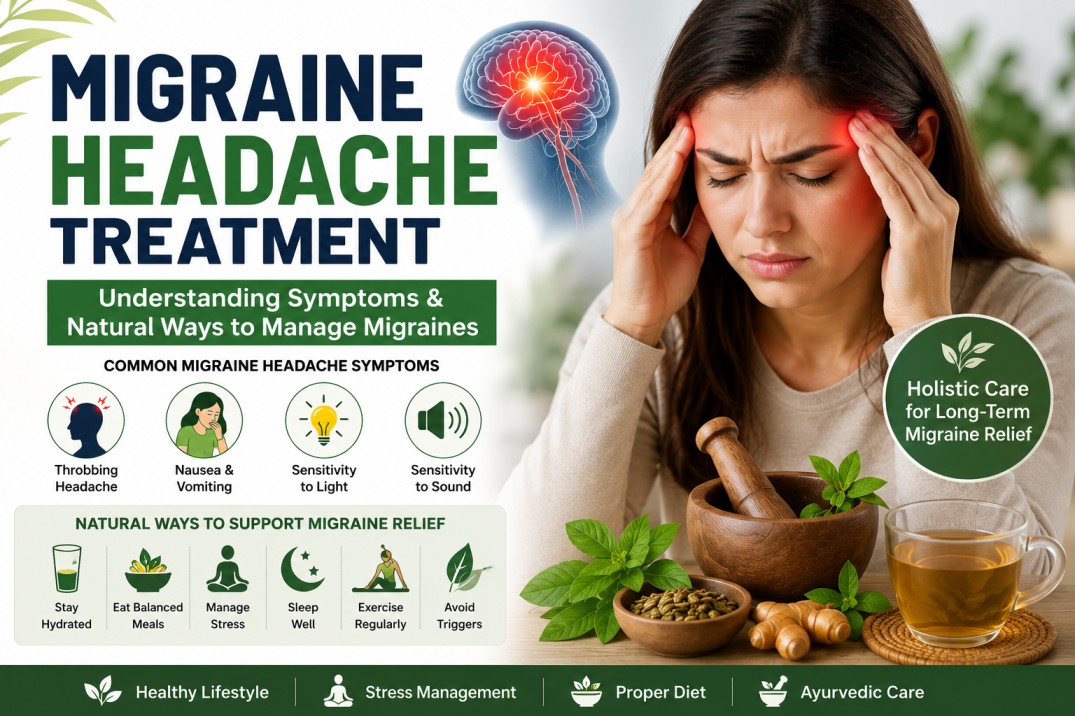
Migraines are more than just severe headaches. They are a neurological condition that can interfere with work, sleep, relationships, and daily activities. Many people experience recurring migraine attacks without fully understanding the triggers or available treatment options. Learning about migraine headache symptoms and exploring appropriate migraine headache treatment options can help improve long-term quality of life.
What Is a Migraine?
A migraine is a recurring headache disorder that often causes throbbing or pulsating pain, usually on one side of the head. The pain may last anywhere from a few hours to several days and is often accompanied by additional symptoms that make normal daily activities difficult.
Unlike an ordinary headache, migraines involve changes in the nervous system and can significantly affect a person’s physical and emotional well-being.
Common Migraine Headache Symptoms
Migraine symptoms vary from person to person, but the most common signs include:
- Severe throbbing headache
- One-sided head pain
- Nausea and vomiting
- Sensitivity to light
- Sensitivity to sound
- Blurred vision
- Dizziness
- Fatigue
- Difficulty concentrating
Some people also experience an aura before the headache begins. This may include flashing lights, temporary vision changes, tingling sensations, or difficulty speaking.
What Causes Migraine?
There is no single cause of migraine. Instead, several factors may trigger an attack, including:
- Emotional stress
- Poor sleep habits
- Hormonal changes
- Skipping meals
- Dehydration
- Excess caffeine
- Bright lights
- Loud noises
- Strong smells
- Weather changes
- Certain foods
Keeping a migraine diary can help identify personal triggers and reduce future attacks.
Migraine Headache Treatment Options
The right migraine headache treatment depends on the severity and frequency of symptoms. Many people use medications during an attack, while others focus on long-term prevention through healthy lifestyle habits.
Treatment options may include:
- Medical consultation and evaluation
- Lifestyle modifications
- Balanced nutrition
- Stress management
- Regular sleep routine
- Hydration
- Physical activity
- Individualized treatment plans based on symptoms
Early diagnosis and proper management often help reduce the frequency and severity of migraine attacks.
Natural Ways to Support Migraine Relief
Simple lifestyle changes may help support migraine management.
Stay Hydrated
Drink enough water throughout the day to reduce dehydration-related headaches.
Eat Regular Meals
Avoid skipping meals, as low blood sugar may trigger migraines.
Get Quality Sleep
Maintain a consistent sleep schedule with 7–8 hours of rest every night.
Manage Stress
Meditation, yoga, breathing exercises, and relaxation techniques may help lower stress levels.
Limit Screen Time
Take regular breaks from digital devices to reduce eye strain.
Exercise Regularly
Moderate physical activity supports overall health and may help reduce migraine frequency.
Ayurvedic Perspective on Migraine
According to Ayurveda, migraine is associated with an imbalance of Vata and Pitta Dosha. Rather than focusing only on pain relief, Ayurvedic care aims to restore overall balance through personalized diet, lifestyle guidance, stress management, and therapies recommended by qualified practitioners.
Some Ayurvedic wellness approaches may include:
- Personalized dietary recommendations
- Lifestyle modifications
- Yoga and meditation
- Breathing exercises
- Panchakarma therapies, when appropriate
- Herbal support under professional supervision
When Should You See a Doctor?
Seek medical attention if:
- Migraine attacks become more frequent.
- Headaches last longer than 72 hours.
- Vision changes occur.
- Weakness or numbness develops.
- Speech becomes difficult.
- Pain suddenly becomes extremely severe.
Prompt evaluation helps rule out other medical conditions and ensures appropriate treatment.
Conclusion
Understanding migraine headache symptoms is the first step toward better management. While medications may provide short-term relief, combining healthy lifestyle habits with professional medical guidance can improve long-term outcomes. Managing stress, staying hydrated, maintaining regular sleep, and identifying personal triggers all play an important role in reducing migraine attacks.
If migraines are affecting your daily life, consult a qualified healthcare professional to develop a personalized migraine headache treatment plan that best suits your individual needs.


 Derma One Aesthetic Clinic
 Ahmad hassan